



Many teams run tests before release. Fewer teams can clearly explain what the results mean.
Release confidence is the ability to make a release decision with enough evidence to understand what is protected, what is still risky, and what tradeoffs the team is accepting.
Key takeaways
- Release confidence is produced by evidence, not by the number of test cases executed.
- The operating model should connect critical flows, regression scope, automation signal, defects, and known gaps.
- Leaders need a repeatable go/no-go view that separates tested confidence from remaining risk.
What release confidence means
Release confidence does not mean the product has no defects. It means the team has tested the right risks with the right depth and can explain the remaining uncertainty.
The question changes from “Did QA finish testing?” to “Do we have enough evidence to release this change responsibly?”
That shift matters because test completion can hide risk. A team can execute many low-value cases while leaving payments, permissions, integrations, performance, accessibility, or AI behavior under-tested.
Core components
A release confidence operating model needs five components.
Critical-flow map
List the product journeys that would create the highest user, revenue, operational, legal, or trust impact if they failed. These flows become the backbone of regression planning and release reporting.
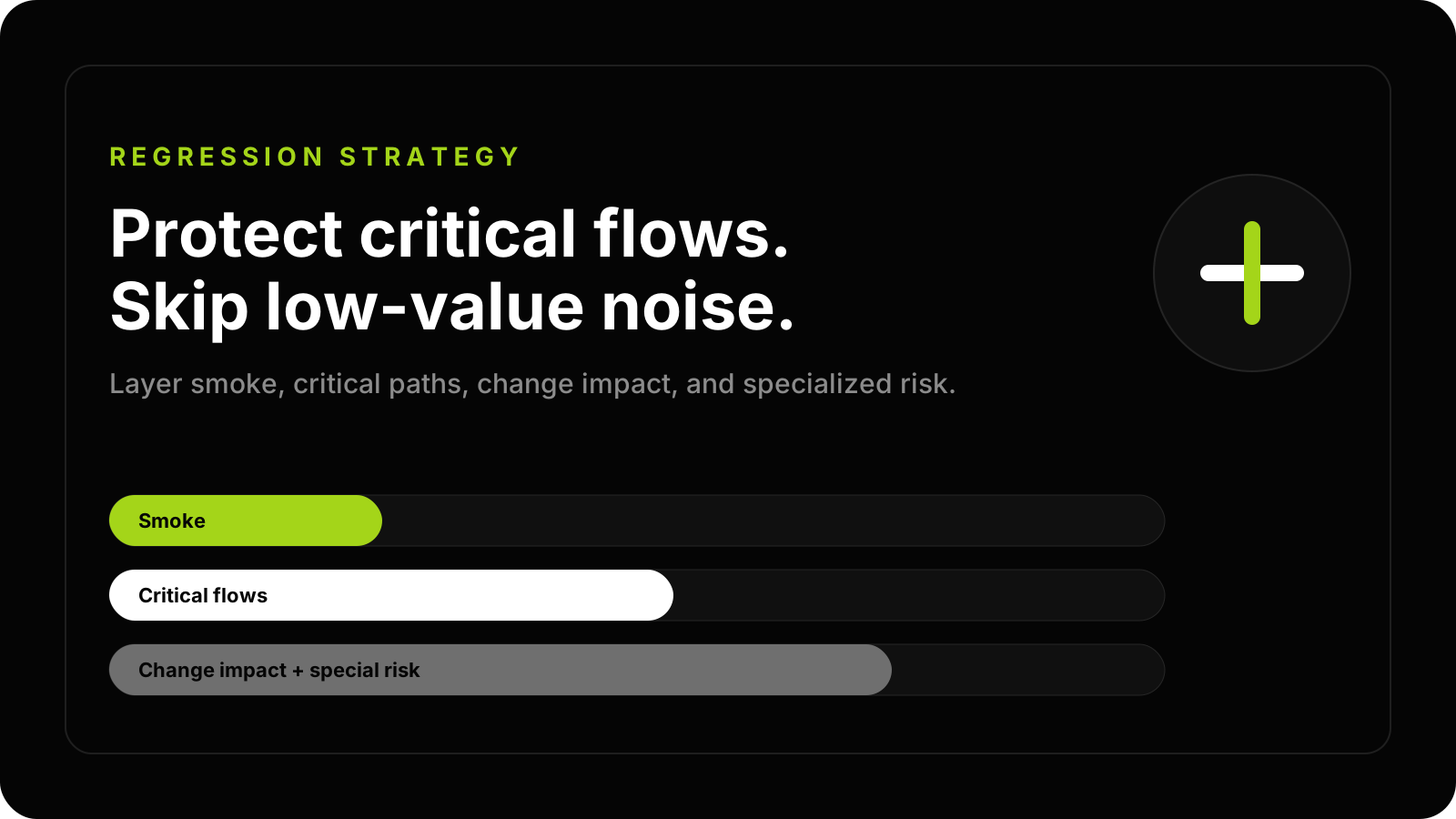
Risk-based regression scope
Regression should respond to change. A billing change, permissions change, API contract change, or AI prompt change creates different testing needs. The model should define how scope expands or contracts based on risk.
Automation signal
Automation is useful when the team trusts it. Track what automated checks protect, what they do not protect, and which failures indicate product risk versus test-system noise.
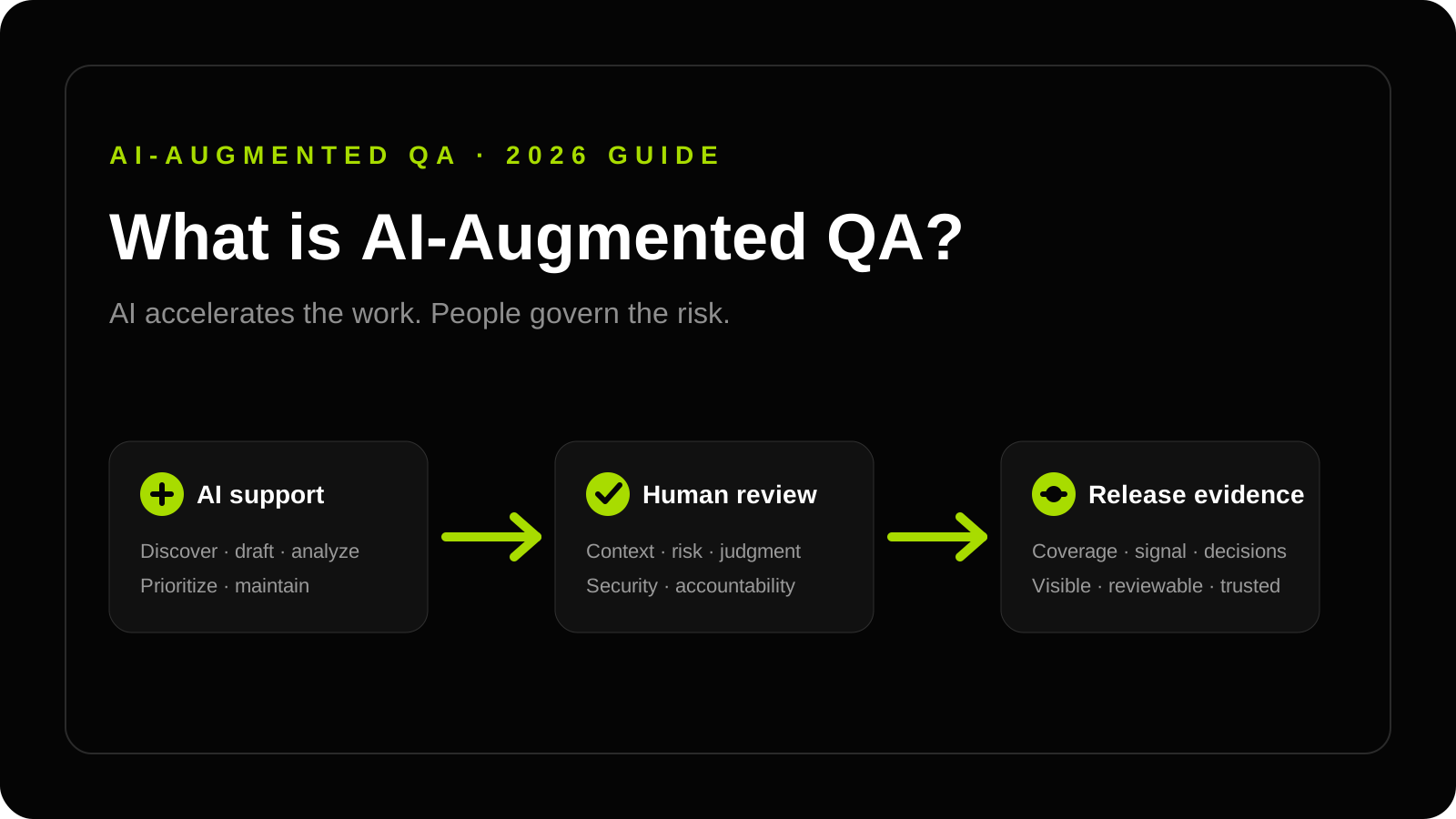
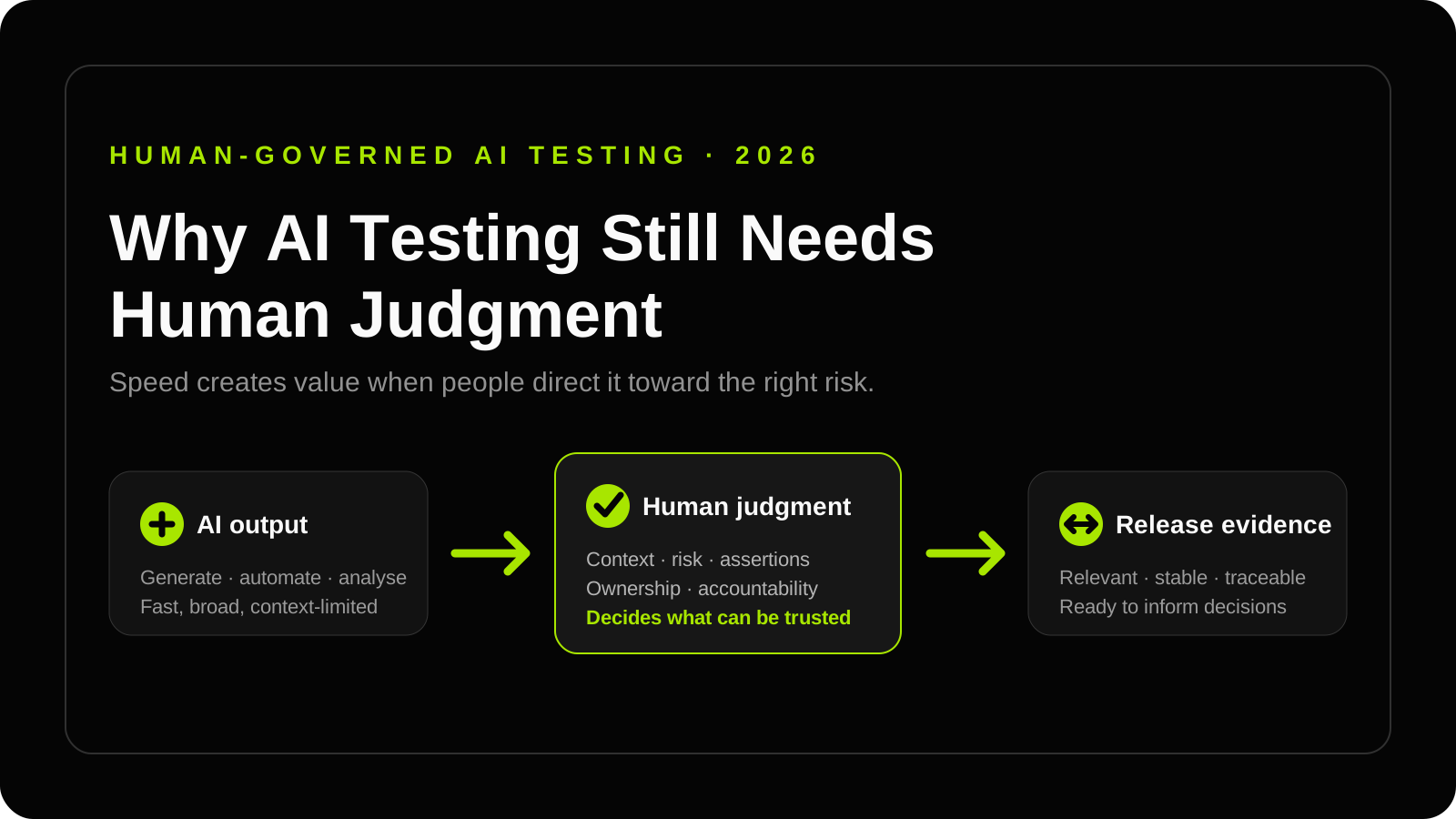
AI-generated automation must meet the same standards before its results influence CI/CD: meaningful test oracles and assertions, deterministic test data, stable dependencies, and clear ownership. Human judgment in AI testing connects passing results to the product risks they actually protect. Review depth should match the consequence of an incorrect result, while accountable release decision-makers interpret the remaining risk.
For many teams, Test Automation becomes valuable only after it is connected to release decisions.
Human validation
Manual and exploratory testing remain important for usability, ambiguity, AI behavior, accessibility, new workflows, and high-risk changes. Human validation should be visible in release evidence, not treated as informal activity.
Decision-ready reporting
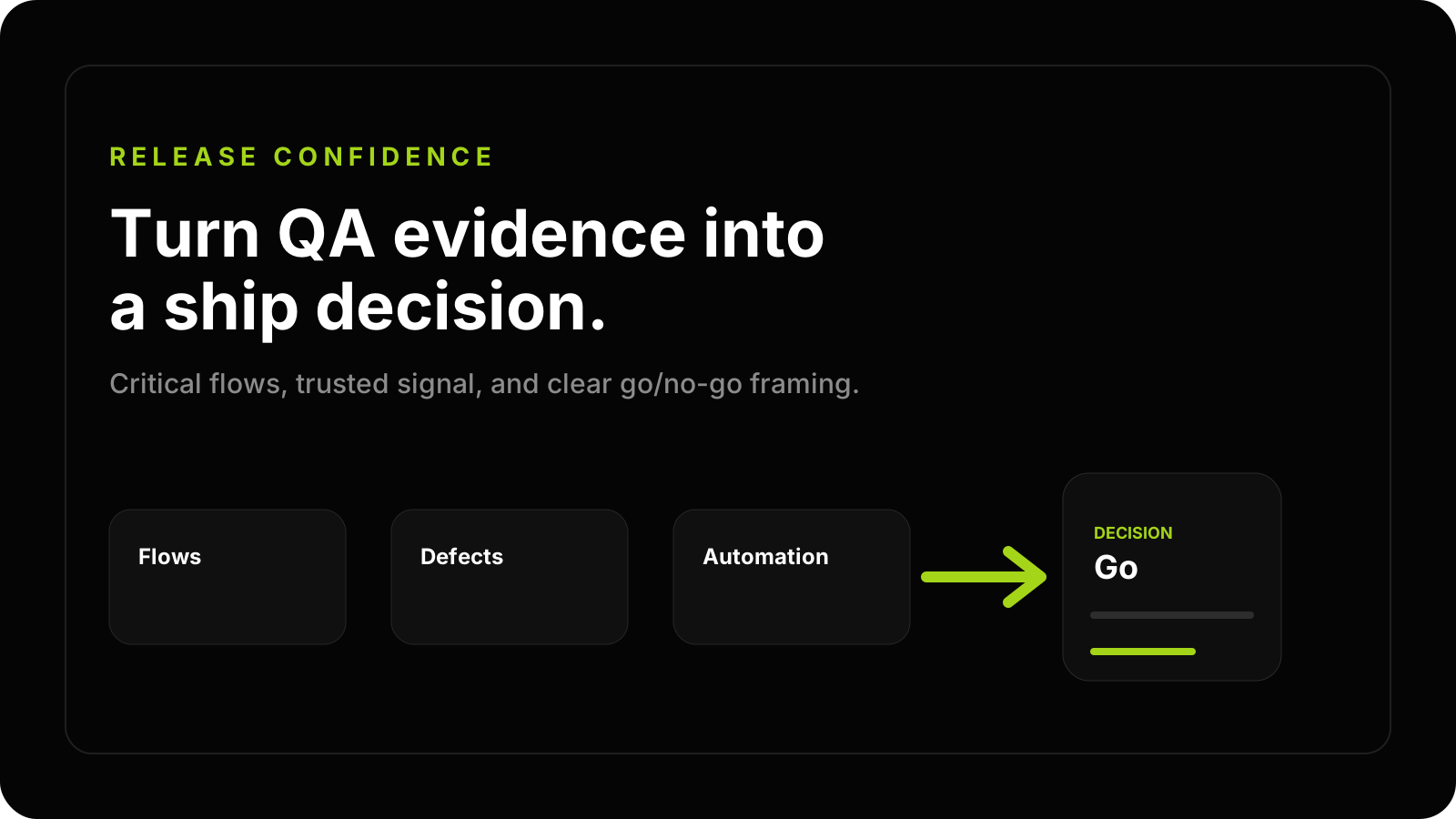
The output should help leaders decide. A useful report separates blockers, non-blocking defects, untested areas, test environment issues, known risks, and recommended next actions.
Go/no-go evidence
Before release, the team should be able to answer:
- Which critical flows were tested?
- Which risks were not tested deeply enough?
- Which defects remain open, and why are they acceptable or blocking?
- Did automation pass in a trustworthy environment?
- Did recent changes affect integrations, data, permissions, performance, or accessibility?
- What is the recommendation: go, go with known risk, or no-go?
This is the heart of an effective release-confidence operating model. It turns QA from a task list into a decision-support function.
How to implement the model
Start small. Choose one release, map its top risks, define the regression scope, and create a simple readiness report. After the release, compare the report against escaped defects, support tickets, engineering feedback, and stakeholder confidence.
If your current model is unclear, a 14-Day AI-Augmented QA Pilot can identify the highest-risk flows and define the first version of release evidence. If your team wants faster coverage analysis and test design, AI-Augmented QA can support the model without replacing human judgment.
Release confidence is not a document. It is a repeatable operating habit: identify risk, test what matters, expose what remains unknown, and make better release decisions.
Common questions
01 Is release confidence the same as test coverage?
02 Who owns release confidence?
03 What should a release confidence report include?