

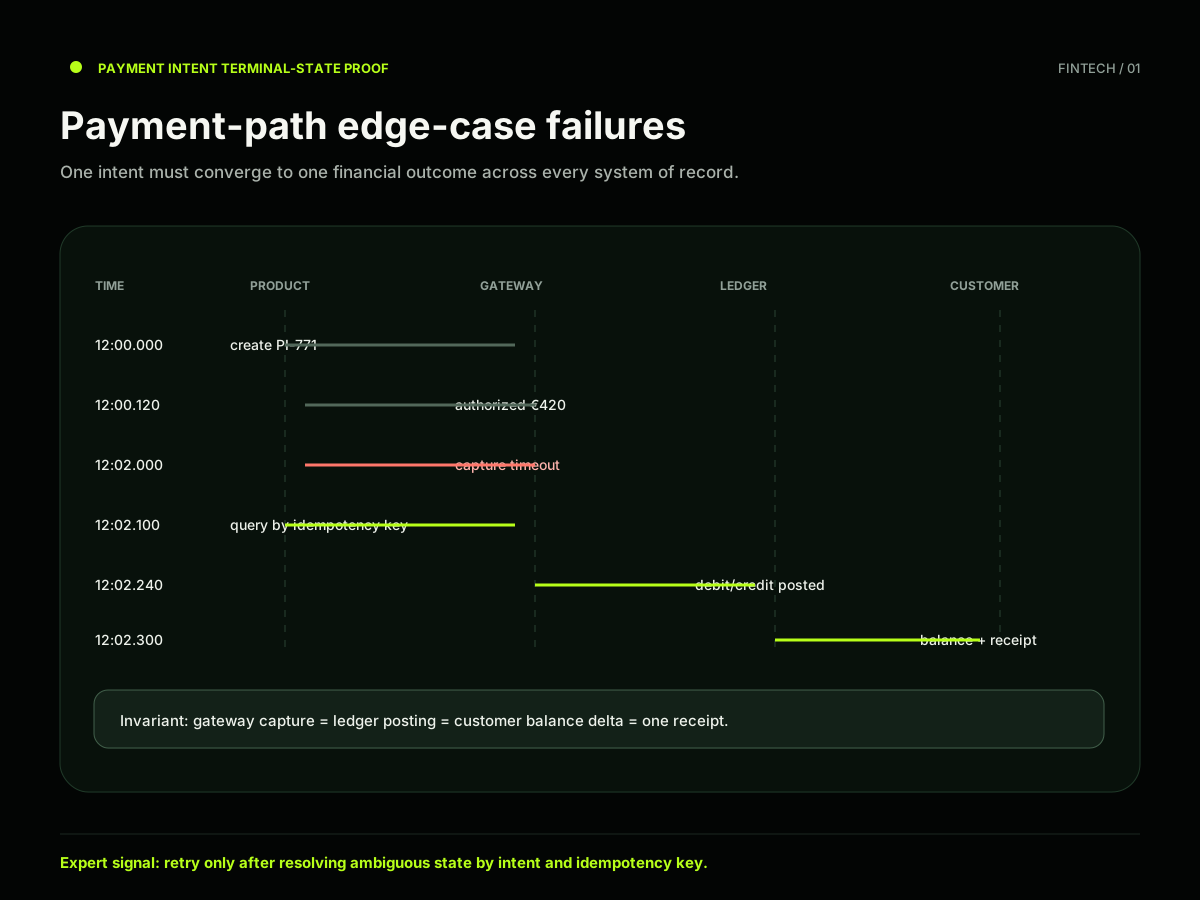
Payment-path edge-case failures
Auth, capture, retry, timeout, and reversal paths behave differently across gateways, creating silent failures and inconsistent transaction outcomes.
Fintech teams do not lose by shipping slowly. They lose by shipping uncertainty into payment, ledger, auth, and compliance-critical paths. AQA Masters installs an AI-augmented, human-governed QA system that gives leadership defendable ship or hold decisions before customer trust and regulatory confidence take the hit.
Where fintech trust and margin quietly leak
In fintech, defects are not cosmetic. They create duplicate charges, failed payouts, broken reconciliations, blocked users, and audit pressure. One weak release can trigger support spikes, trust loss, and expensive remediation loops.
Talk About Your Fintech StackAuth, capture, retry, timeout, and reversal paths behave differently across gateways, creating silent failures and inconsistent transaction outcomes.
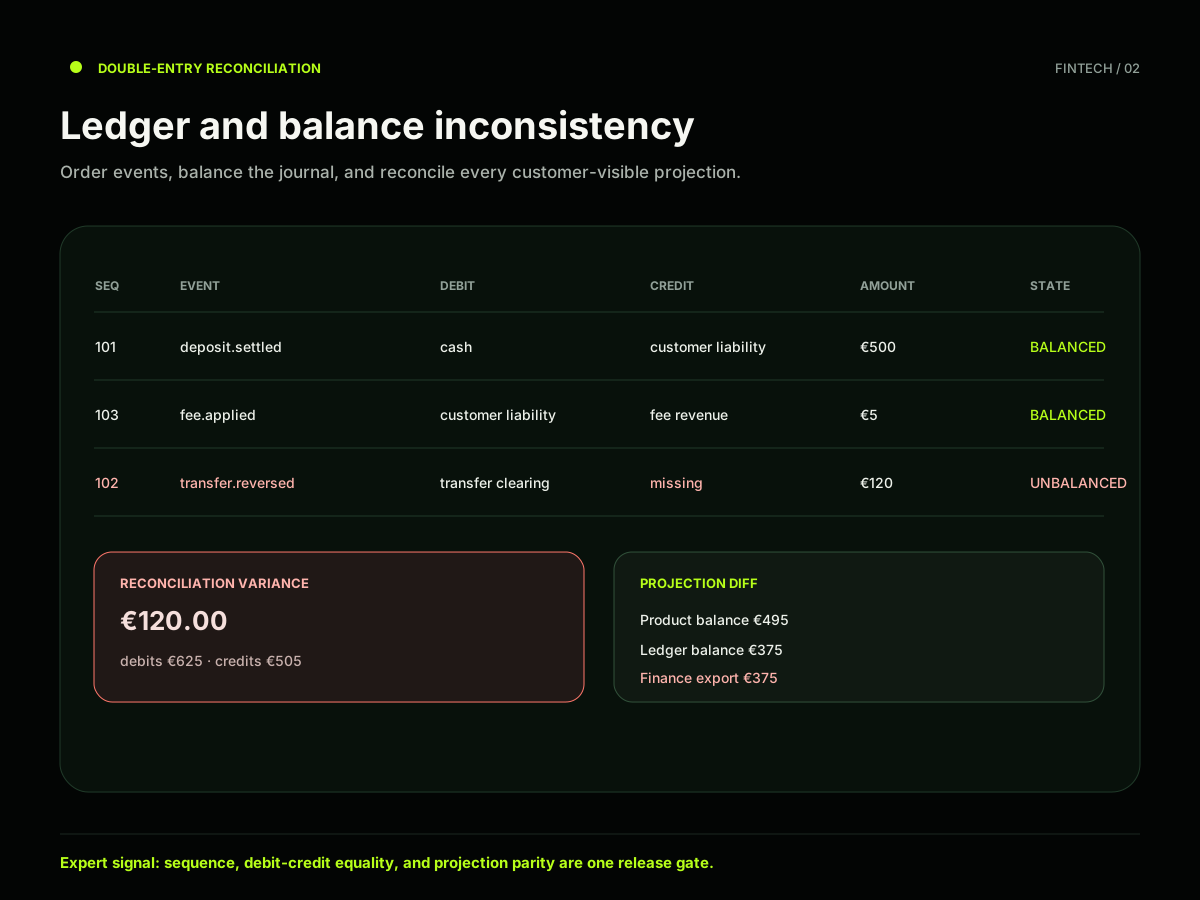
Race conditions, event-order drift, and idempotency gaps can desync balances between product views, ledgers, and downstream finance systems.
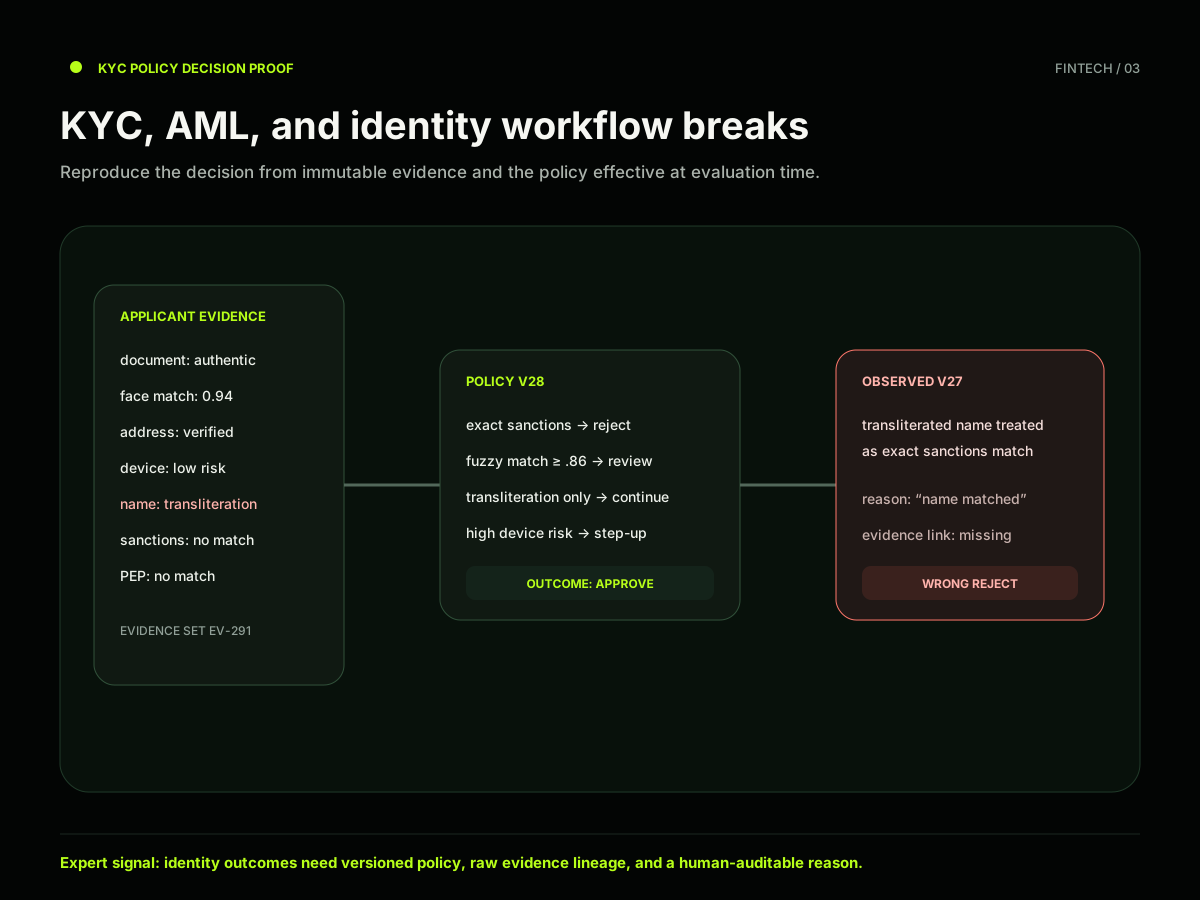
Verification edge paths can block legitimate users while still allowing risky behavior to slip through policy controls.
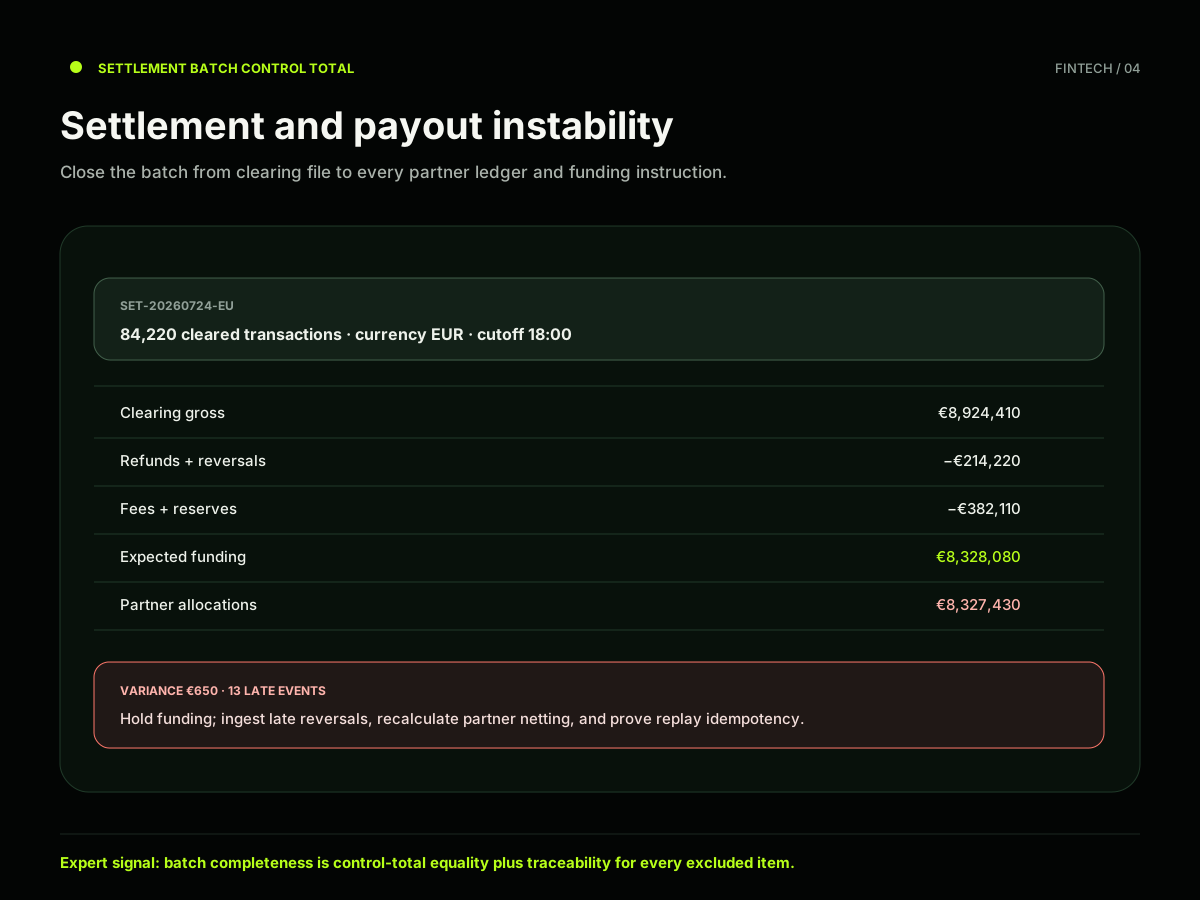
Delayed settlements and payout mismatch erode partner confidence, increase operational burden, and trigger avoidable escalations.
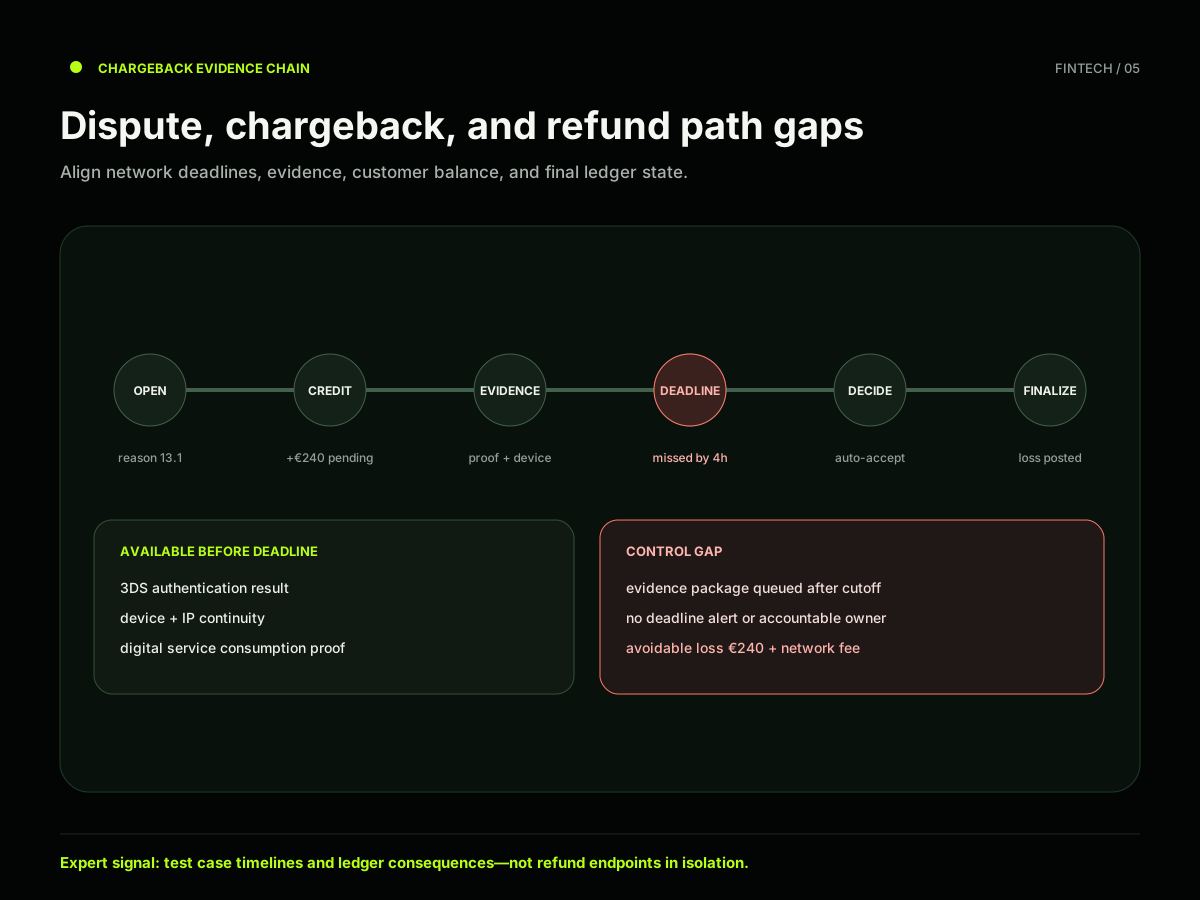
Dispute evidence flows and refund logic often fail on edge conditions, increasing loss exposure and compliance complexity.
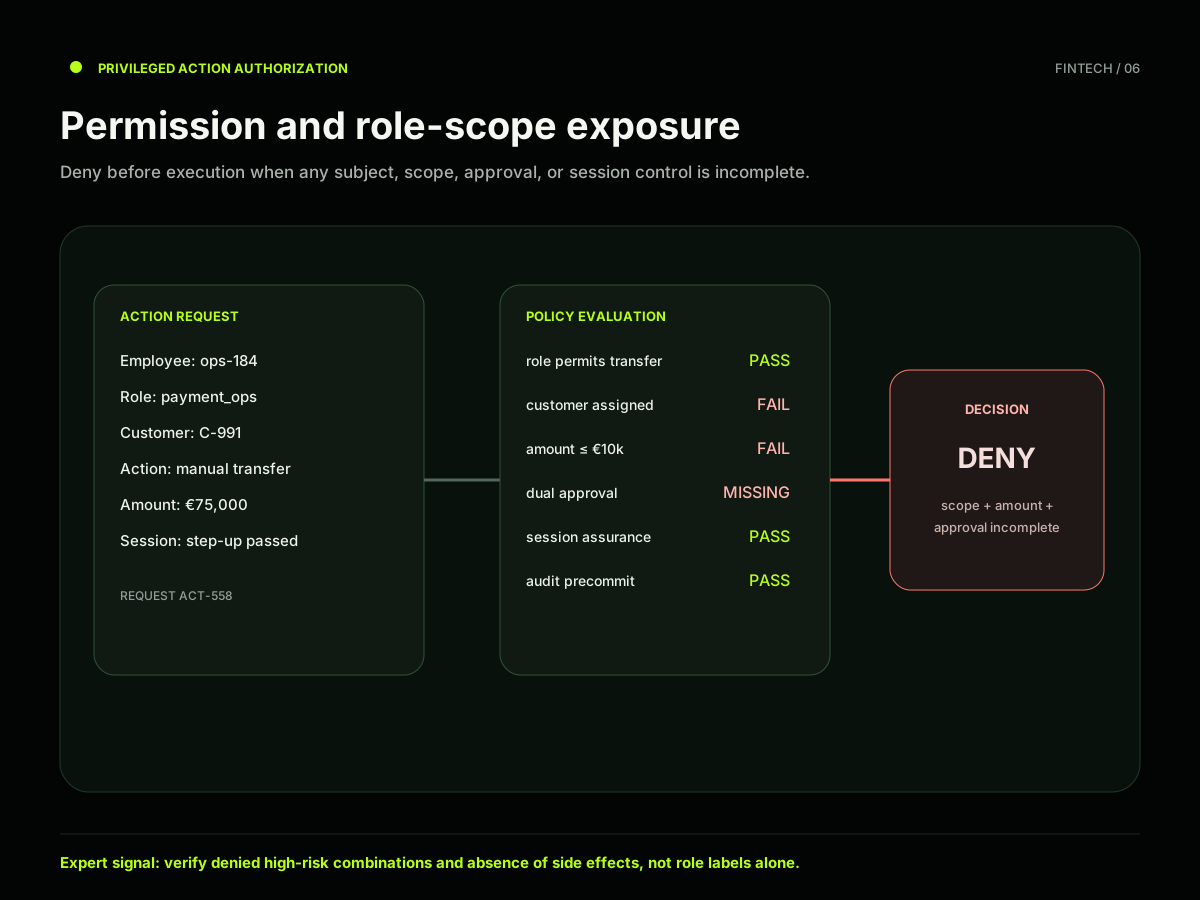
Access-control drift across internal tools, APIs, and customer surfaces creates high-impact data and action authorization risk.
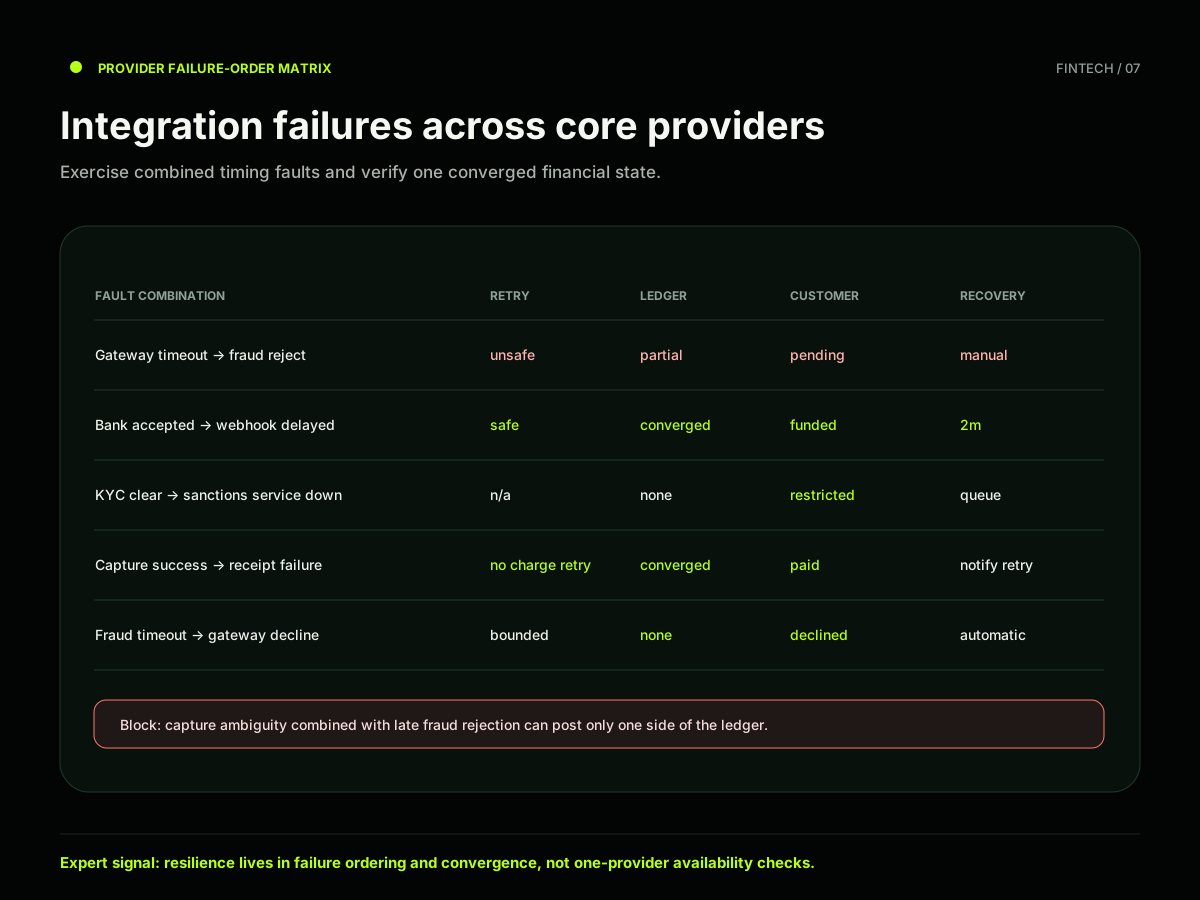
Payment, fraud, banking, KYC, messaging, and analytics dependencies fail in combinations that staging environments never represent.
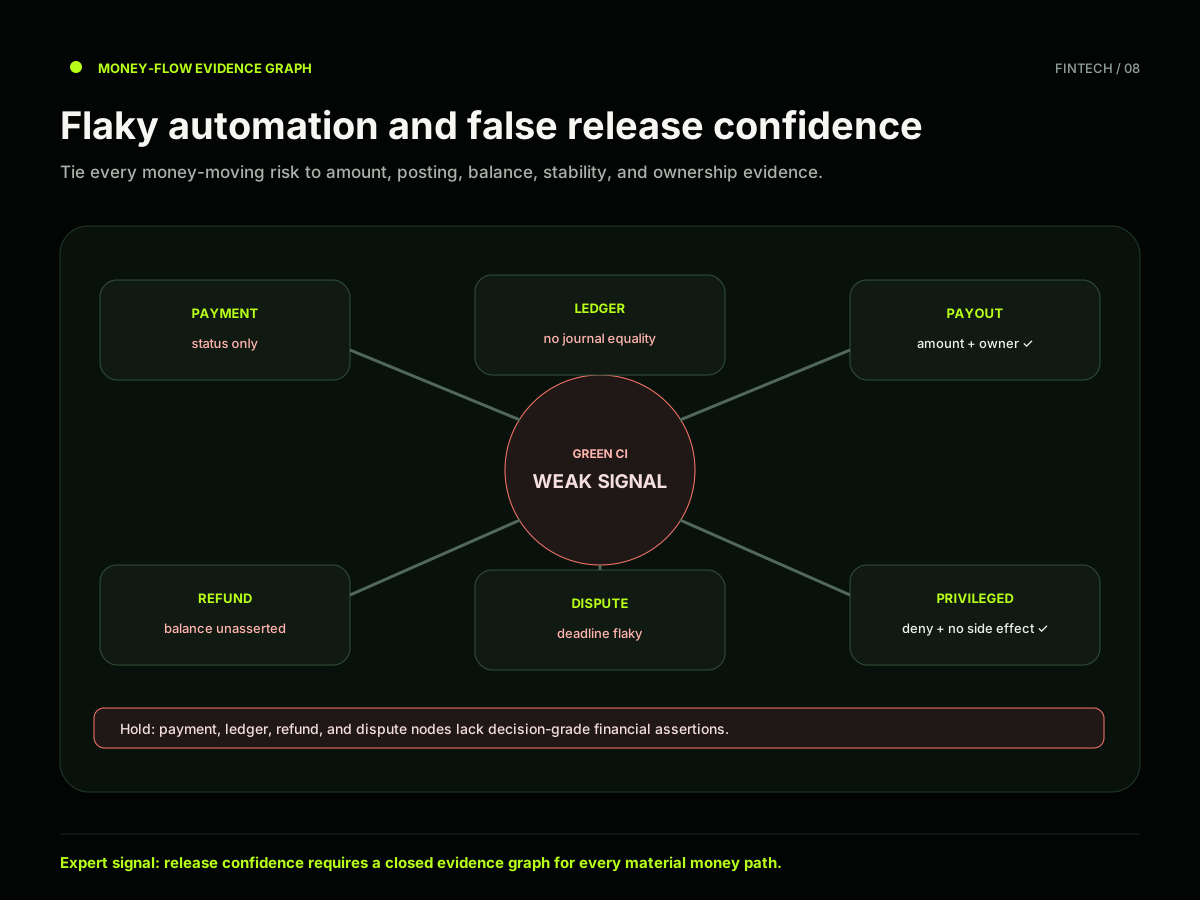
Green pipelines hide real money-flow risk when test assertions are shallow and critical paths are brittle or missing.
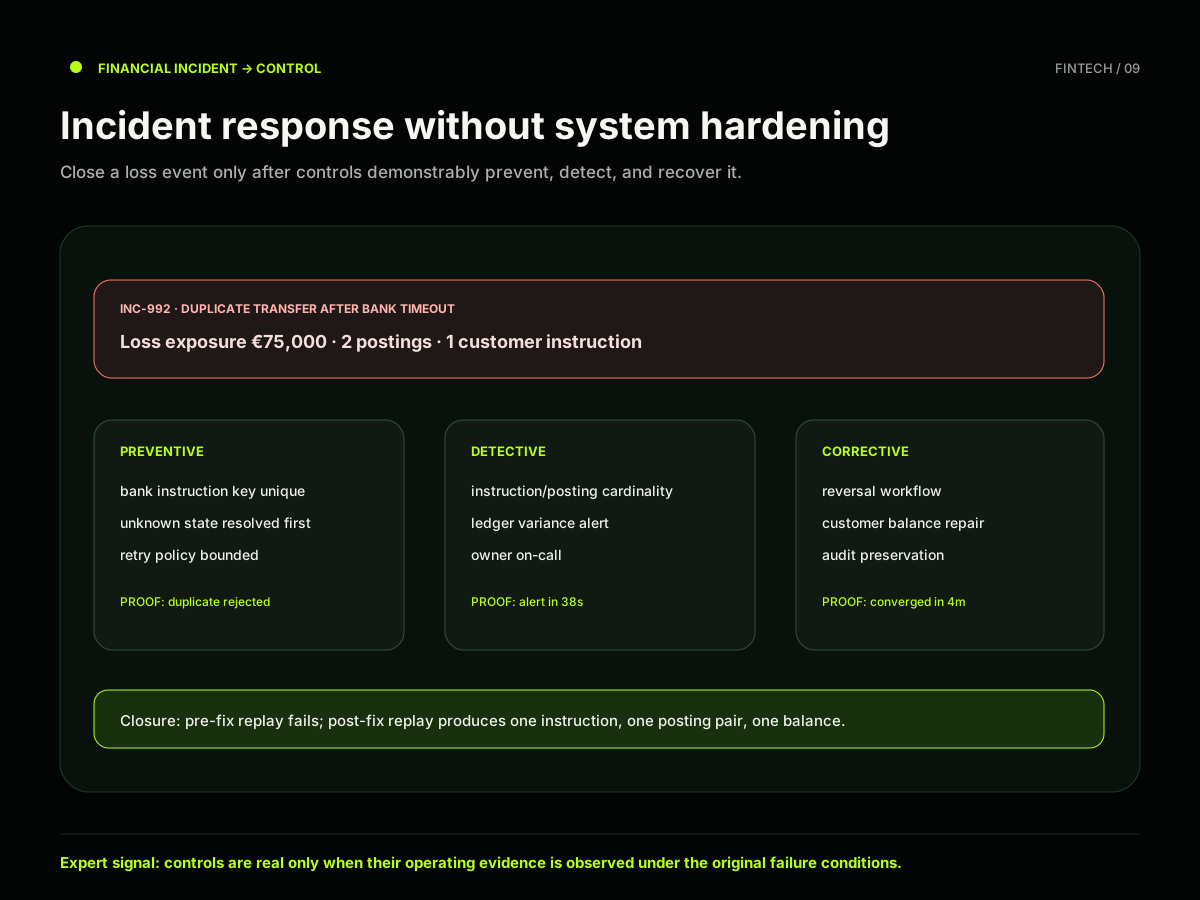
Teams resolve fires quickly but repeat failure classes because release policy and risk guardrails are never operationalized.
Feature-level QA in isolated product lanes
Fintech incidents happen at handoffs between payments, ledgering, identity, risk, and operations systems.
Journey-first cross-system validation tied to payment integrity, reconciliation confidence, and authorization safety.
Coverage measured by script count
Large suites look healthy while high-impact money and compliance edge paths remain weak under release pressure.
Coverage measured by decision value: can leadership defend ship, hold, or rollback with evidence.
Tool-first automation upgrades
New tools increase noise when thresholds, ownership, and governance logic are not tied to regulated risk.
AI-augmented execution with human-governed release criteria mapped to trust, loss prevention, and compliance reality.
Post-incident patching as the main strategy
Quick fixes reduce immediate pain, but recurring money-flow incidents compound trust and audit pressure over time.
Continuous hardening that converts incidents into guardrails, stronger tests, and reusable release evidence.
Architect-led QA
A senior QA Architect shapes the system, priorities, and release signal so quality is not reduced to disconnected tickets or scripts.
AI-Augmented QA
AI helps surface scenarios, risks, and coverage ideas faster while QA experts decide what is useful, testable, and worth protecting.
Human-governed AI
AI creates leverage, but people own judgment. Every output is filtered through product context, risk, and release impact.
Critical-flow protection
Coverage starts where failure hurts most: the user journeys, integrations, data paths, and AI behaviors that decide whether a release is safe.
Release confidence
The goal is not more QA activity. The goal is clearer signal about what can ship, what needs review, and what should wait.
No vendor lock-in
Automation, maps, scenarios, and quality assets stay client-owned so your team keeps the operating system after the engagement.
We prioritize payment, ledger, identity, settlement, and dispute journeys where defects create direct financial and trust impact.
Ship confidence reflects financial, operational, and user-risk impact, not just surface-level pass rates.
AI expands scenario generation and risk discovery quickly while senior QA controls assertions and release thresholds.
Payment, fraud, banking, KYC, and notification integrations are stress-tested for failure behavior, not just happy-path connectivity.
Permission, identity, and compliance-sensitive paths are validated against edge behavior before launch decisions are made.
Your team keeps the risk maps, guardrails, release criteria, and operating playbooks so confidence compounds each cycle.
A common fintech pattern: fast roadmap execution, repeated payment or ledger incidents, and leadership uncertainty before every high-risk release.
Releases were frequent, but confidence was shallow. Money-flow edge cases, permission drift, and provider failures surfaced late and triggered avoidable escalations.
AQA Masters mapped risk-critical journeys, hardened cross-system failure paths, and installed human-governed release criteria tied to financial and trust impact.
Leadership got a client-owned release scorecard: fewer high-severity incidents, faster go or hold calls, and stronger confidence across product, risk, and operations.
Most vendors optimize activity. We install a fintech QA operating system your team can run: AI-augmented throughput, architect-led governance, and client-owned release confidence.
Coverage priorities align with payment integrity, reconciliation confidence, identity controls, and operational stability.
We start with your current systems, providers, CI, and tests so value appears quickly without forcing a full reset.
High-impact edge cases are validated across services and dependencies where real fintech incidents actually emerge.
AI broadens coverage fast while senior QA architects own relevance, assertions, and policy-quality release decisions.
Your team keeps the risk models, test assets, and release framework so momentum compounds after the engagement.
We surface top money-flow and trust risks quickly and deliver an initial release-evidence view your team can use immediately.
Straight answers on speed, ownership, regulated risk, integration fit, and how confidence is built before sensitive releases.
More people can increase output, but fintech incidents usually come from cross-system edge paths and weak release governance. We improve decision quality, not just test volume.
No. Better risk signal speeds releases because teams spend less time debating uncertainty and less time firefighting avoidable incidents after launch.
Yes. We start within your current stack and integrations. We do not force tool changes unless the ROI is clear and the migration risk is justified.
Yes. We explicitly validate ledger, settlement, reconciliation, and dispute paths so release confidence reflects real fintech operations.
Yes. We stabilize the highest-risk money flows first, tighten assertions, and improve signal quality incrementally. Most teams do not need a complete rewrite.
You get a risk-critical journey map, your largest confidence gaps across money and identity flows, and a first release-risk view for immediate ship decisions.
Yes. Your team keeps the assets, decision criteria, and playbooks. We build client-owned systems so confidence keeps compounding after we step out.