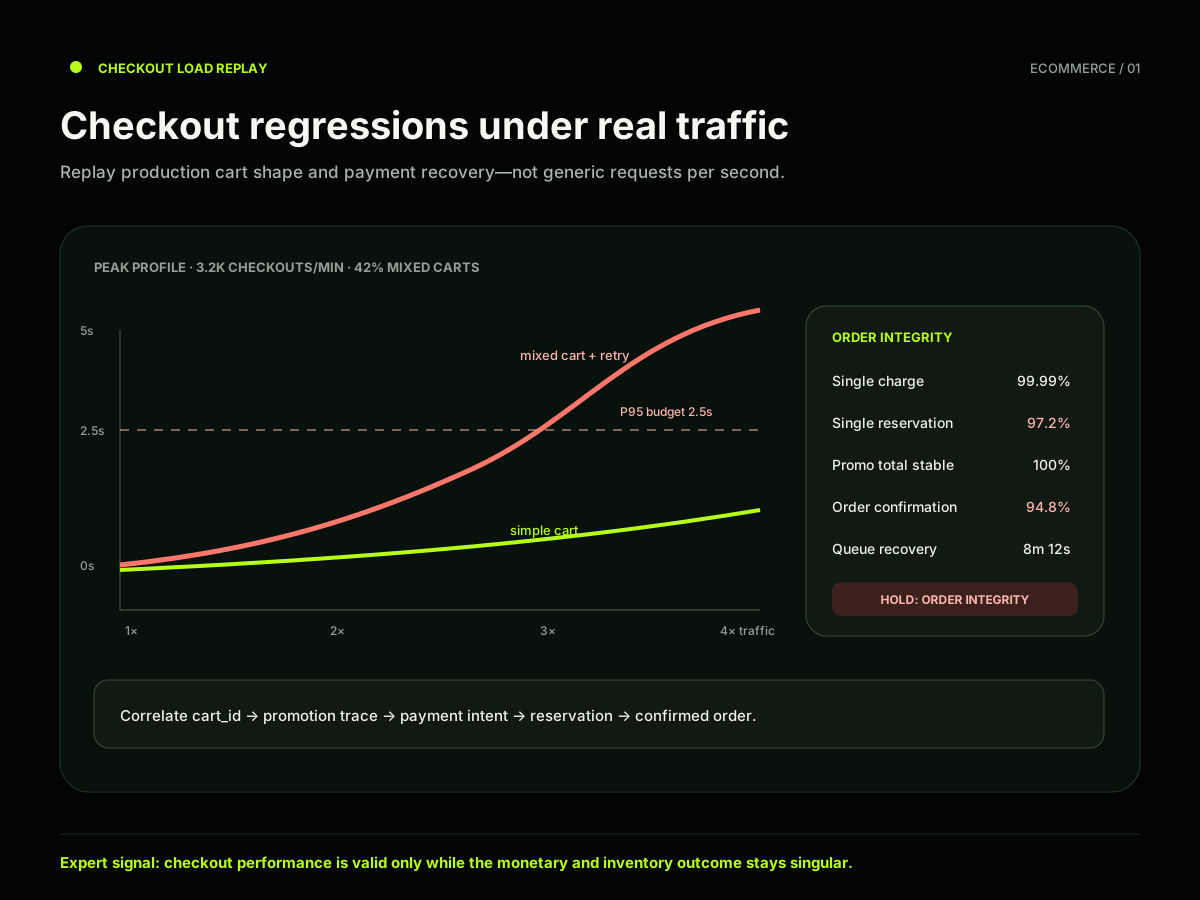
From launch anxiety to revenue-safe release control
A common ecommerce pattern: heavy campaign spend, high release cadence, and recurring checkout incidents. Then the team installs a governed QA system tied to revenue risk.


What clients valueAI-Augmented QA · Human QA judgment · Release confidence
View profile (opens in a new tab)
Top 1 Software Testing CompaniesBucharest, Romania
View profile (opens in a new tab)
Top 1 Software Testing CompaniesBucharest, Romania
View profile (opens in a new tab)
Published category scores5.00 across 4 categoriesBudget · Quality · Schedule · Communication
View profile (opens in a new tab)Ecommerce teams do not lose money from slow shipping. They lose money from shipping without confidence. AQA Masters installs an AI-augmented, human-governed QA system that protects revenue-critical flows so releases can move fast without conversion surprises.
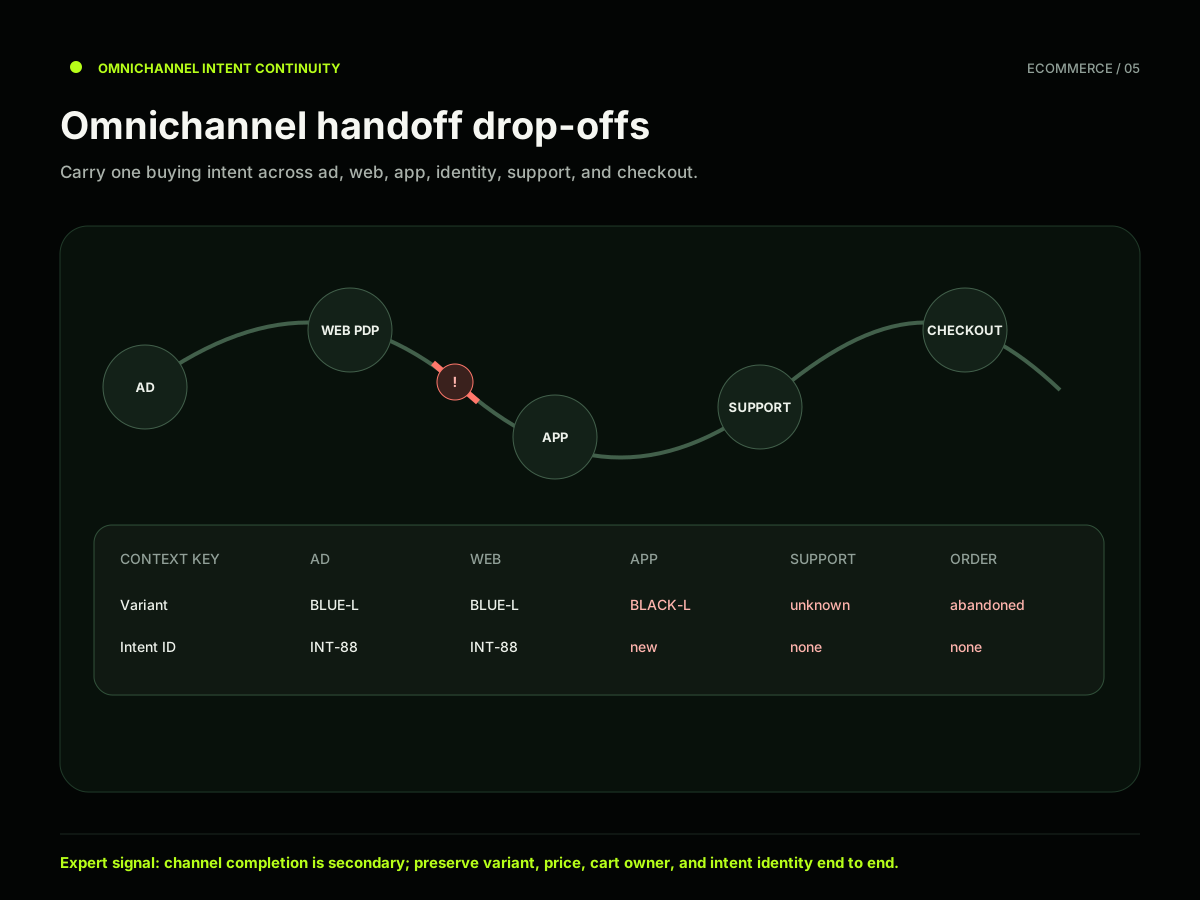
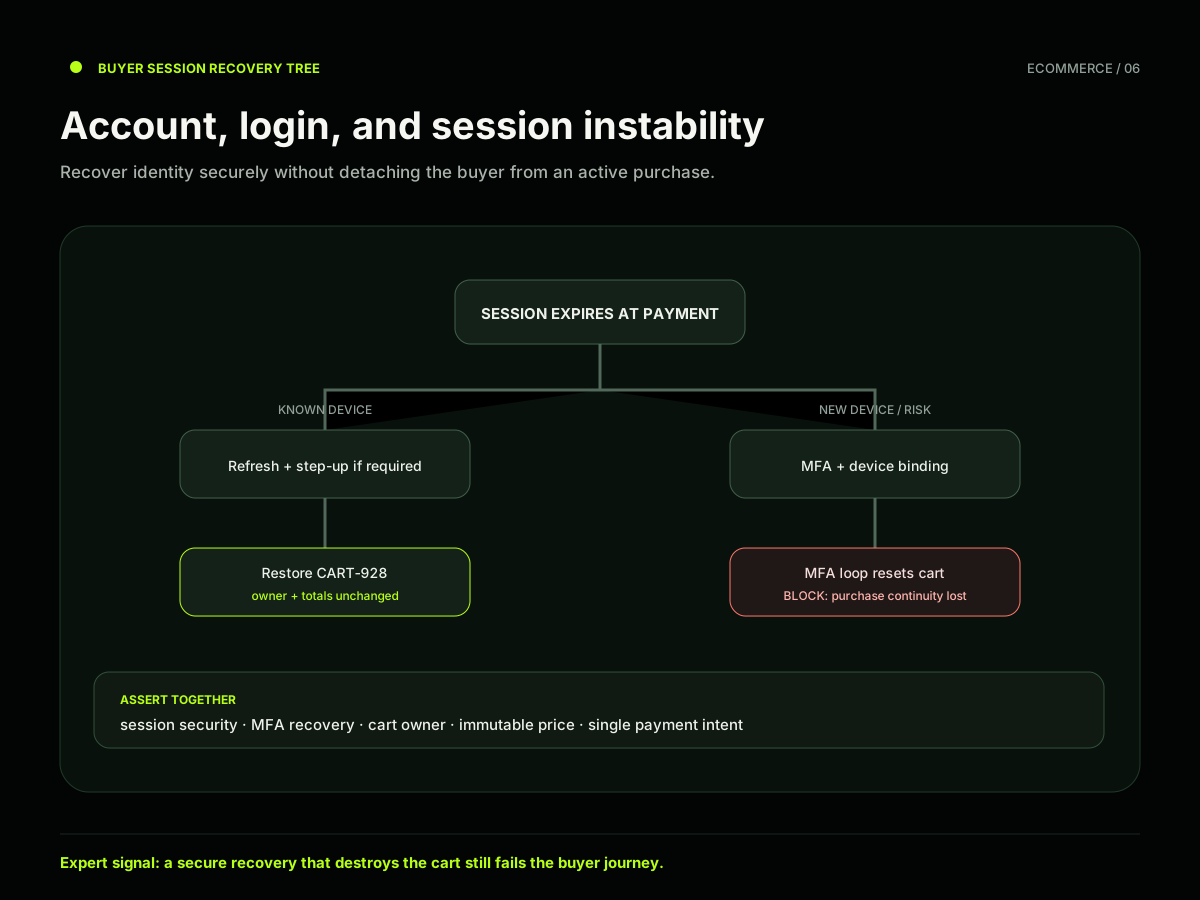
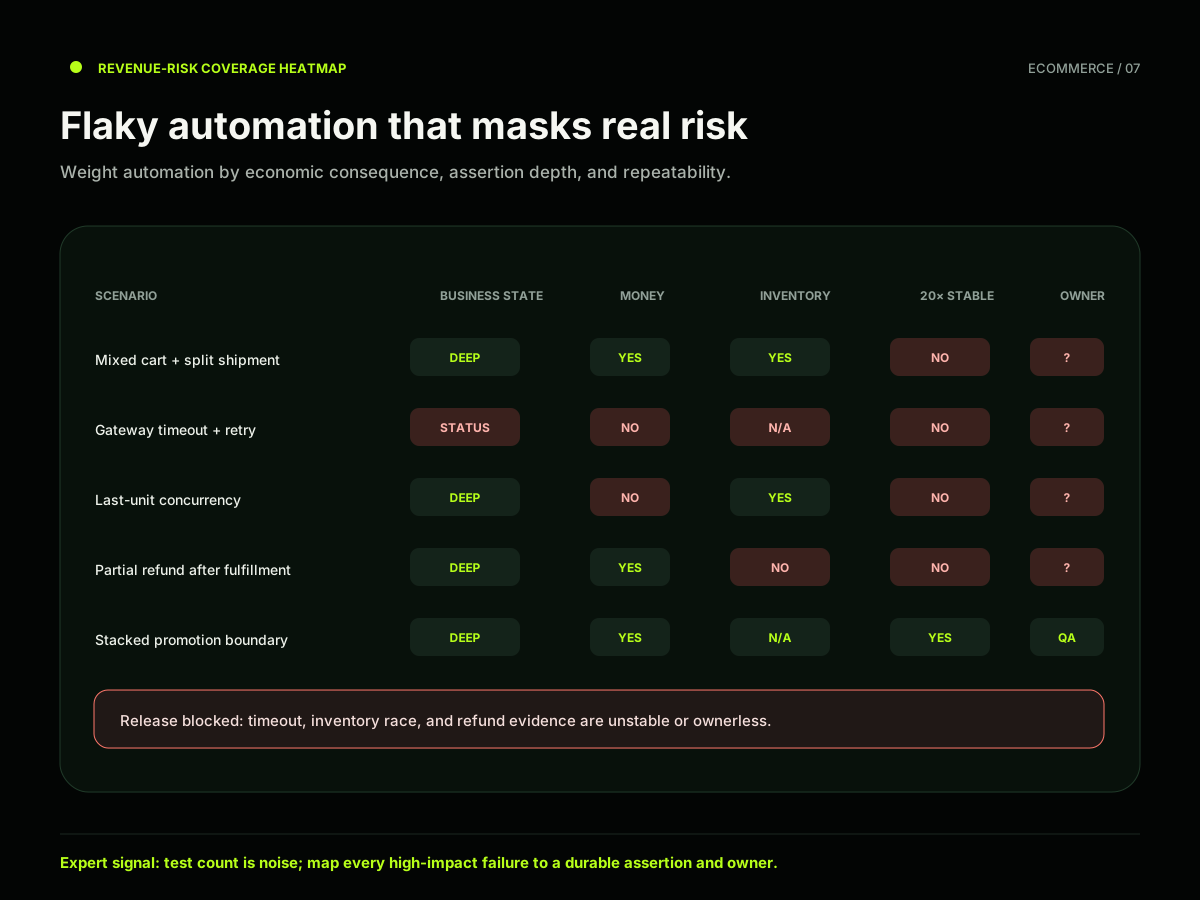
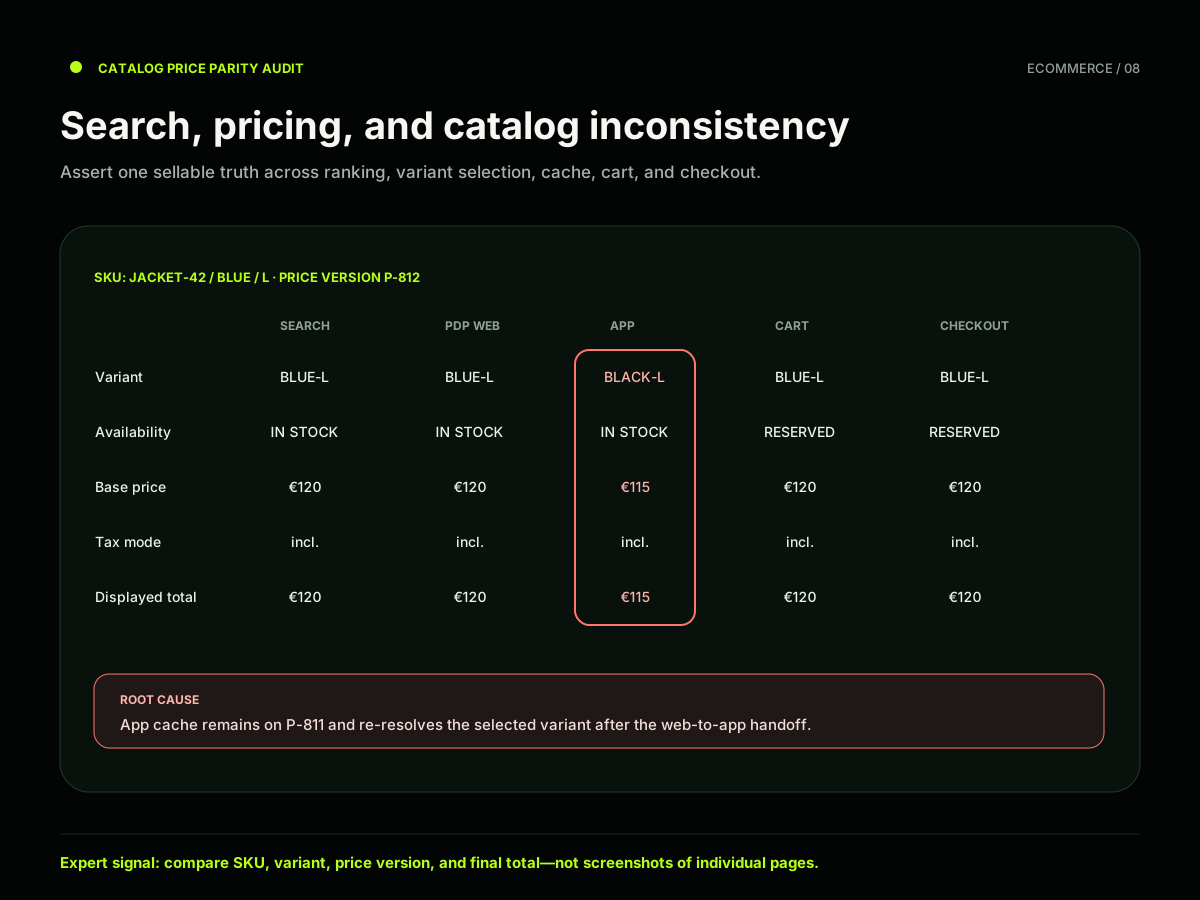
What teams commonly rely on when delivery speed outgrows a governed quality system.
What the familiar approach cannot prove before customers encounter the change.
A client-owned release signal built around business risk, credible evidence, and human judgment.
Pre-launch smoke tests and manual spot checks
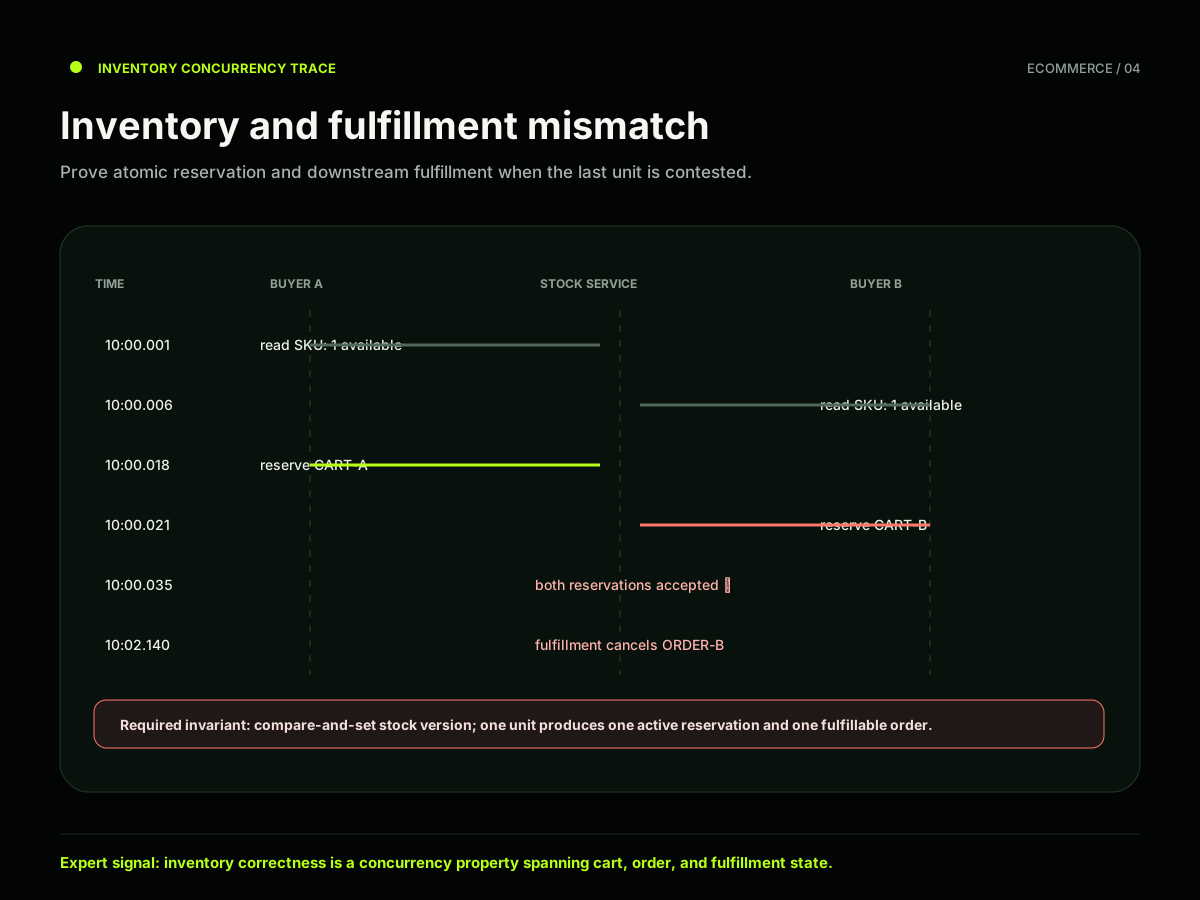
They confirm obvious paths but miss mixed-cart, payment, entitlement, and channel-specific edge cases that hurt conversion at scale.
Risk-mapped coverage tied to the journeys that decide revenue: discovery, cart, checkout, payment, account, and post-purchase.
Automation measured by volume
High test counts create dashboard comfort but fail to protect the scenarios where checkout revenue is actually at risk.
Automation measured by decision value: whether evidence improves ship or hold calls for campaign-critical flows.
Tooling upgrades without release governance
More tools produce more data, not better calls, when ownership and pass-fail policy are unclear before launches.
AI-augmented execution with human-governed risk thresholds and release scorecards leadership can trust under pressure.
Fixing incidents after conversion drops
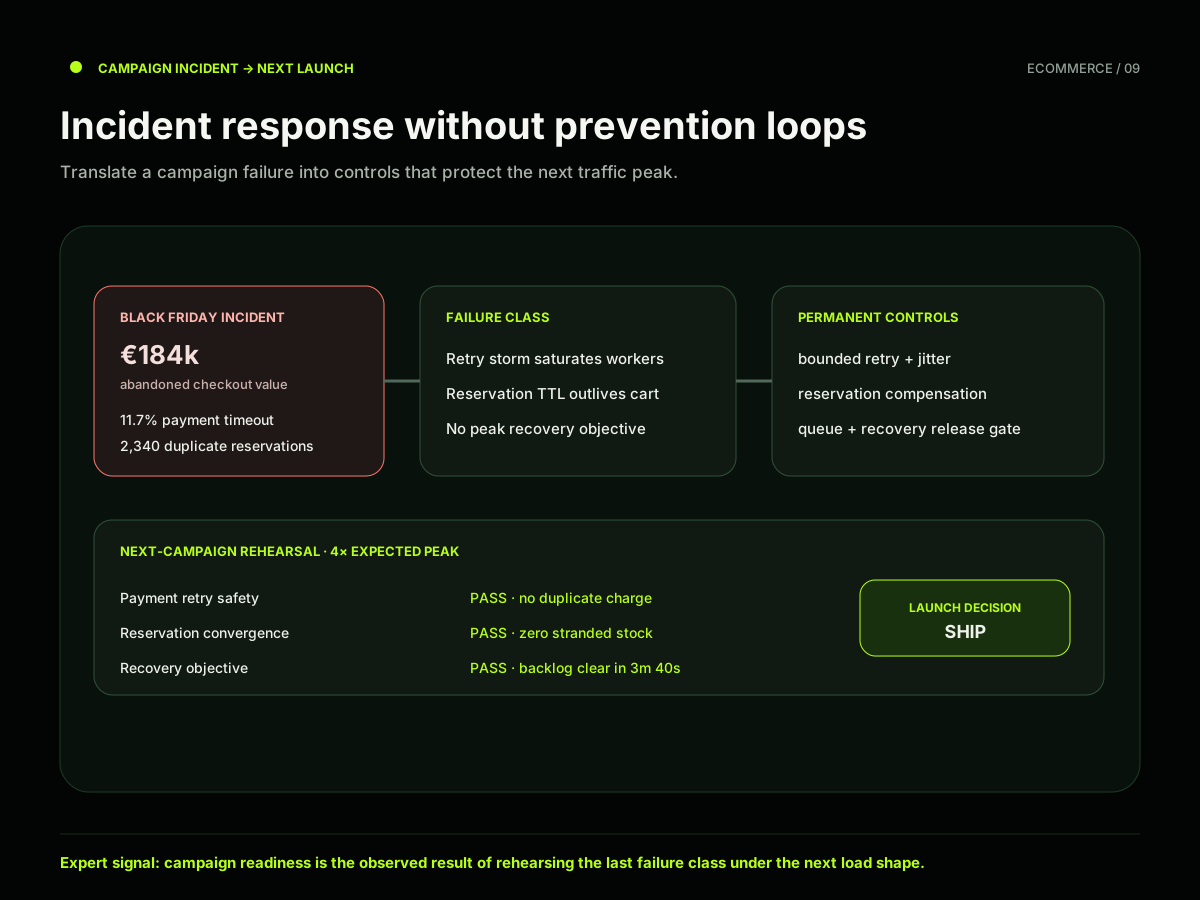
Teams become excellent at firefighting while repeating the same failure classes during every major promo window.
Continuous hardening that turns incident patterns into reusable tests, policies, and pre-release guardrails.
We prioritize the paths where money changes hands so release signal reflects real revenue risk before launch windows.
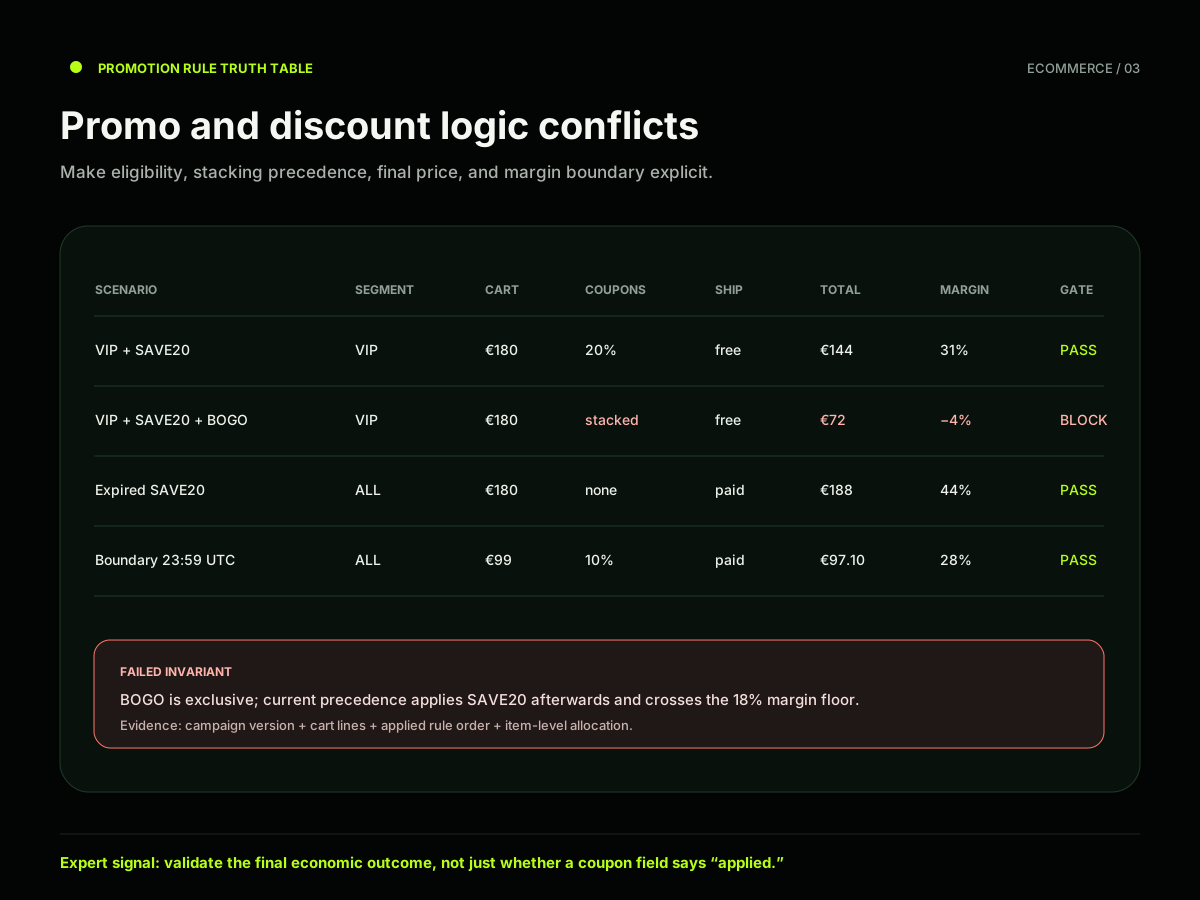
Discount, bundle, and campaign rules are validated against edge conditions to protect both conversion and margin.
AI accelerates scenario coverage, while senior QA governs assertions, triage, and release thresholds to avoid false confidence.
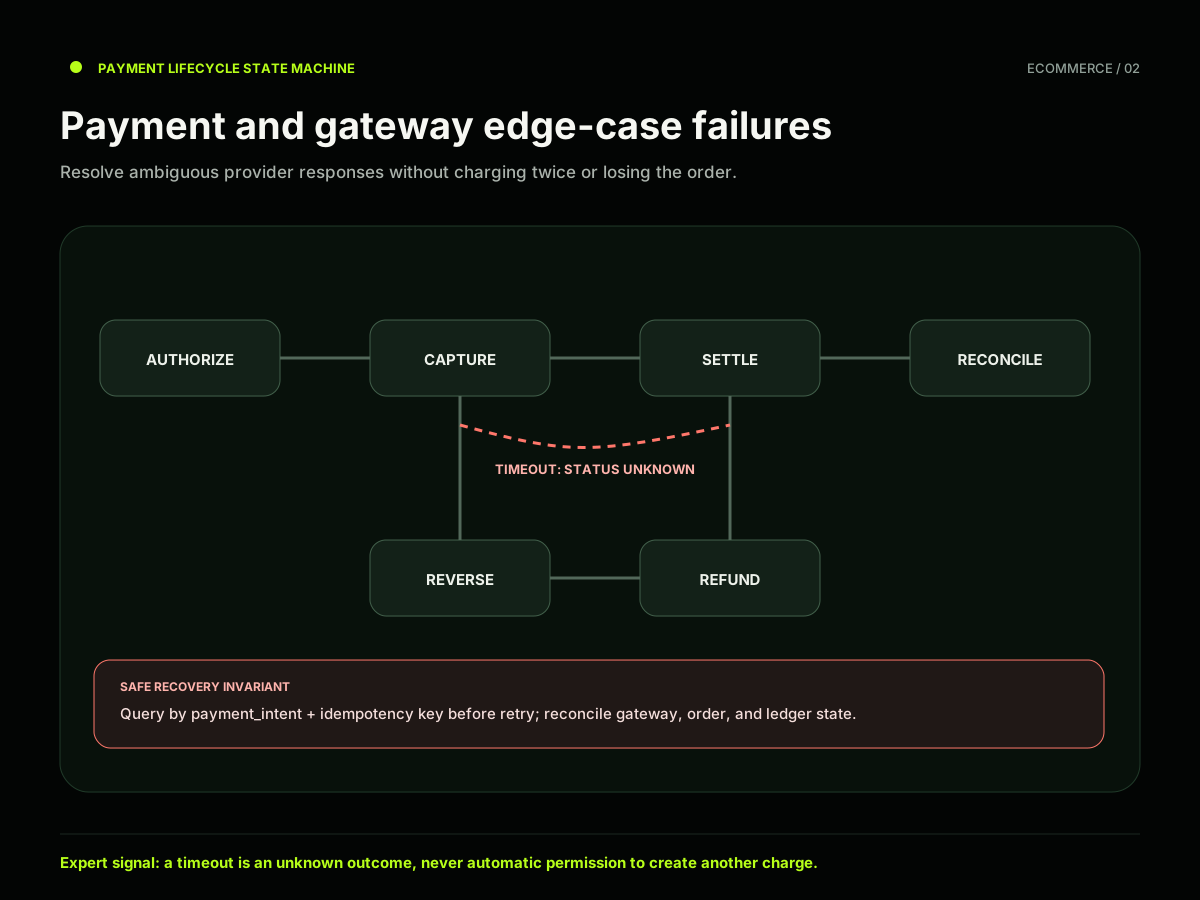
Payment providers, OMS, CRM, fulfillment, and fraud dependencies are tested for failure behavior, not just happy-path connectivity.
Search to PDP to cart to checkout to post-purchase flows get explicit protection so campaign spend is not wasted by preventable defects.
Risk maps, test suites, and release criteria stay with your team so confidence compounds across seasons instead of resetting.
A common ecommerce pattern: heavy campaign spend, high release cadence, and recurring checkout incidents. Then the team installs a governed QA system tied to revenue risk.
The team shipped quickly but lacked defendable release confidence. Checkout, payment, and promotion defects surfaced during campaign peaks and forced reactive incident handling.
AQA Masters mapped revenue-critical flows, added risk-based automation and integration stress checks, and installed human-governed release criteria tied to conversion and trust impact.
Leadership gained a client-owned release scorecard: fewer launch incidents, faster go or hold calls, and better protection of paid traffic and repeat purchase revenue.
Coverage is prioritized around checkout, payment, promo, account, and post-purchase journeys where defects immediately hurt conversion and trust.
We start with your platform, gateways, integrations, CI, and existing tests so value appears fast without forcing a full process reset.
High-risk launch windows get explicit guardrails before lower-impact scenarios, so protection matches business urgency.
AI helps cover more scenarios faster. Senior QA ensures assertions, triage logic, and release decisions stay reliable and defensible.
You keep the risk models, tests, quality playbooks, and release gates. No lock-in dependency is required to maintain momentum.
We surface your biggest revenue-risk gaps quickly and deliver an initial release-evidence view your team can use in upcoming launches.
Straight answers on speed, ownership, campaign pressure, tooling fit, and what real release confidence looks like in ecommerce.
Manual checks help, but they do not scale with ecommerce release speed and edge-case complexity. We install a governed system that combines automation, integration testing, and human judgment so confidence compounds each launch.
No. Better QA signal speeds go or hold decisions because risk is clearer before launch. Teams spend less time debating uncertainty and less time firefighting avoidable incidents.
Yes. We work inside your existing stack first: ecommerce platform, payment gateways, APIs, CI, and current tests. We only recommend changes when the ROI is clear.
Yes. We stabilize critical revenue flows first and tighten assertions around high-cost failures. Most teams improve signal through refocused guardrails, not full rewrites.
Yes. We explicitly test auth, capture, refund, timeout, retry, webhook, and dependency-failure behavior so launch confidence reflects real production conditions.
You get a map of revenue-critical journeys, the largest confidence gaps in current coverage, and a first release-risk view to guide immediate campaign and release decisions.
Yes. Your team keeps the assets, playbooks, and release framework. We build client-owned QA systems that keep improving after we step out.
Bring your launch calendar, campaign pressure, and known blind spots. We will show you where revenue risk is hiding and how to turn it into confident ship decisions.

QA Architect