From term-start fire drills to defendable education release calls
A common education pattern: fast release cadence, high calendar pressure, and recurring production incidents during enrollment and assessment peaks.


What clients valueAI-Augmented QA · Human QA judgment · Release confidence
View profile (opens in a new tab)
Top 1 Software Testing CompaniesBucharest, Romania
View profile (opens in a new tab)
Top 1 Software Testing CompaniesBucharest, Romania
View profile (opens in a new tab)
Published category scores5.00 across 4 categoriesBudget · Quality · Schedule · Communication
View profile (opens in a new tab)Education teams ship into unforgiving windows: term starts, exam periods, and payment deadlines. When sign-up breaks, content does not load, submissions fail, or grades drift, learners disengage and institutions escalate. AQA Masters installs an AI-augmented, human-governed QA system that gives leadership defendable ship or hold decisions before students discover failures first.
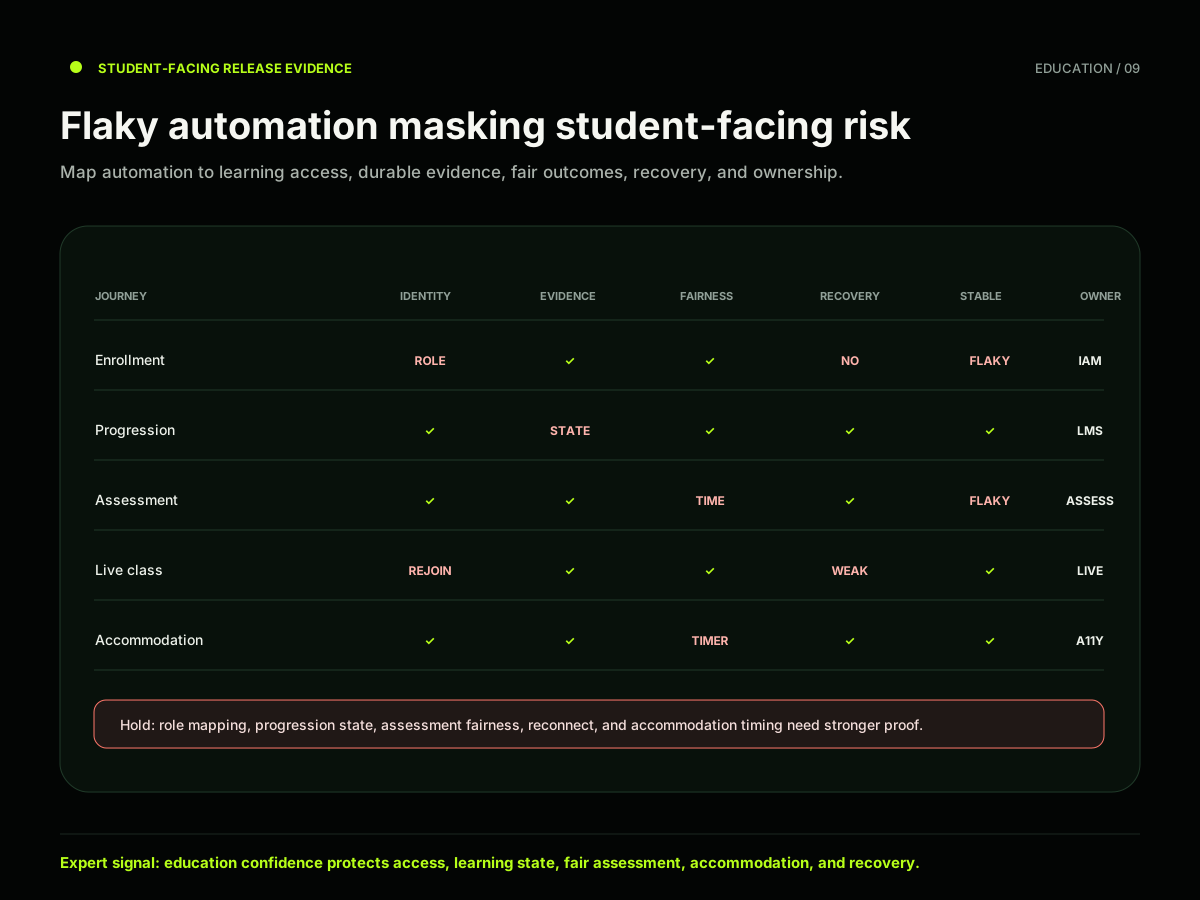
What teams commonly rely on when delivery speed outgrows a governed quality system.
What the familiar approach cannot prove before customers encounter the change.
A client-owned release signal built around business risk, credible evidence, and human judgment.
Feature QA run in separate teams
Education failures appear in handoffs across enrollment, learning delivery, assessment, billing, and support operations.
Journey-first validation tied to learner continuity, submission integrity, grading trust, and renewal confidence.
Coverage measured by pass counts
Large suites still miss high-impact edge paths around role states, retries, integrations, and term-boundary transitions.
Coverage measured by decision value: can leadership defend ship, hold, or rollback before student impact.
Tool expansion as the main strategy
More tools create noise when thresholds are not tied to retention, completion rates, and support burden.
AI-augmented execution with human-governed release criteria mapped to education outcomes and risk.
Incident response as a quality model
Patching after term-critical failures reduces immediate pressure but does not remove recurring release blind spots.
Continuous hardening that turns incidents into stronger guardrails, tests, and reusable release evidence.
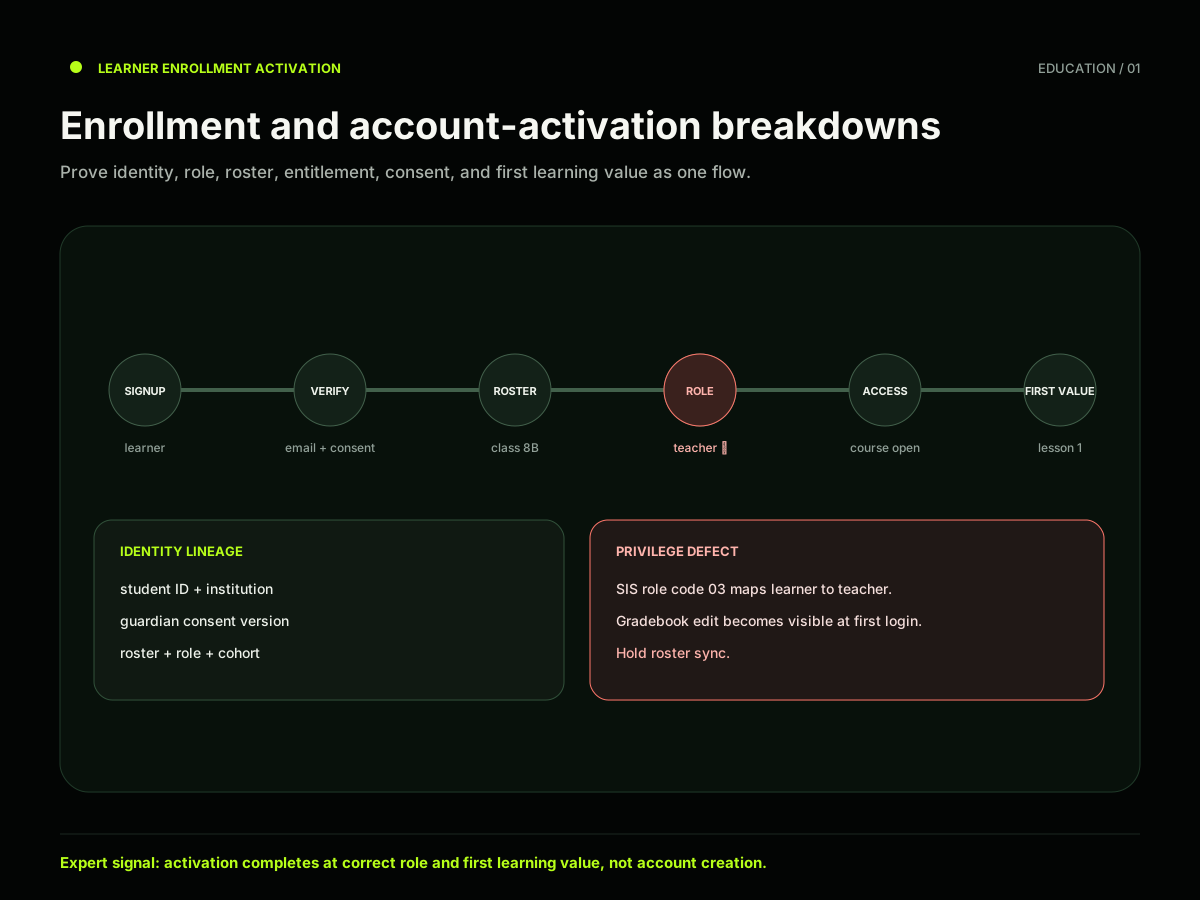
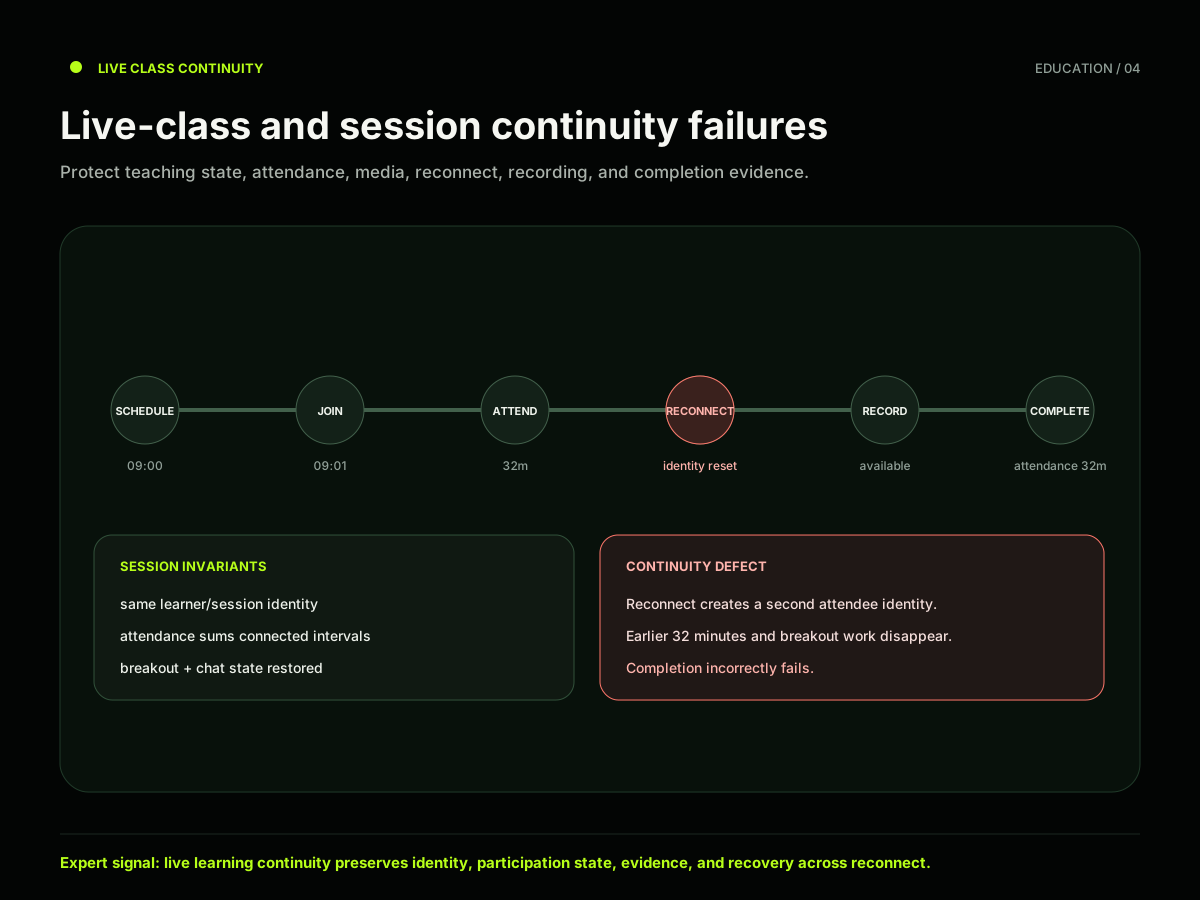
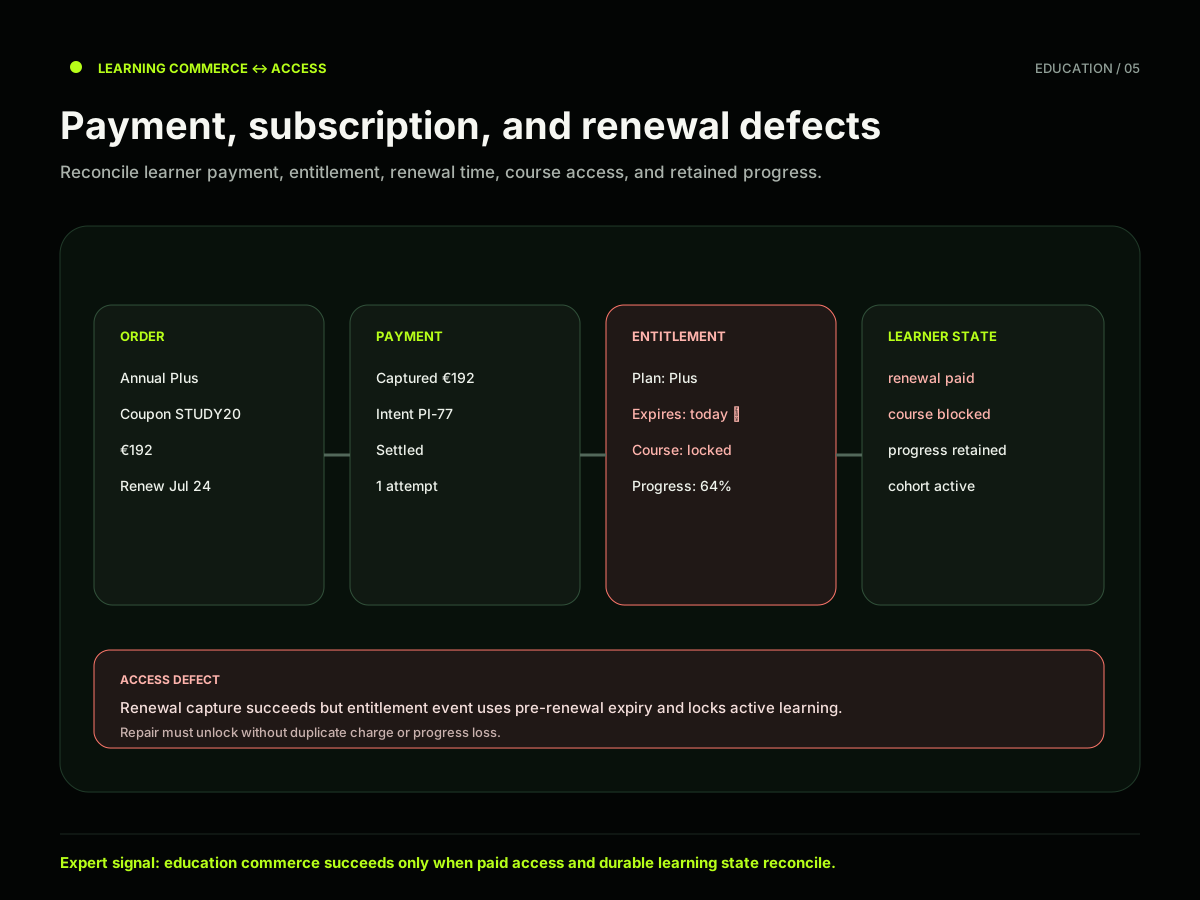
We prioritize enrollment, course access, submission, grading, payments, and support handoffs where failure hurts retention fastest.
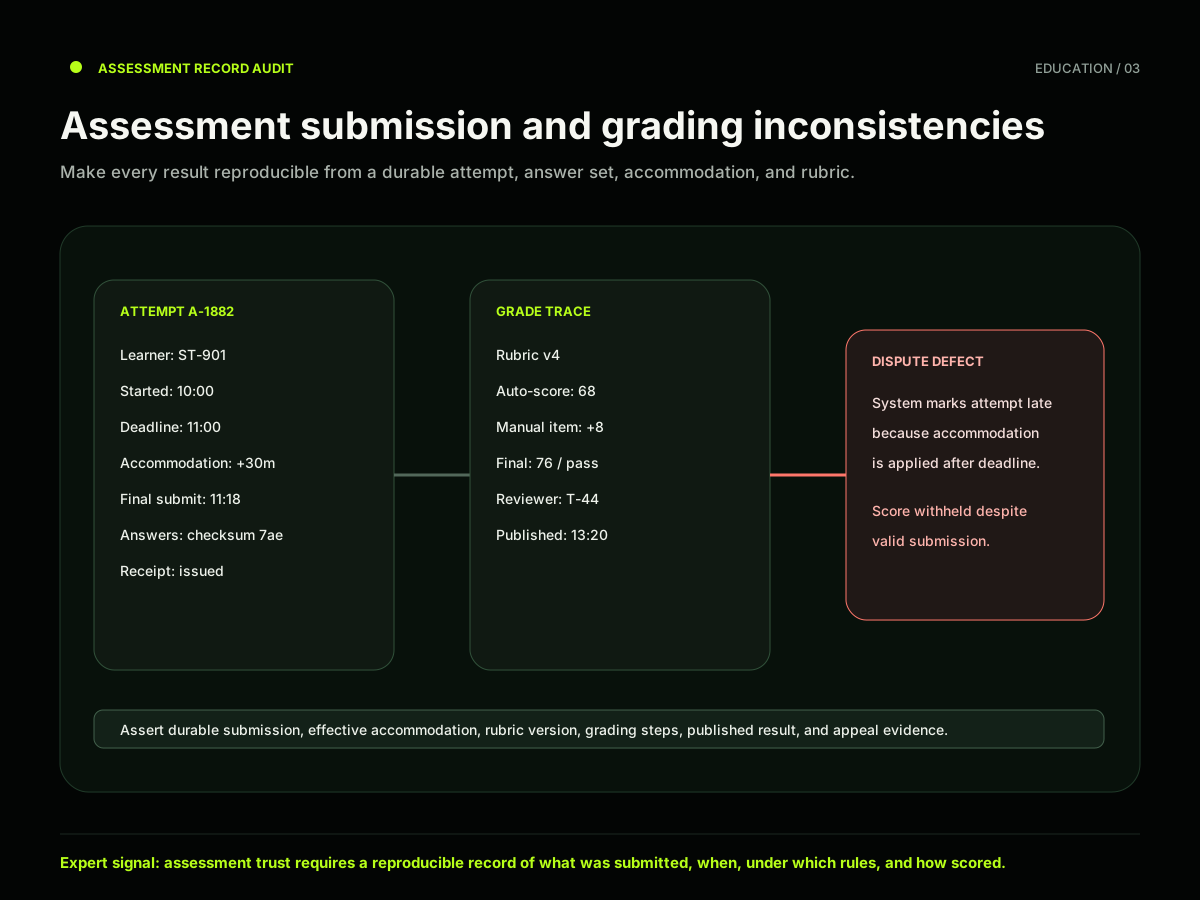
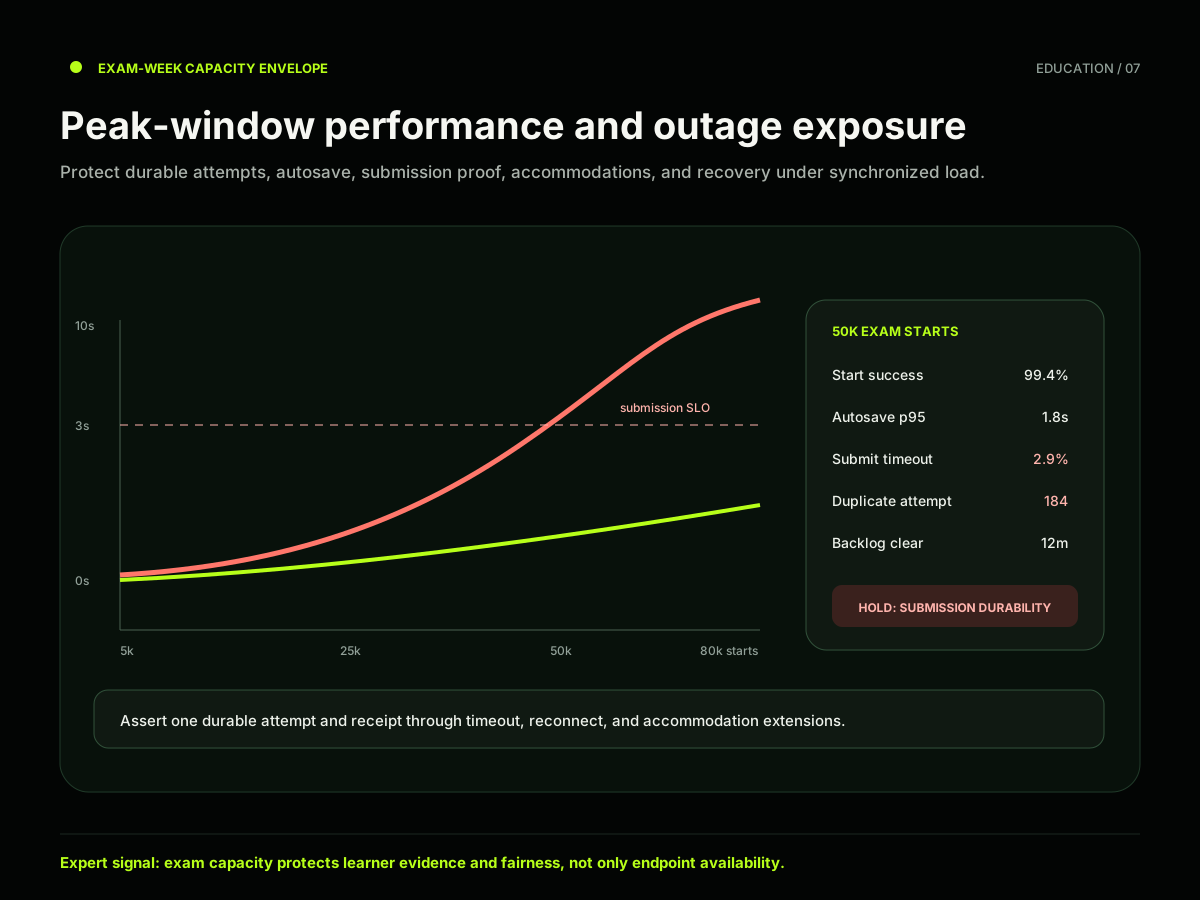
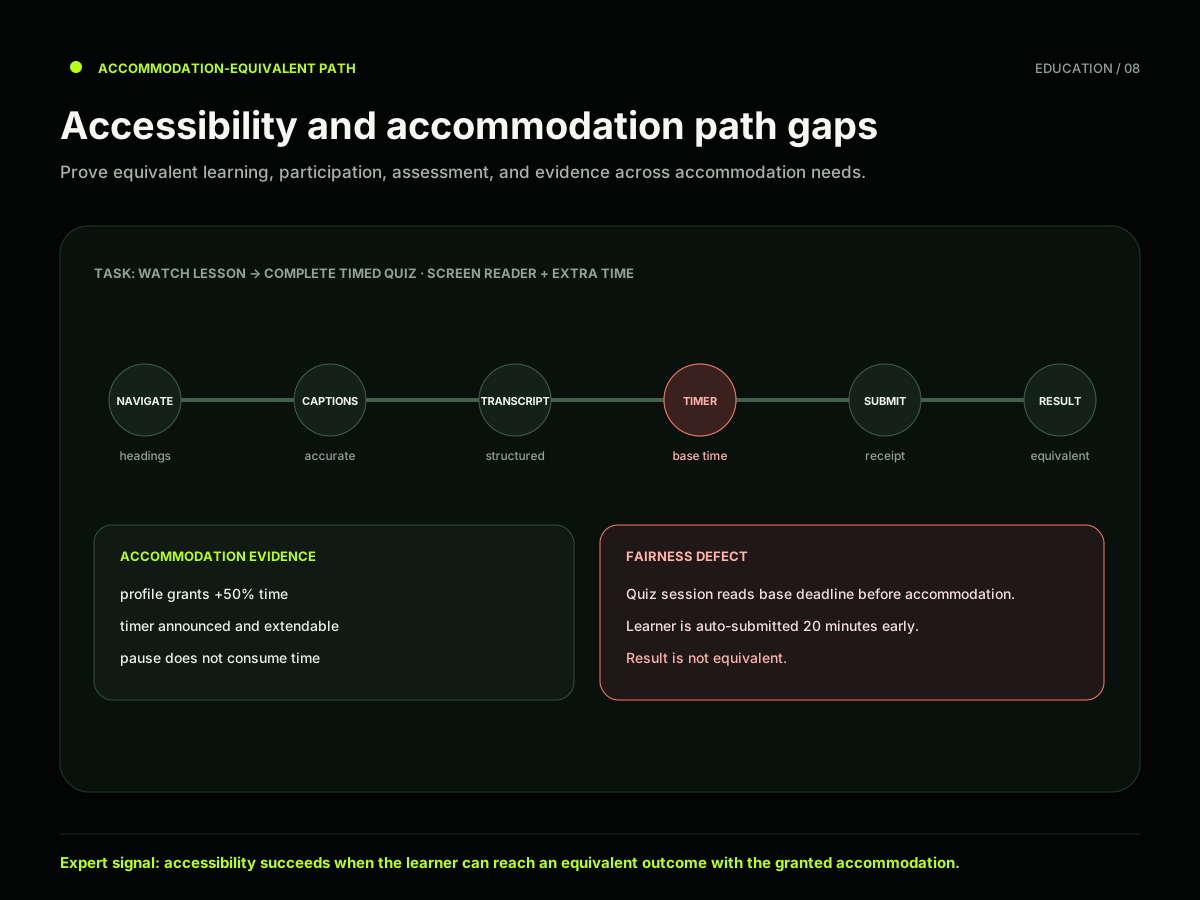
Ship signal reflects access continuity, submission reliability, and grading integrity, not vanity pass-rate metrics.
AI accelerates scenario discovery and coverage growth while senior QA architects govern risk relevance and release thresholds.
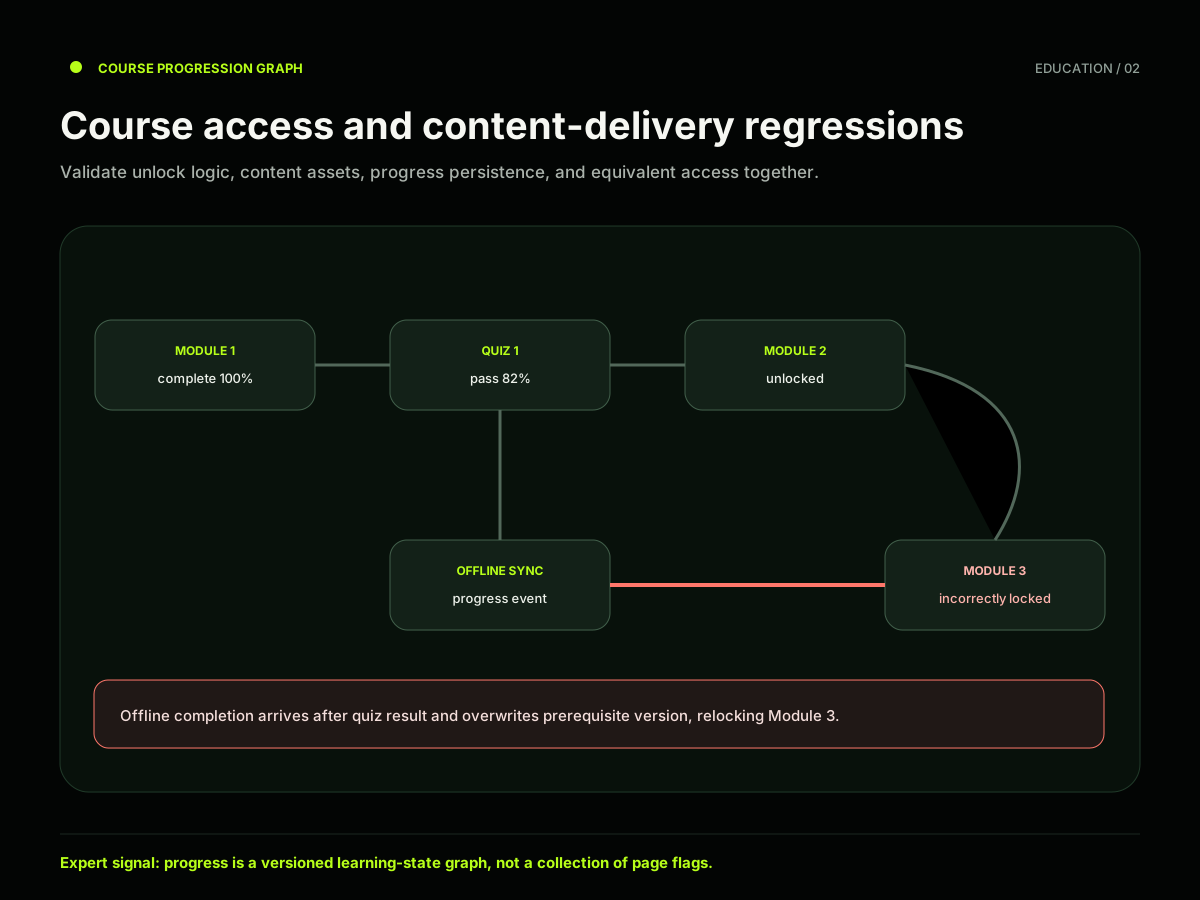
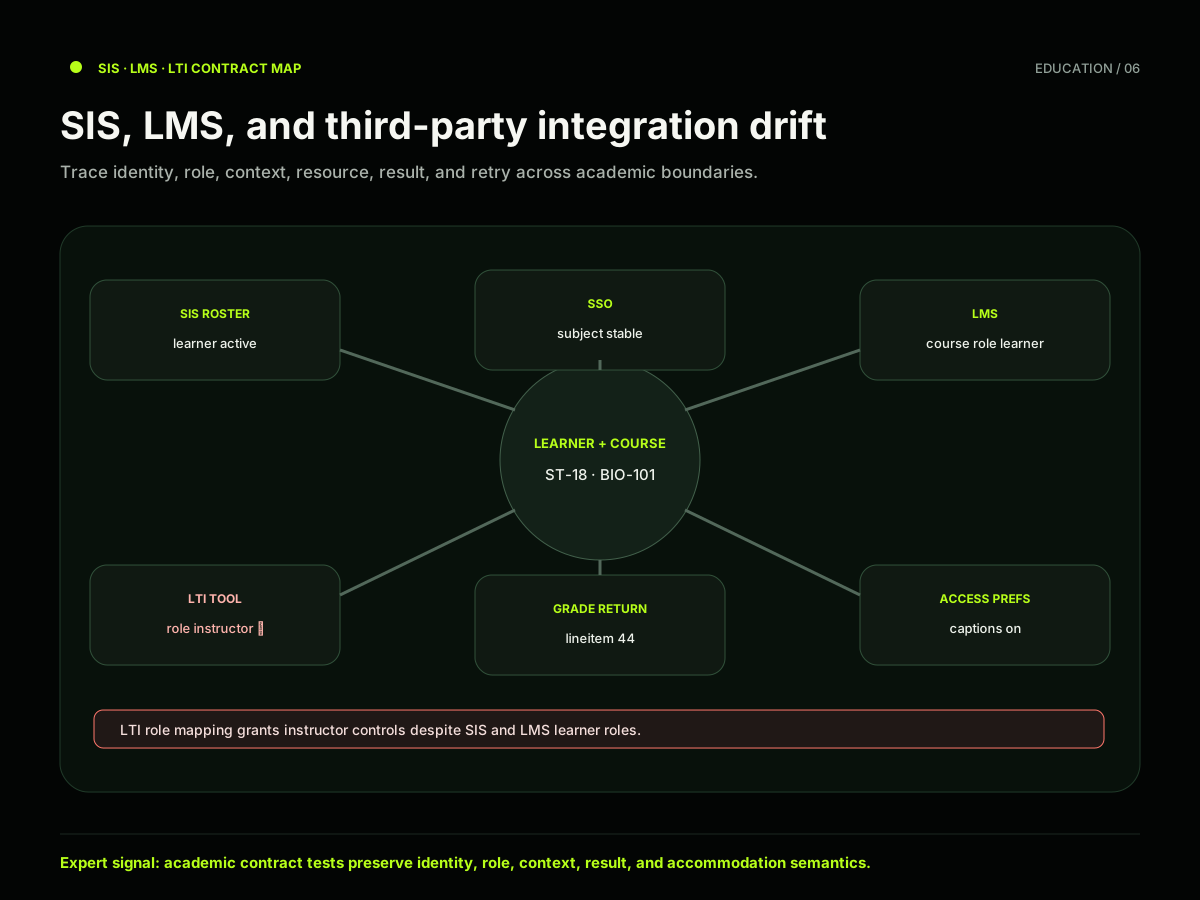
LMS, SIS, SSO, payment, and communication dependencies are validated for failure behavior under realistic conditions.
Term-start and exam-window behavior are tested against explicit ship or hold criteria before high-stakes releases.
Your team keeps risk maps, test assets, and release criteria so confidence compounds every term, not just this one.
A common education pattern: fast release cadence, high calendar pressure, and recurring production incidents during enrollment and assessment peaks.
Releases shipped, but confidence was fragile. Enrollment friction, submission failures, and grading edge cases surfaced late and triggered trust-eroding escalations.
AQA Masters mapped learner-critical journeys, hardened cross-system failure paths, and installed human-governed release criteria tied to outcomes and retention risk.
Leadership got a client-owned release scorecard: fewer term-critical incidents, faster go or hold decisions, and stronger confidence across product and operations.
Coverage priorities align with enrollment continuity, assessment reliability, grading confidence, and renewal outcomes.
We start with your current LMS, SIS, SSO, CI, and tests so value appears quickly without forcing disruptive resets.
High-impact edge paths are validated at system handoffs, not only in isolated feature checks.
AI expands useful coverage fast while senior QA architects own assertions, risk judgment, and release criteria.
Your team keeps the risk models, tests, and decision framework so confidence compounds after the engagement.
We surface top student and operational risks quickly and deliver a first release-evidence view your team can use immediately.
Straight answers on speed, ownership, integration fit, calendar pressure, and how release confidence is built without slowing delivery.
More headcount increases activity, but education incidents usually come from cross-system edge paths and weak release governance. We improve decision quality, not just test volume.
No. Better risk signal speeds decisions because teams spend less time debating uncertainty and less time firefighting preventable student-facing incidents.
Yes. We start inside your current architecture and vendors. We only recommend tooling changes when ROI is clear and migration risk is justified.
Yes. We validate complete paths across enrollment, access, coursework, assessment, grading, notifications, and support handoffs.
Yes. We stabilize the highest-risk learner journeys first, tighten assertions, and improve signal quality incrementally.
You get a learner-critical journey map, your biggest confidence gaps across systems, and a first release-risk view for immediate go or hold decisions.
Yes. Your team keeps the assets, decision criteria, and playbooks. We build client-owned systems so confidence keeps compounding after we step out.
Bring your release calendar, system map, and known blind spots. We will show where learner and operational risk hides, then turn it into clear go or hold decisions.

QA Architect