From release pressure to defendable public-service launch decisions
A common public-sector pattern: high delivery pressure, recurring production incidents, and leadership uncertainty before every major release window.


What clients valueAI-Augmented QA · Human QA judgment · Release confidence
View profile (opens in a new tab)
Top 1 Software Testing CompaniesBucharest, Romania
View profile (opens in a new tab)
Top 1 Software Testing CompaniesBucharest, Romania
View profile (opens in a new tab)
Published category scores5.00 across 4 categoriesBudget · Quality · Schedule · Communication
View profile (opens in a new tab)Public sector teams are expected to ship modern services quickly without breaking trust. Production defects here mean blocked access to essential services, operational escalation, and public scrutiny. AQA Masters installs an AI-augmented, human-governed QA system that gives leadership defendable ship or hold decisions before citizens experience failures.
What teams commonly rely on when delivery speed outgrows a governed quality system.
What the familiar approach cannot prove before customers encounter the change.
A client-owned release signal built around business risk, credible evidence, and human judgment.
Feature-level QA in siloed teams
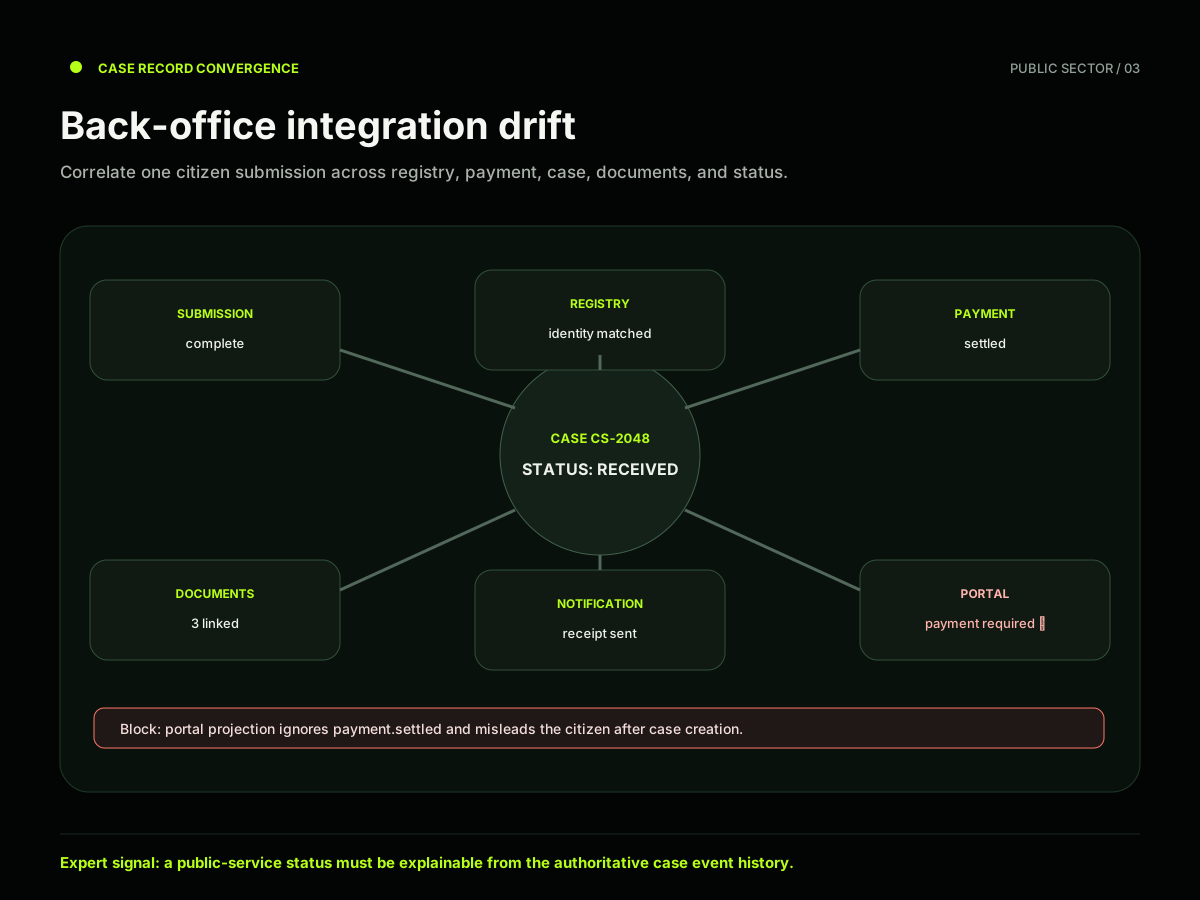
Public-service incidents usually emerge at handoffs between citizen portals, identity, payments, records, and case-management systems.
Journey-first, cross-system validation tied to citizen completion, operational continuity, and trust outcomes.
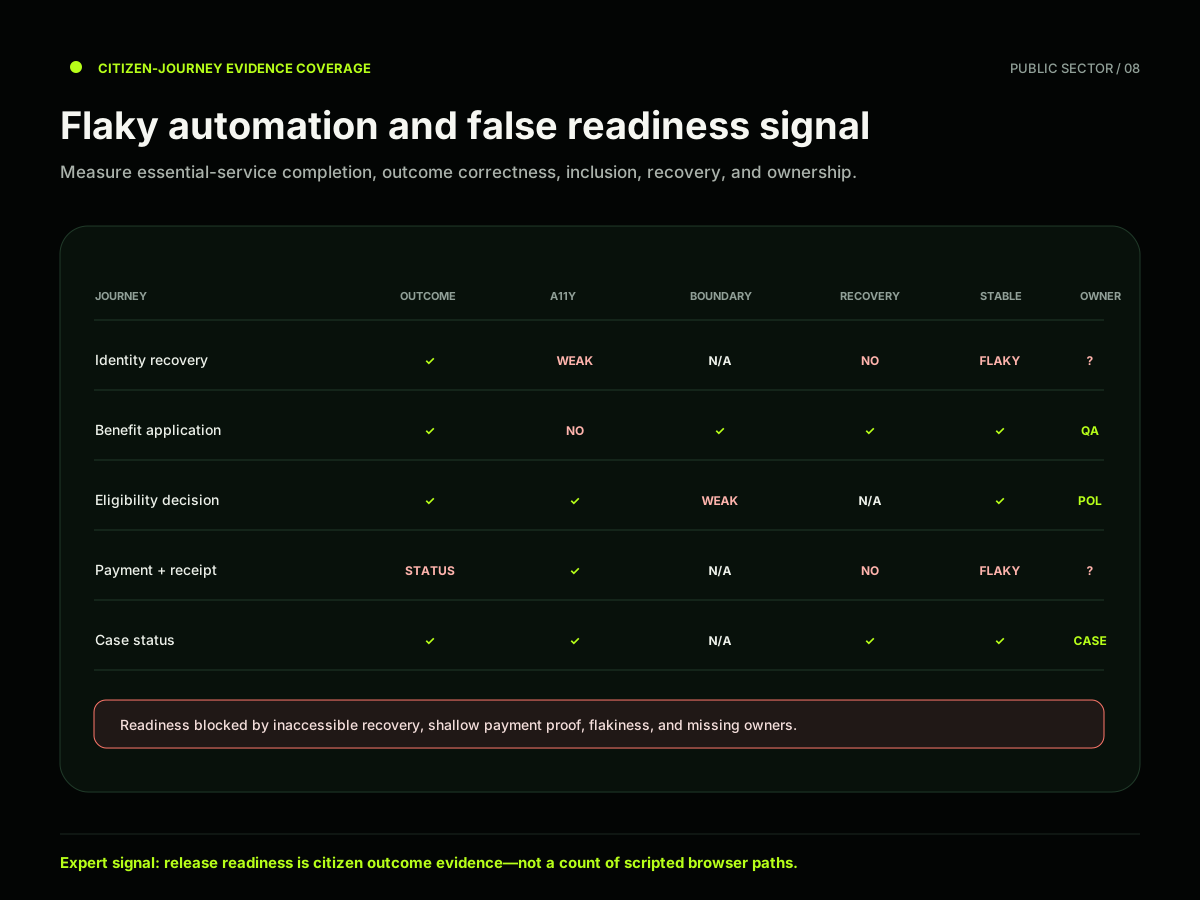
Coverage measured by test volume
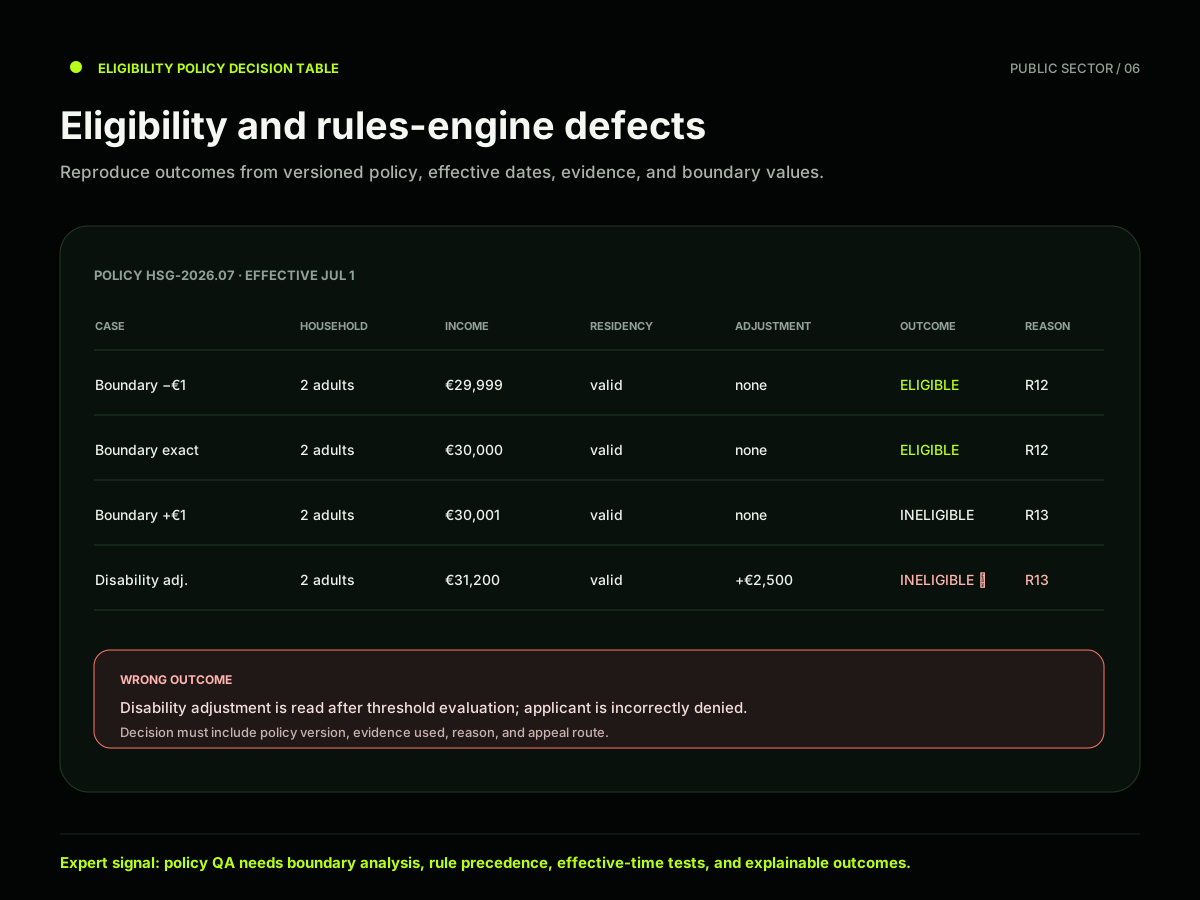
Large suites still miss high-impact edge paths across onboarding, submissions, eligibility, and notifications.
Coverage measured by decision value: can leadership defend ship, hold, or rollback with evidence.
Tool-first automation modernization
New tooling creates noise when quality thresholds and ownership are not mapped to service continuity and governance risk.
AI-augmented execution with human-governed release criteria aligned to citizen impact and operational resilience.
Post-incident patching as core strategy
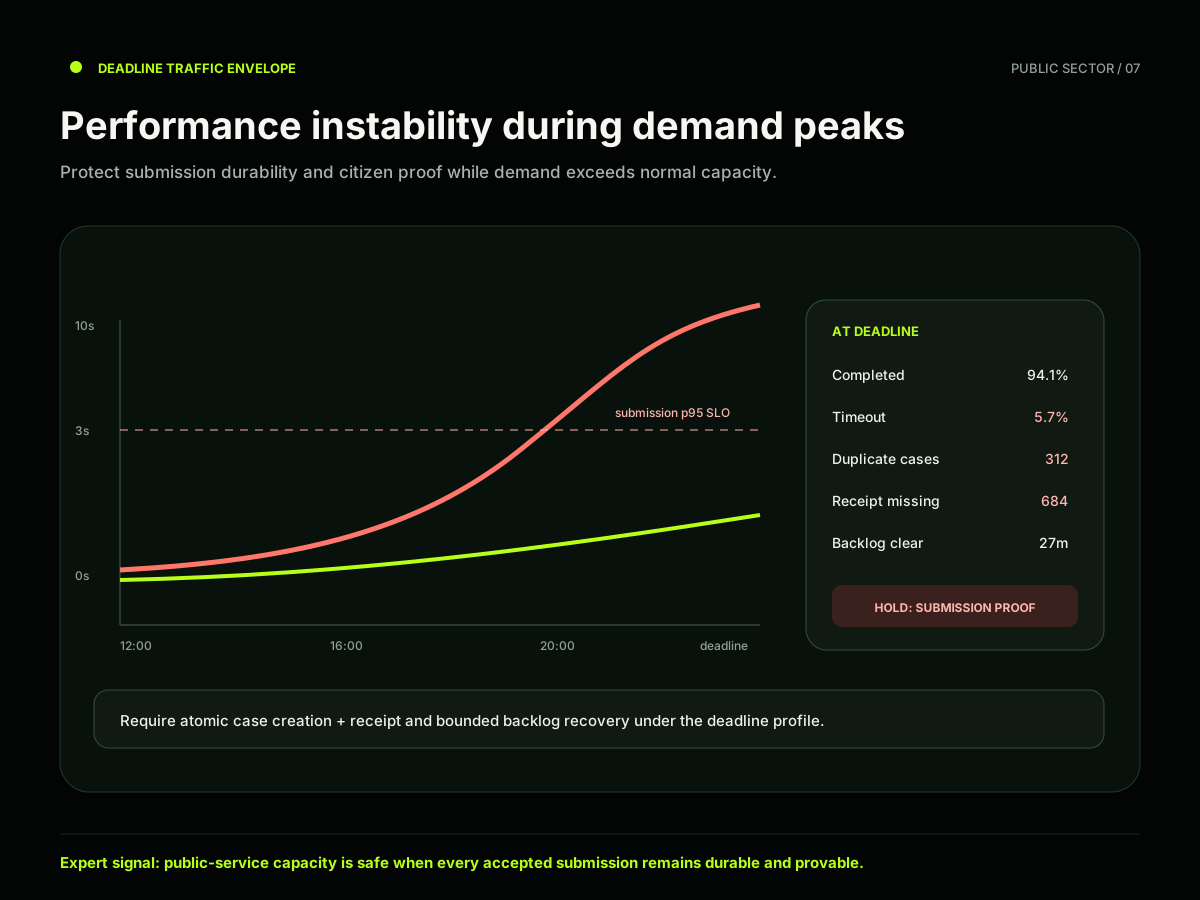
Fast patches reduce immediate pressure but recurring failure patterns keep returning under the next high-demand release.
Continuous hardening that converts incidents into stronger guardrails, tests, and reusable release evidence.
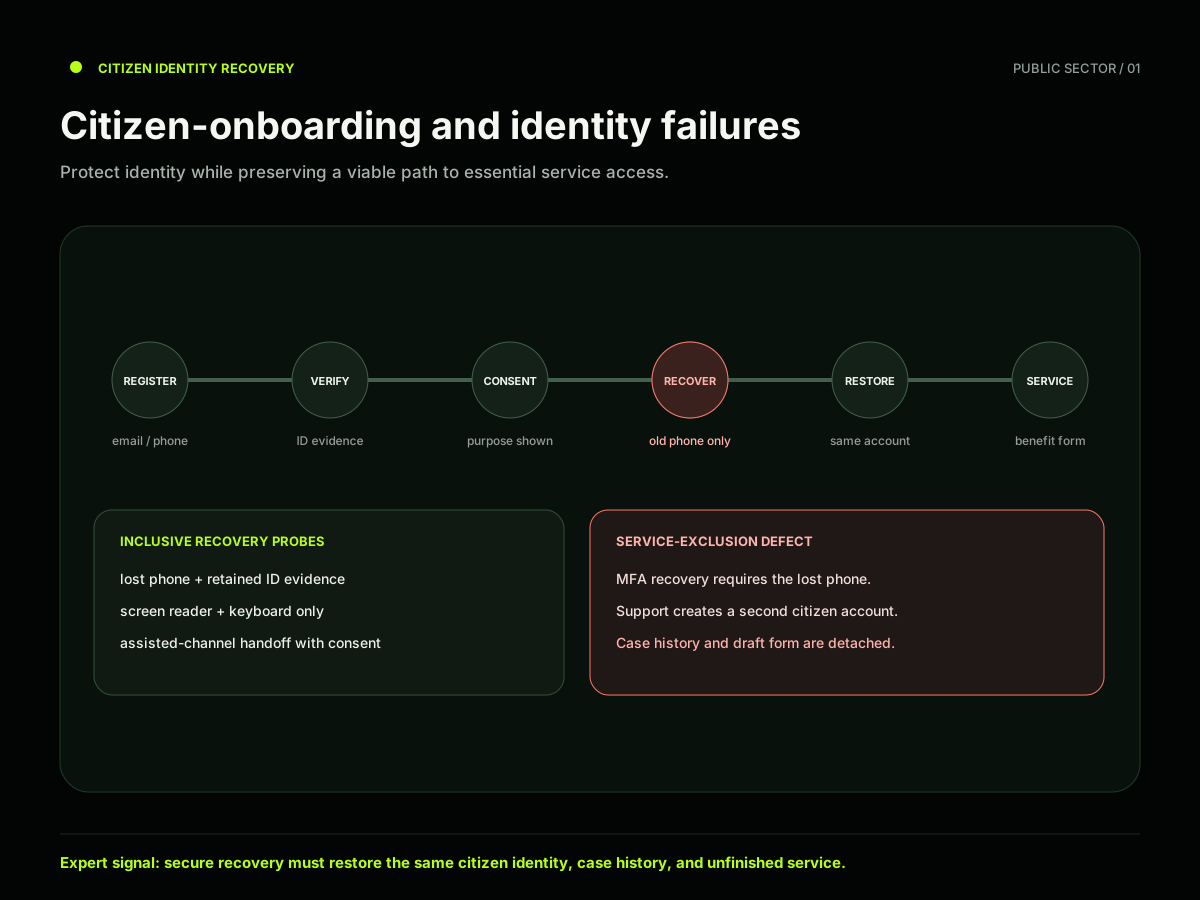
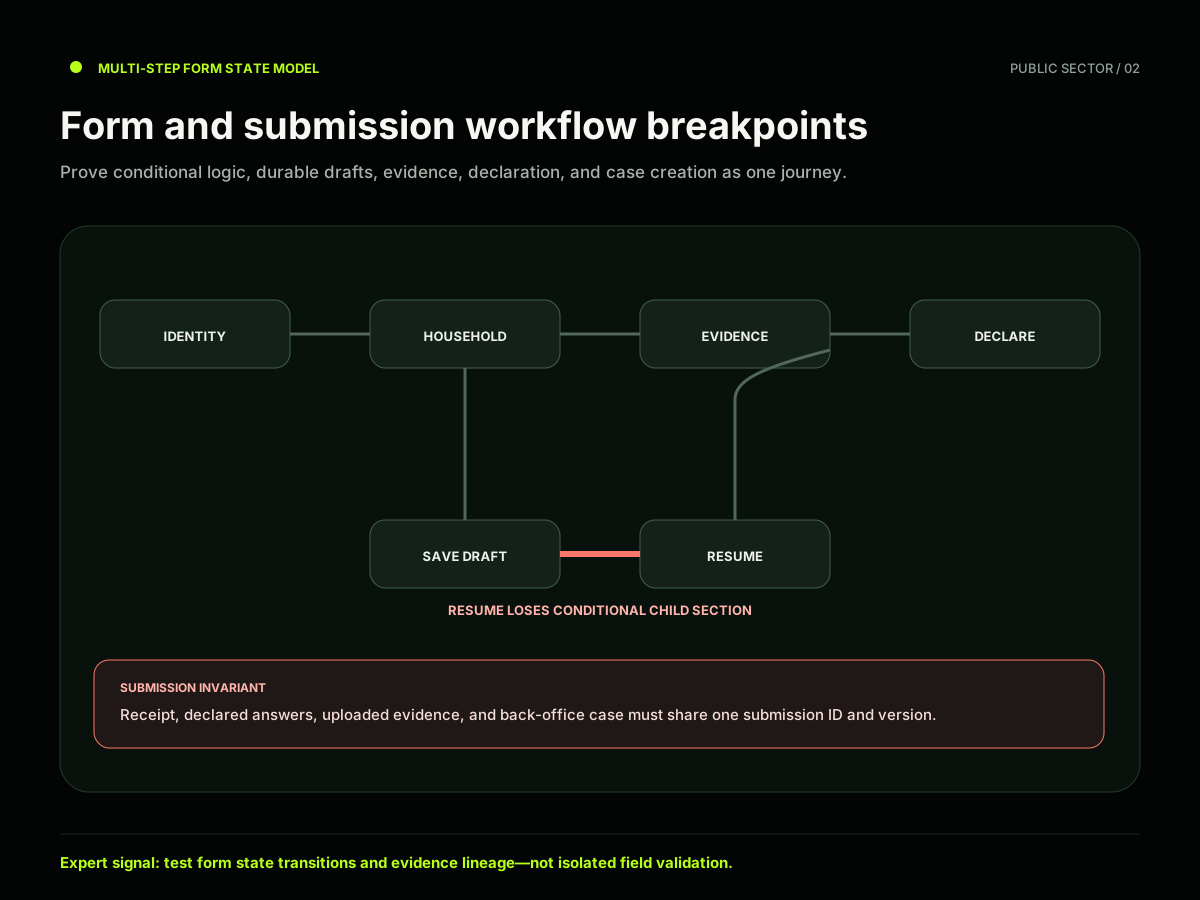
We prioritize onboarding, submissions, eligibility, payments, notifications, and case-status flows where failures hurt citizens and operations.
Ship signal reflects citizen access risk, operational load, and trust impact, not vanity pass rates.
AI accelerates scenario discovery and coverage growth while senior QA architects govern relevance and release thresholds.
Identity, records, payment, communication, and case-management dependencies are tested for failure behavior, not only happy paths.
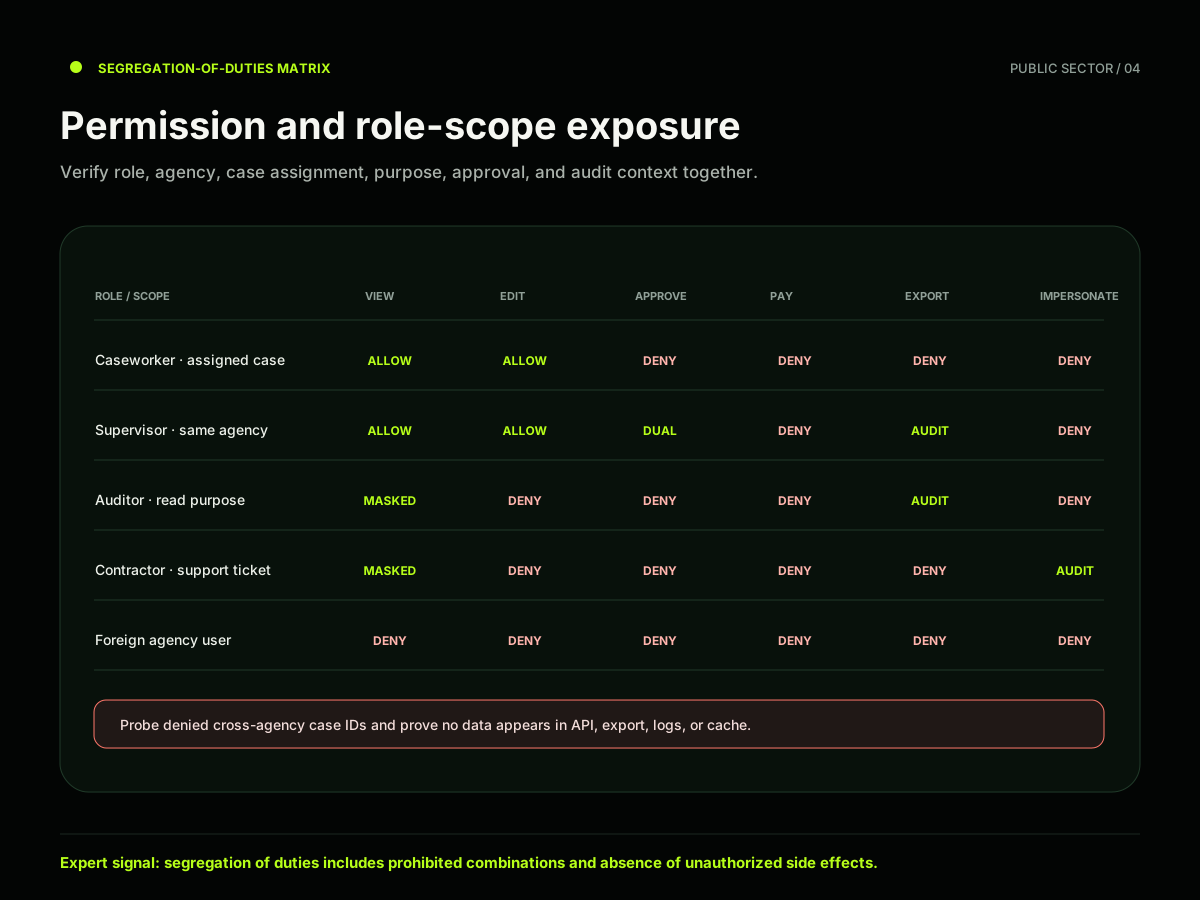
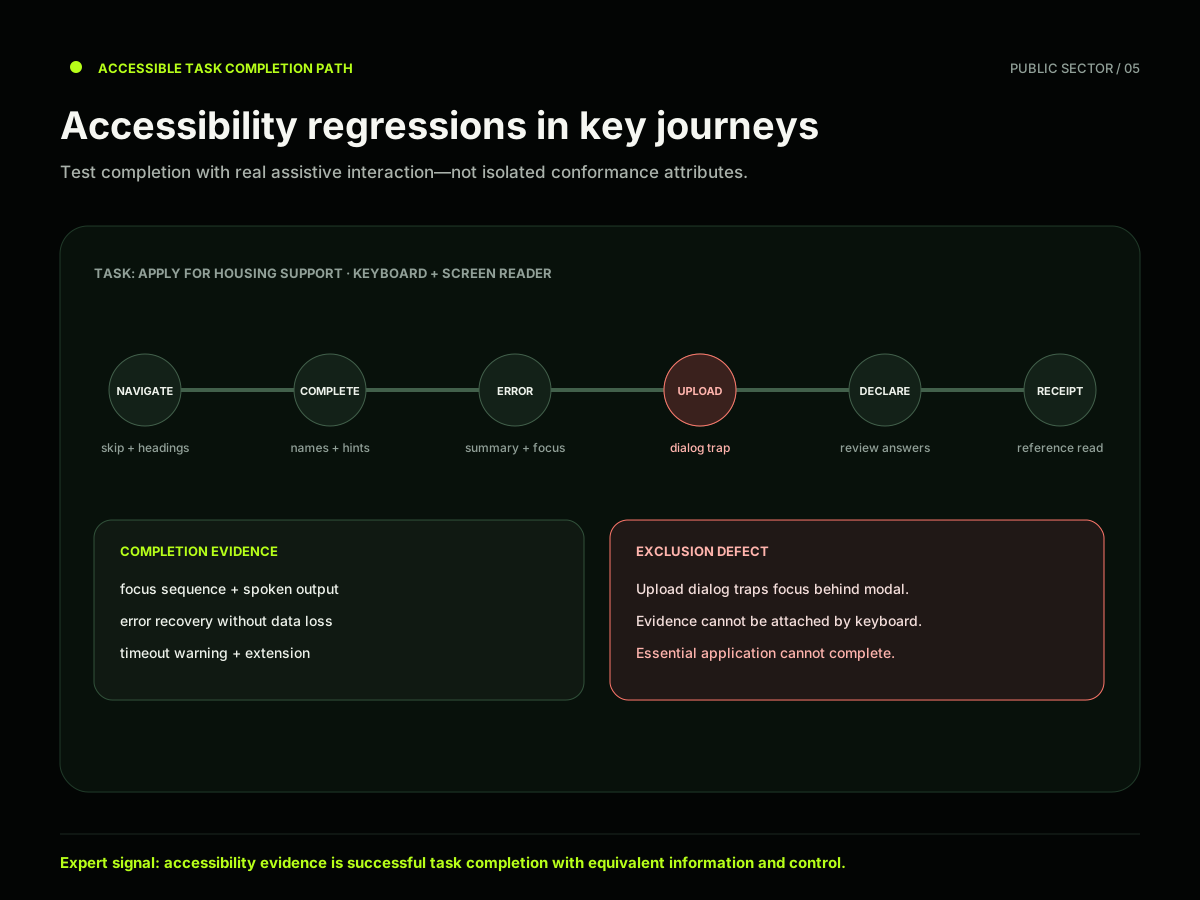
Permission boundaries and accessibility behavior are validated across edge conditions before sensitive releases move forward.
Your team keeps the risk maps, tests, release criteria, and playbooks so confidence compounds every delivery cycle.
A common public-sector pattern: high delivery pressure, recurring production incidents, and leadership uncertainty before every major release window.
Releases shipped, but confidence was thin. Citizen journey edge cases, integration drift, and permission gaps surfaced late and triggered avoidable escalations.
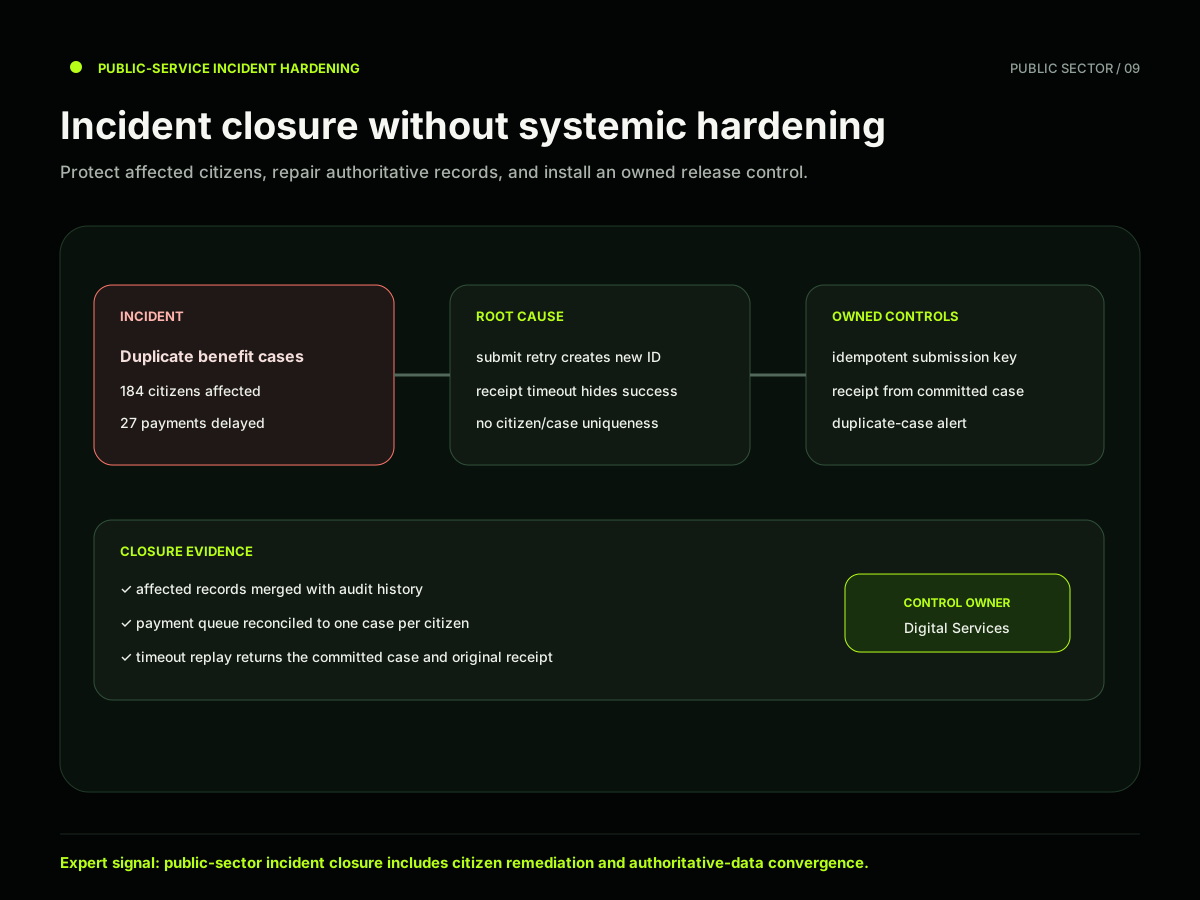
AQA Masters mapped citizen-critical journeys, hardened cross-system failure paths, and installed human-governed release criteria tied to service continuity and trust risk.
Leadership got a client-owned release scorecard: fewer high-severity incidents, faster go or hold calls, and stronger confidence across product and operations.
Coverage priorities align with service accessibility, completion reliability, permission safety, and operational continuity.
We start with your existing systems, integrations, CI, and tests so value appears quickly without forcing a reset.
High-impact edge cases are validated where real incidents occur: between citizen channels, back-office systems, and operations tools.
AI expands useful coverage fast while senior QA architects own assertions, risk judgment, and release criteria.
Your team keeps the risk models, tests, and release framework so confidence keeps compounding after the engagement.
We surface top citizen and operations risks quickly and deliver a first release-evidence view your team can use immediately.
Straight answers on speed, ownership, integration fit, governance expectations, and how release confidence is built for citizen-facing services.
More people increase activity, but public-service incidents usually come from cross-system edge paths and weak release governance. We improve decision quality, not just output volume.
No. Better risk signal speeds delivery because teams spend less time debating uncertainty and less time firefighting avoidable production incidents.
Yes. We start inside your current stack and providers. We only recommend tool changes when ROI is clear and migration risk is justified.
Yes. We explicitly validate complete journeys across onboarding, submissions, eligibility, notifications, and operational handoffs.
Yes. We stabilize the highest-risk citizen and operational flows first, tighten assertions, and improve signal quality incrementally.
You get a citizen-critical journey map, your largest confidence gaps across systems, and a first release-risk view for immediate ship decisions.
Yes. Your team keeps the assets, decision criteria, and playbooks. We build client-owned systems so confidence keeps compounding after we step out.
Bring your release pressure, systems map, and known blind spots. We will show where service and trust risk hides, then turn it into clear go or hold decisions.

QA Architect