

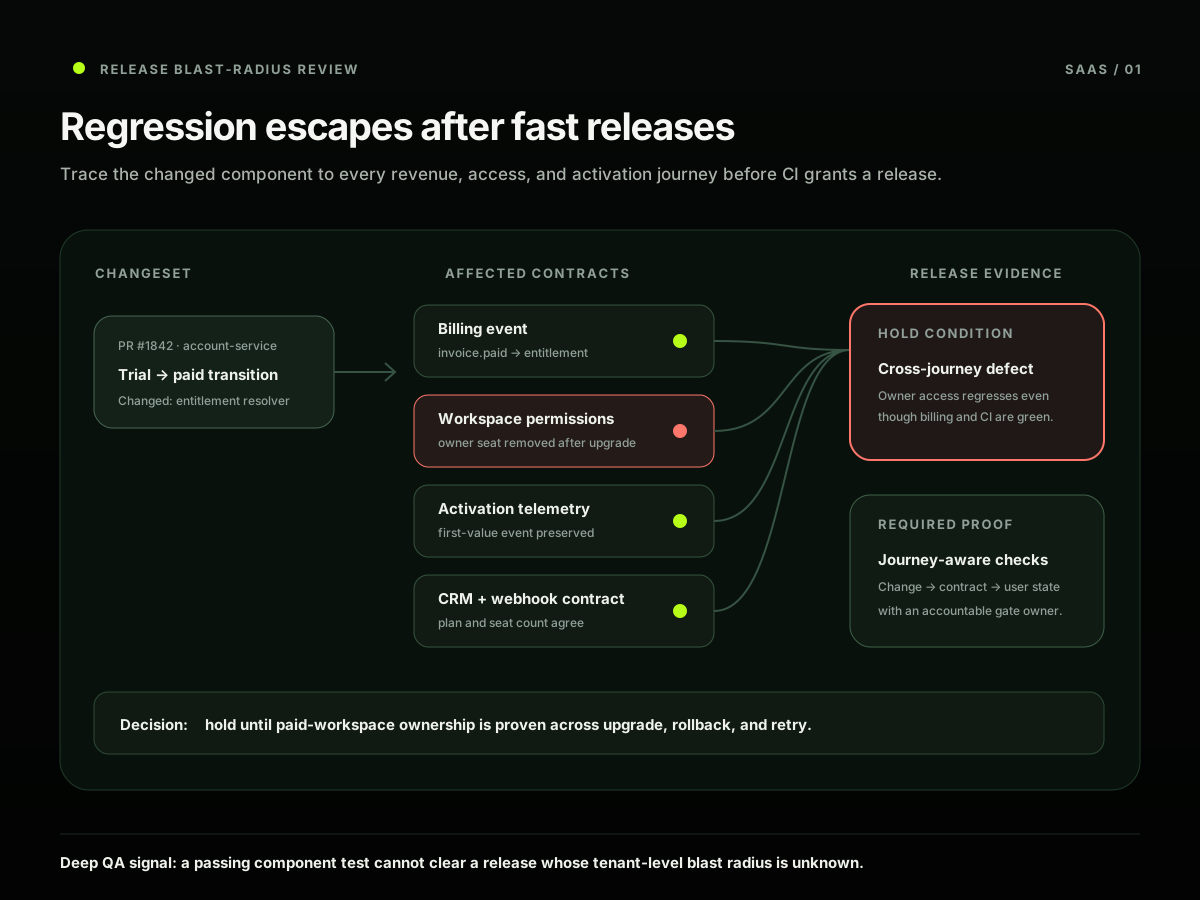
Regression escapes after fast releases
Weekly releases fix one area and quietly break another because critical-flow coverage and release gates are not tied to real product risk.
SaaS teams are forced to ship fast. The problem is not speed. The problem is shipping without reliable signal. AQA Masters installs an AI-augmented, human-governed QA system that protects critical journeys, tightens release decisions, and reduces churn-driving defects before they hit production.
Where SaaS velocity creates hidden risk
SaaS quality fails at the intersection of speed, complexity, and changing customer states. Bugs are not just technical debt. They become churn, support cost, delayed expansion, and blocked roadmap momentum.
Talk About Your SaaS ProductWeekly releases fix one area and quietly break another because critical-flow coverage and release gates are not tied to real product risk.
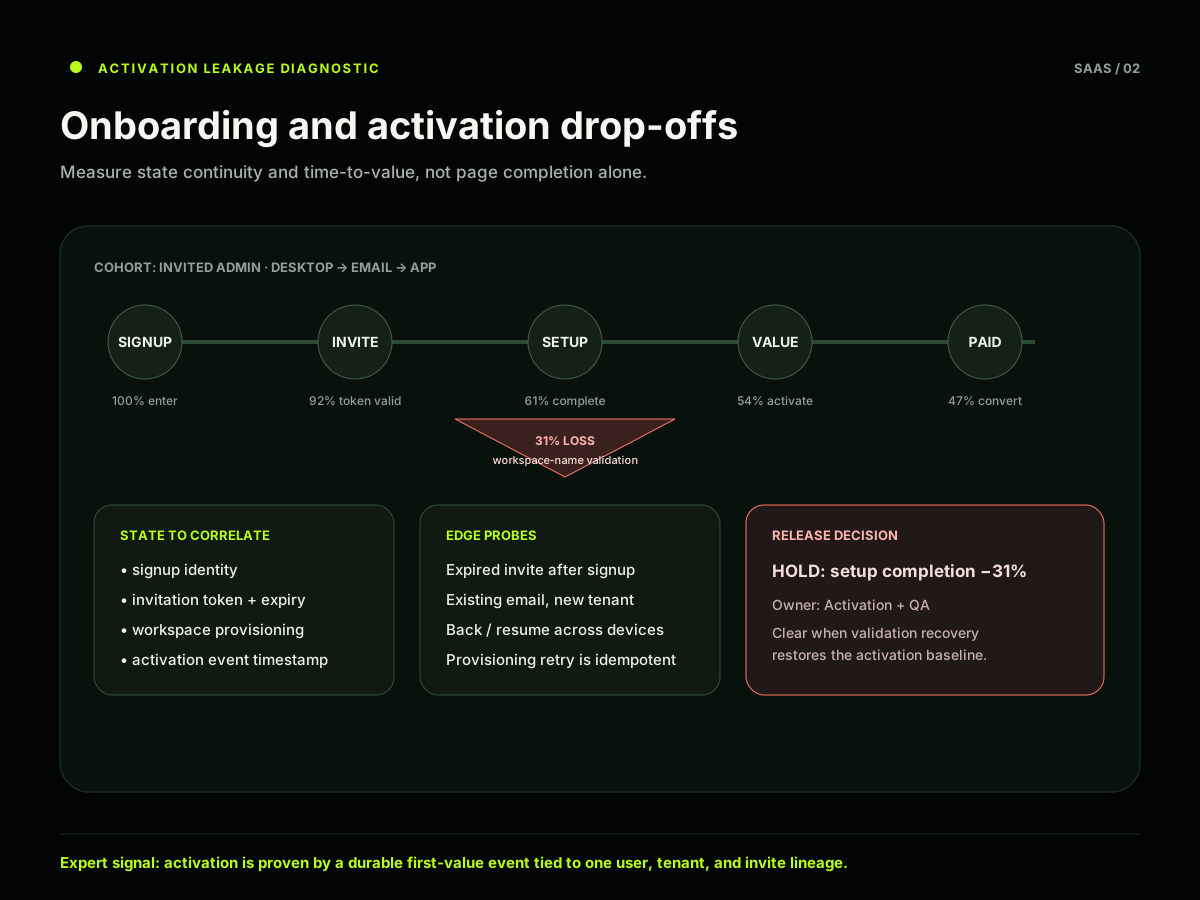
Small UX or validation defects inside signup, invite, or first-value journeys can quietly cut activation rates and paid conversion.
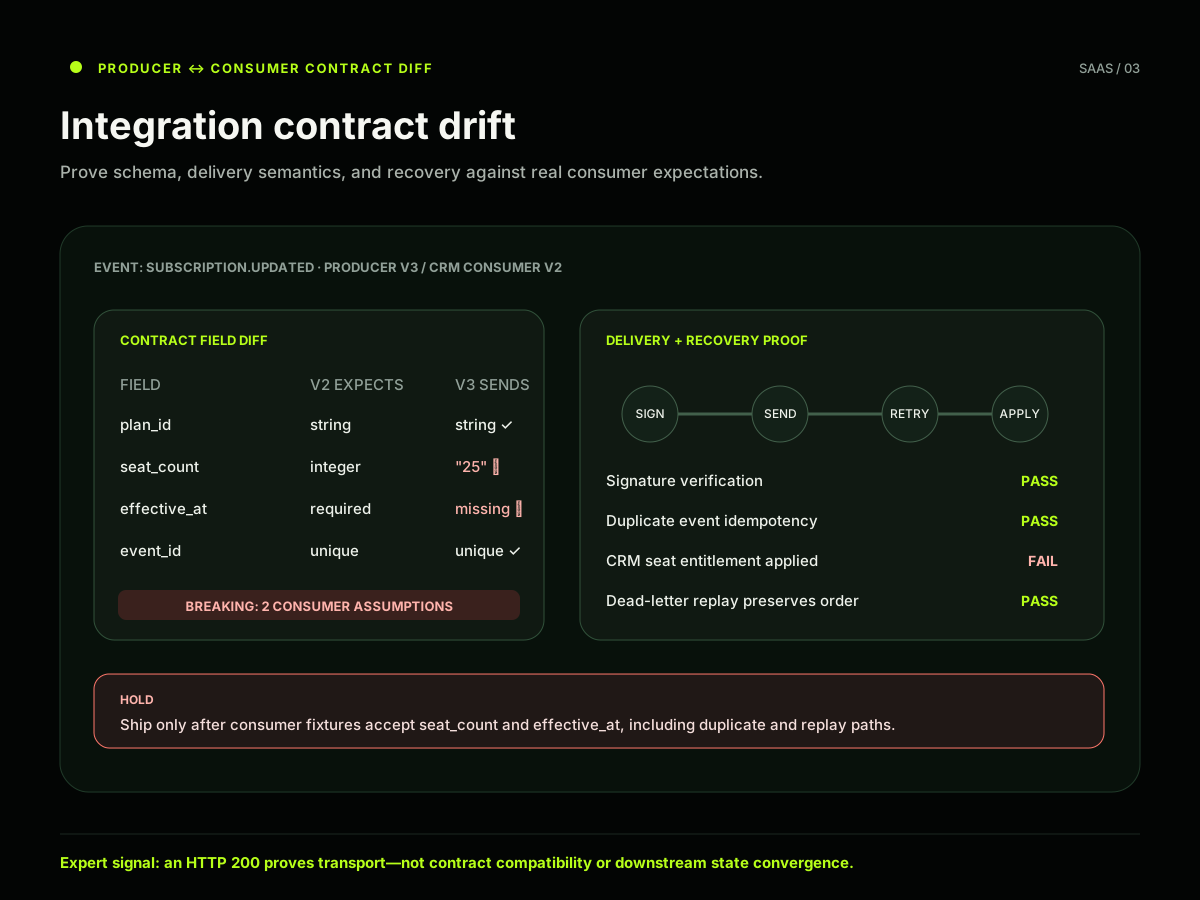
API and webhook changes across payments, CRM, auth, and analytics dependencies can degrade customer workflows without immediate visibility.
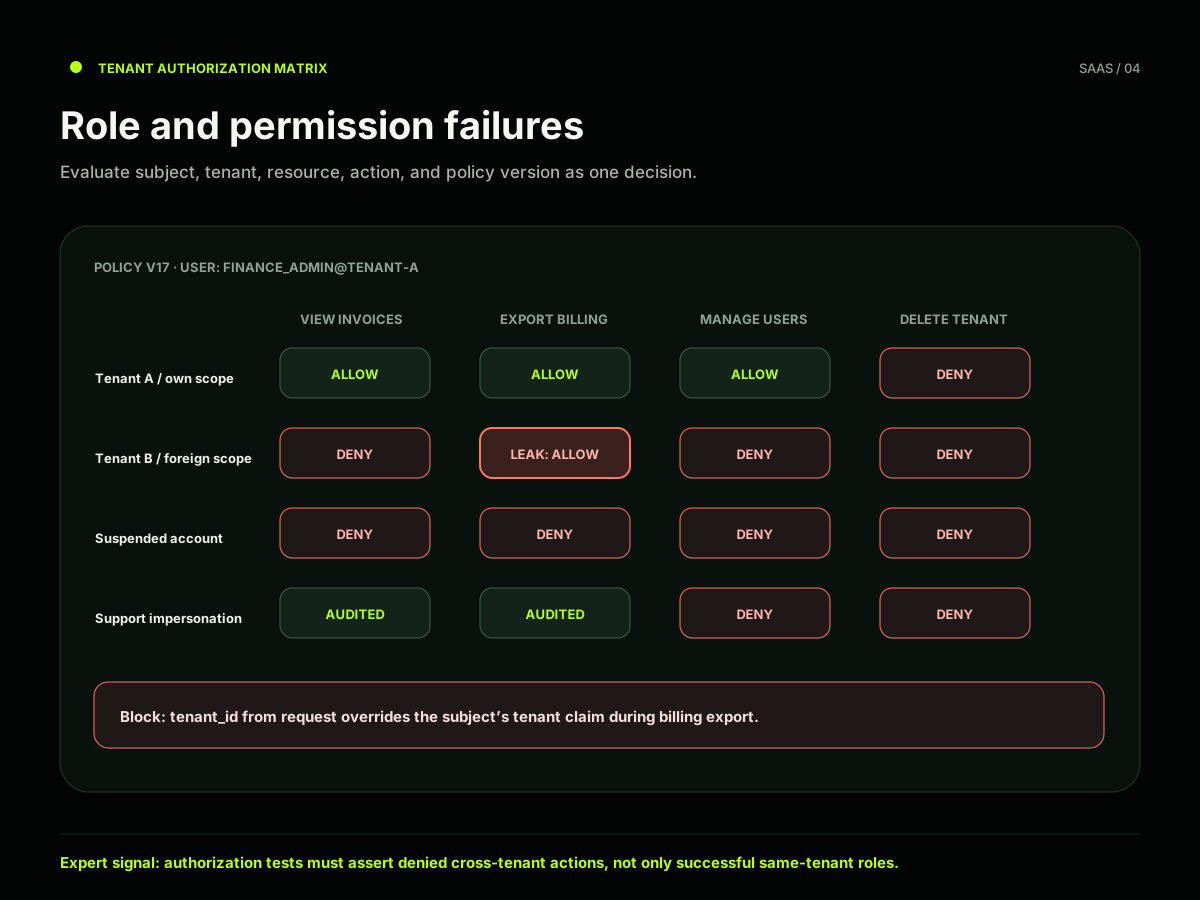
Multi-tenant role logic can expose restricted actions or block legitimate ones, creating trust and compliance risk in production accounts.
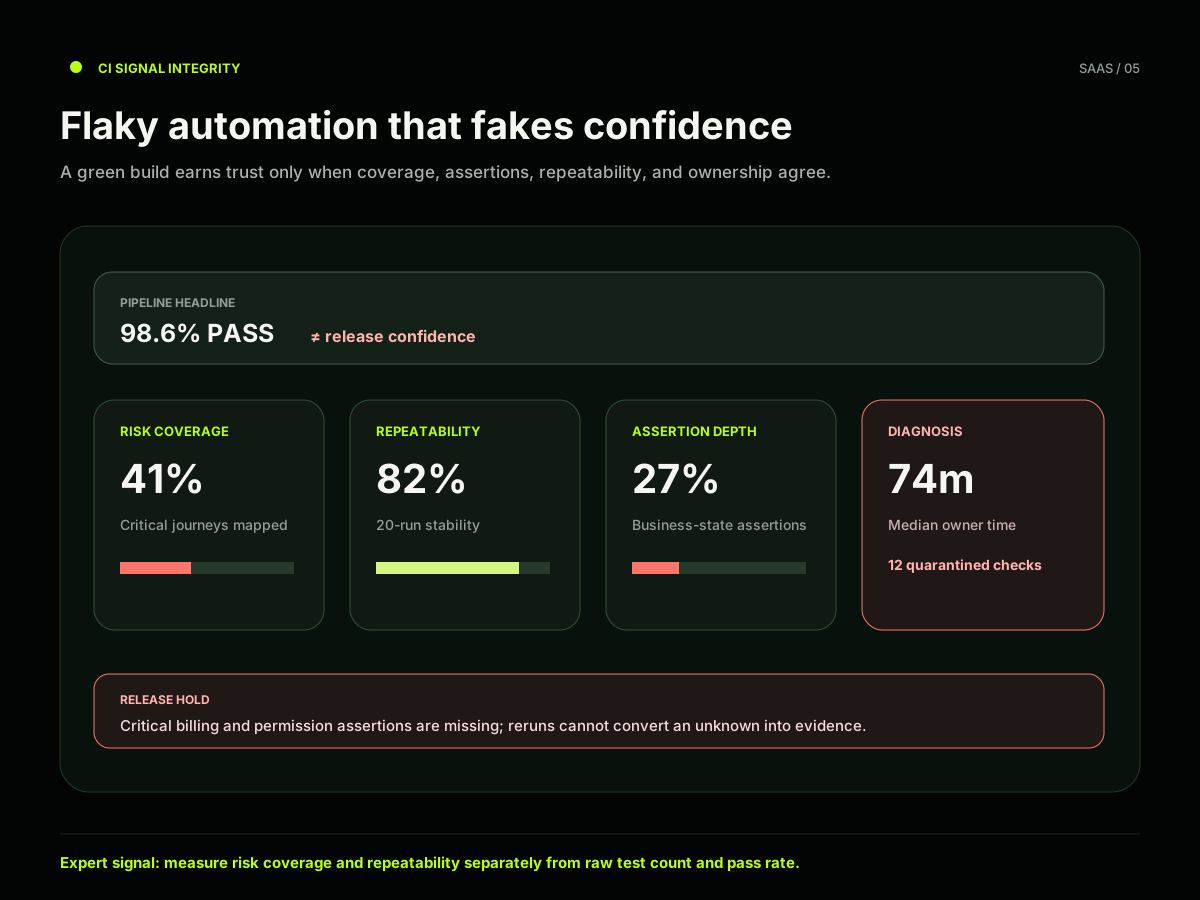
A green pipeline can still hide instability when test suites are noisy, brittle, and disconnected from critical customer journeys.
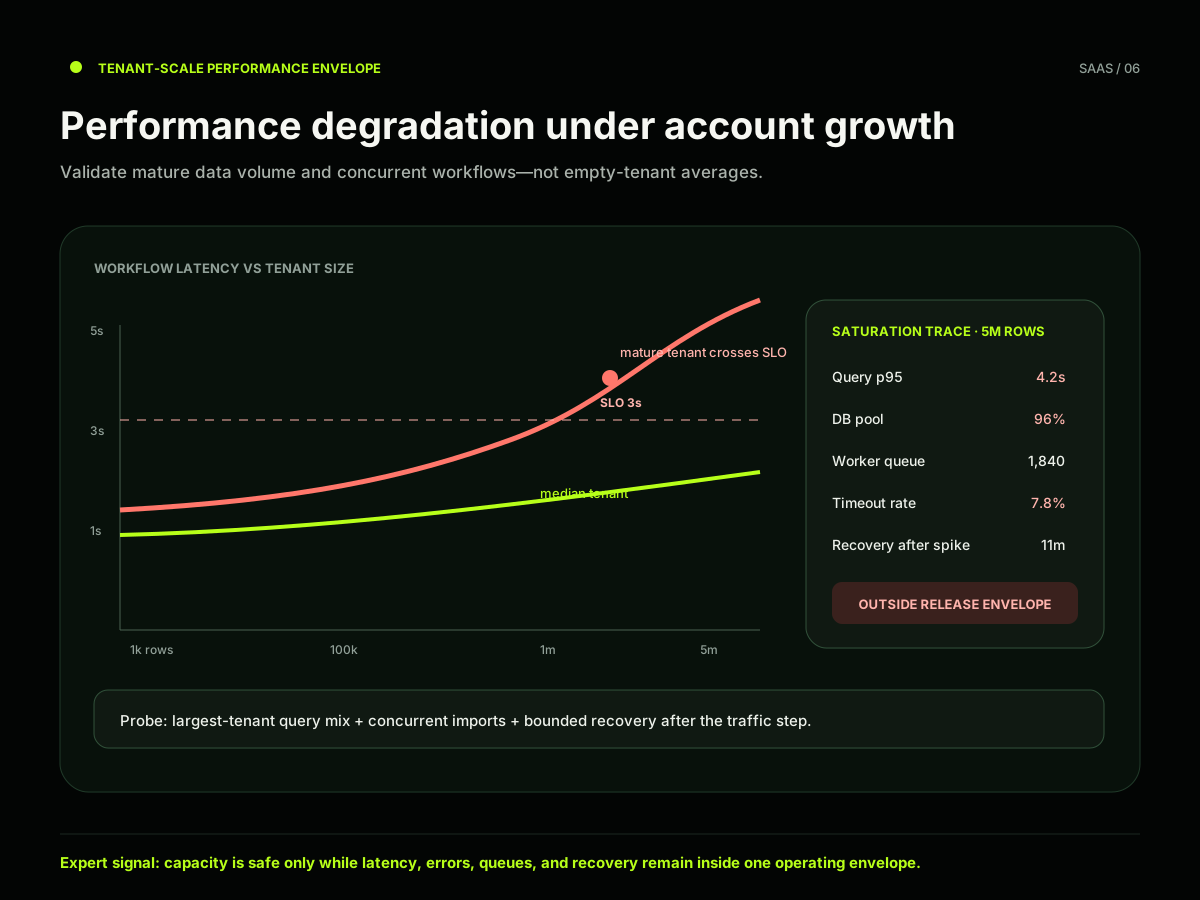
Latency and timeout issues appear as tenant size, data volume, and concurrent usage increase, even when baseline checks looked healthy.
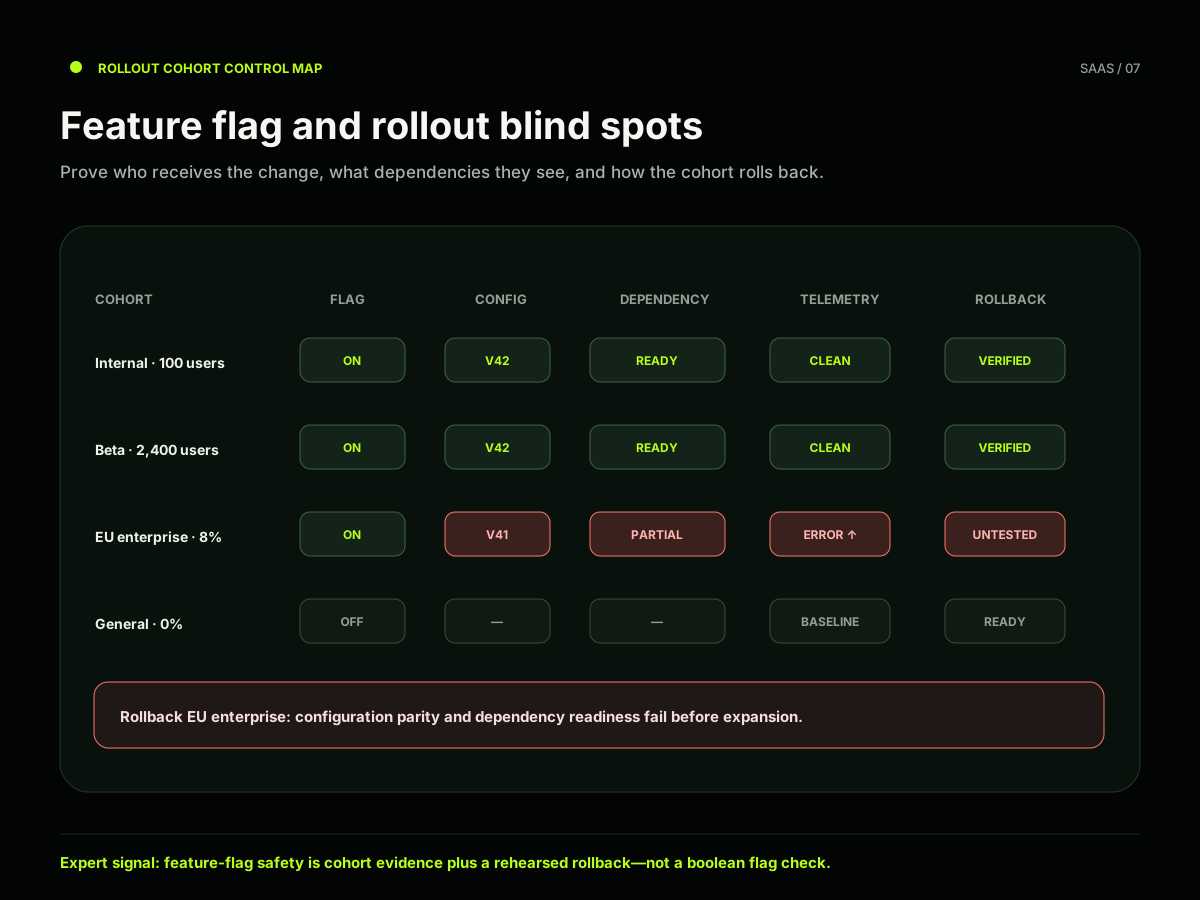
Partial rollouts can create environment-specific failures that only affect subsets of customers but still damage trust and retention.
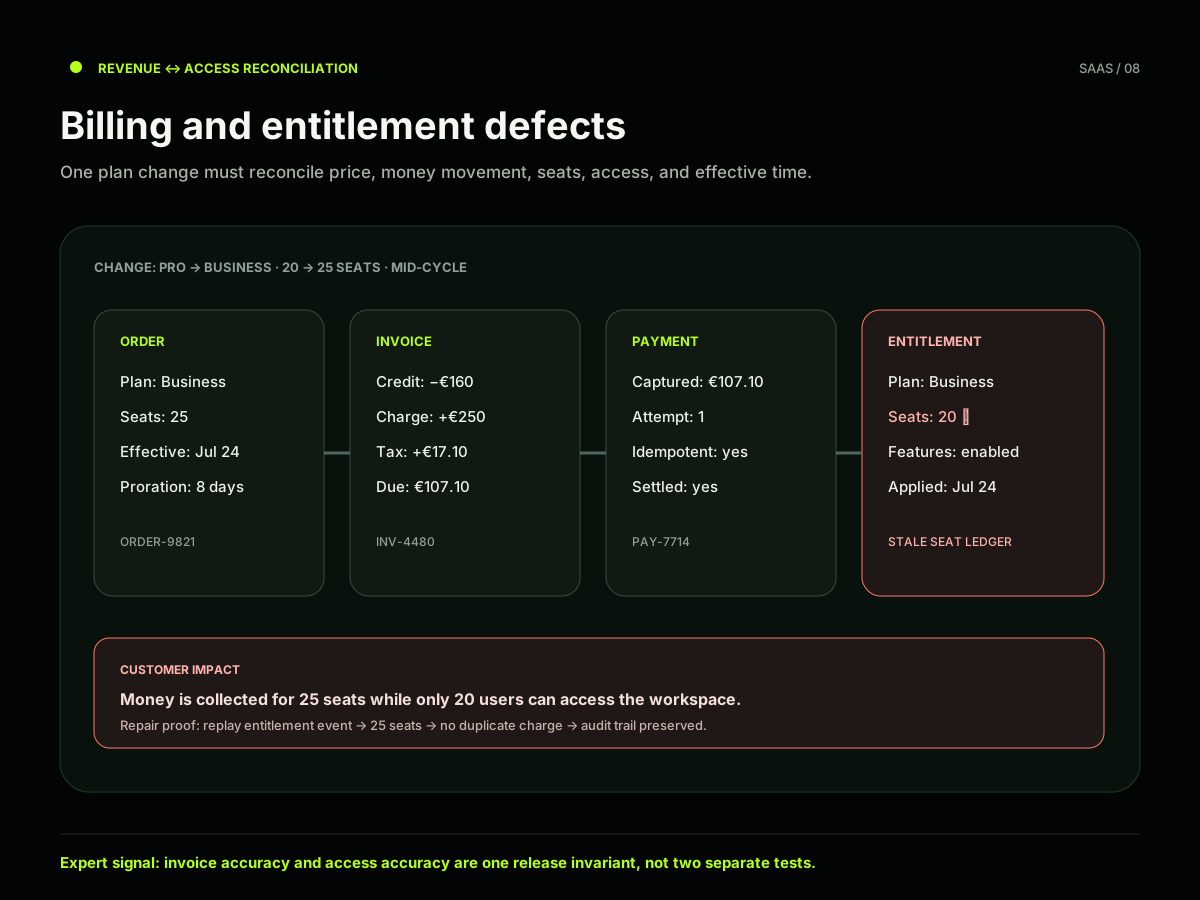
Plan upgrades, seat counts, metering, and entitlement checks can fail quietly and create revenue leakage or angry account owners.
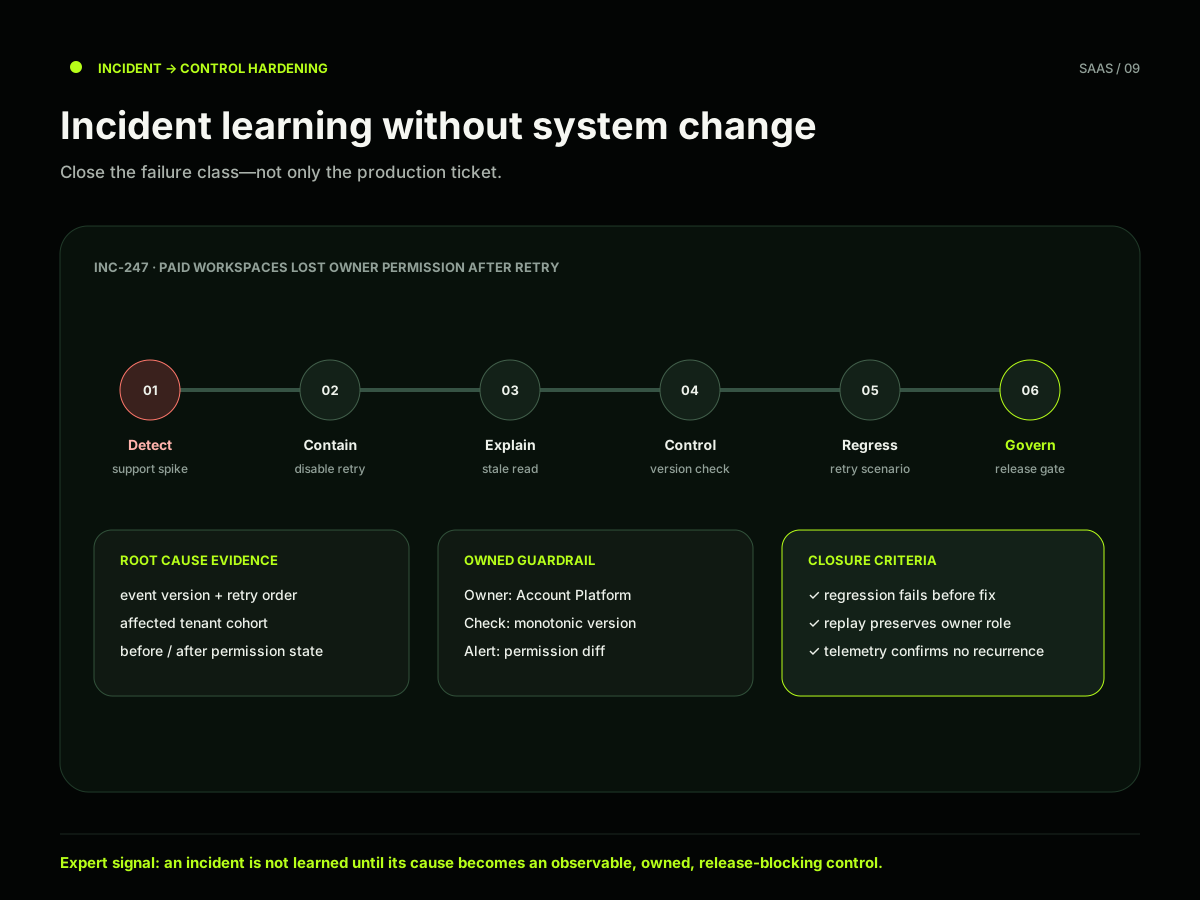
Teams solve incidents one by one, but the same failure class returns because lessons are not converted into governed regression coverage.
Manual spot-checking before launch
It can validate happy paths but misses edge states, tenant variance, and integration drift that hit real customers after deployment.
Risk-mapped coverage and governed release checks around the journeys tied to activation, retention, expansion, and trust.
Automation measured by test count
High volume with weak assertions creates noisy confidence and hides the defects that actually impact customer outcomes.
Automation measured by decision value: whether it improves ship or hold calls for critical SaaS workflows.
Tooling without operating model
Dashboards report failures, but no clear ownership or release policy converts findings into predictable product quality decisions.
AI-augmented execution with human-governed triage, ownership, and release scorecards leadership can act on quickly.
Incident response as the quality strategy
Teams get fast at fixing production issues but stay slow at preventing repeat failures across similar journeys and dependencies.
Continuous regression hardening that turns incident patterns into guardrails before they become repeat support fire drills.
Architect-led QA
A senior QA Architect shapes the system, priorities, and release signal so quality is not reduced to disconnected tickets or scripts.
AI-Augmented QA
AI helps surface scenarios, risks, and coverage ideas faster while QA experts decide what is useful, testable, and worth protecting.
Human-governed AI
AI creates leverage, but people own judgment. Every output is filtered through product context, risk, and release impact.
Critical-flow protection
Coverage starts where failure hurts most: the user journeys, integrations, data paths, and AI behaviors that decide whether a release is safe.
Release confidence
The goal is not more QA activity. The goal is clearer signal about what can ship, what needs review, and what should wait.
No vendor lock-in
Automation, maps, scenarios, and quality assets stay client-owned so your team keeps the operating system after the engagement.
Coverage starts with the flows that move revenue and trust: signup, activation, billing, permissions, integrations, and expansion paths.
AI accelerates scenario generation and analysis while senior QA removes noise, hardens checks, and governs release decisions.
Each release is evaluated against known failure classes and risk thresholds so speed increases without customer-facing surprises.
APIs, webhooks, auth providers, and downstream dependencies are tested for failure behavior, not only happy-path compatibility.
Latency budgets, spike behavior, and failover readiness become explicit release evidence instead of assumptions based on staging results.
The operating model, quality assets, and decision logic stay with your team so confidence compounds instead of resetting each quarter.
A common SaaS pattern: fast roadmap output, rising support noise, and unclear launch confidence. Then the team installs a governed QA system that scales with product velocity.
The team shipped often but could not predict release quality. Critical defects escaped into onboarding, billing, and integration workflows, creating reactive support cycles.
AQA Masters mapped top-risk customer journeys, implemented risk-based automation and integration checks, and installed human-governed release thresholds tied to business impact.
Leadership gained a client-owned release scorecard: fewer production incidents, faster go or hold calls, and stronger confidence to scale release cadence without trust erosion.
Most QA partners sell execution volume. We install a QA system your SaaS team can run and improve: AI-augmented delivery, architect-led governance, and client-owned confidence assets.
Coverage is prioritized around activation, retention, expansion, and trust-sensitive journeys, not generic test activity.
We start from your current product workflows, CI, automation, APIs, and backlog so value appears without forced process replacement.
Signup, billing, permissions, integrations, and account-critical workflows get explicit release protection before lower-impact areas.
AI increases speed. Senior QA governance protects against noisy tests, weak assertions, and false confidence in release decisions.
You keep the test assets, risk maps, quality playbooks, and release decision framework. No lock-in dependency to maintain control.
We surface top SaaS quality risks quickly and deliver a practical release-risk view your team can use in upcoming planning and deployment cycles.
Straight answers on speed, ownership, integrations, automation quality, and what meaningful release confidence should look like.
Manual checks can catch obvious issues, but they do not scale with SaaS velocity. We install a governed system combining automation, integration validation, and human judgment so confidence compounds each release.
Yes. We integrate with your existing team, workflows, and tools. The goal is not replacement. The goal is upgrading your release decision quality inside your current operating reality.
No. Properly implemented QA signal speeds decisions by reducing uncertainty and rework. Teams ship with fewer rollback debates because risk is clearer before deployment.
Yes. We stabilize what matters first: critical journeys and high-cost failure paths. Most teams get better signal by refactoring priorities and guardrails, not by rewriting the entire suite.
Yes. We explicitly test API contracts, webhook behavior, permission paths, and downstream dependency failures so integration risk is visible before customer impact.
You get a risk map of your most important SaaS journeys, the largest confidence gaps in current coverage, and a first release-evidence view to guide immediate shipping decisions.
Yes. Your team keeps the assets, logic, and release framework. We build client-owned QA systems that keep compounding after the engagement ends.