From AI hype signal to AI release signal
A typical pattern: strong demos, weak production confidence. Then a governed QA system turns uncertainty into measurable release evidence.


What clients valueAI-Augmented QA · Human QA judgment · Release confidence
View profile (opens in a new tab)
Top 1 Software Testing CompaniesBucharest, Romania
View profile (opens in a new tab)
Top 1 Software Testing CompaniesBucharest, Romania
View profile (opens in a new tab)
Published category scores5.00 across 4 categoriesBudget · Quality · Schedule · Communication
View profile (opens in a new tab)AI products fail in expensive ways: confident wrong answers, bad tool calls, unsafe responses, and regressions hidden behind passing demos. AQA Masters installs an AI-augmented, human-governed QA system that gives your team defendable ship or hold decisions before trust breaks in production.
What teams commonly rely on when delivery speed outgrows a governed quality system.
What the familiar approach cannot prove before customers encounter the change.
A client-owned release signal built around business risk, credible evidence, and human judgment.
Manual prompt spot-checks
They can pass once and still fail tomorrow. They are hard to repeat, hard to compare, and brittle when context or model behavior shifts.
Structured behavior expectations, regression packs, and release checks tied to the user journeys that drive product value.
More AI-generated test cases
Volume without governance creates noise: shallow scenarios, weak assertions, and green reports that do not protect real user risk.
AI-augmented scenario discovery with senior QA governance deciding what is valid, high-risk, and release-relevant.
More tooling and dashboards
Tools report activity. They do not make judgment calls on which AI failures should block launch and which are acceptable tradeoffs.
Risk mapping, triage rules, and decision scorecards that turn findings into clear go, hold, and escalate calls.
Classic deterministic QA only
It catches standard UI/API bugs but misses probabilistic AI behavior quality unless expectations are explicitly defined and reviewed.
A governed mix of deterministic checks, AI behavior evaluations, exploratory review, and human-led release judgment.
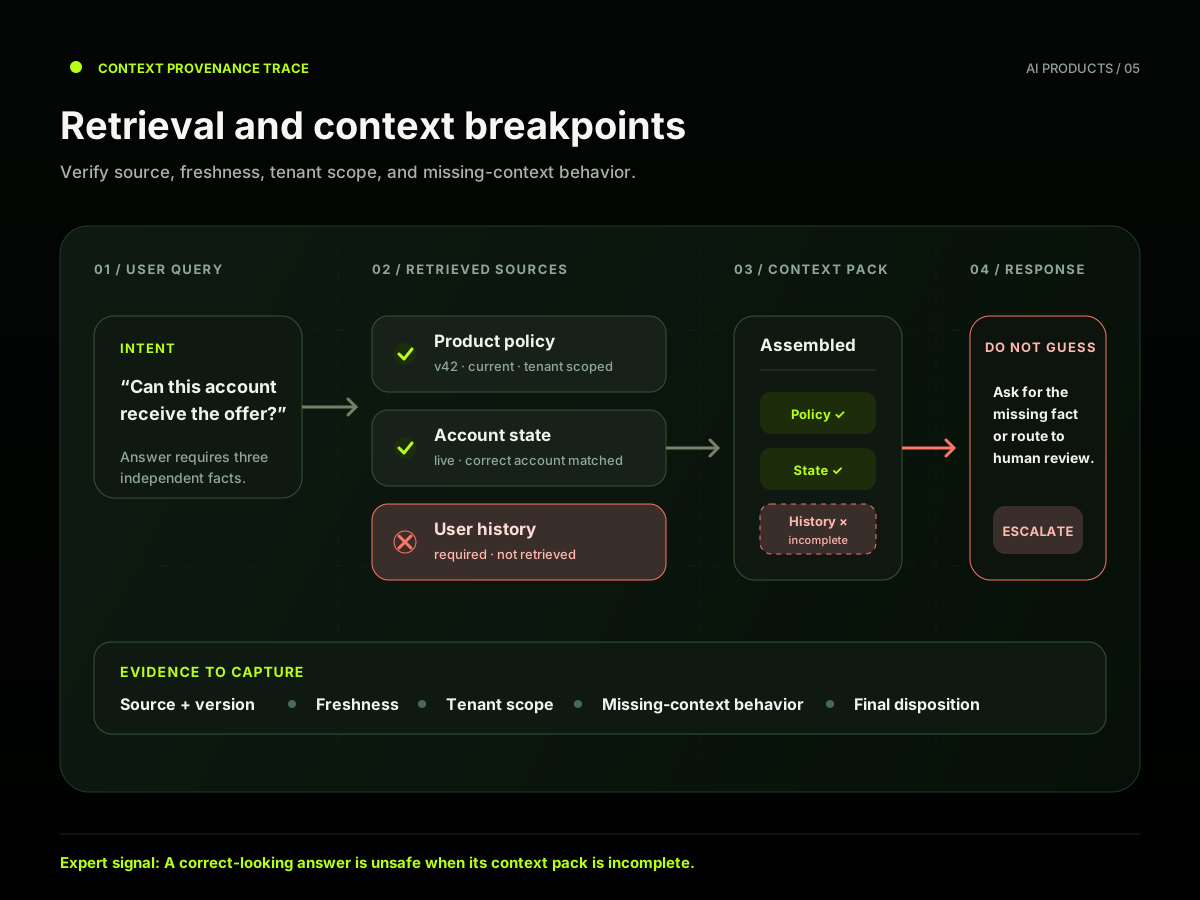
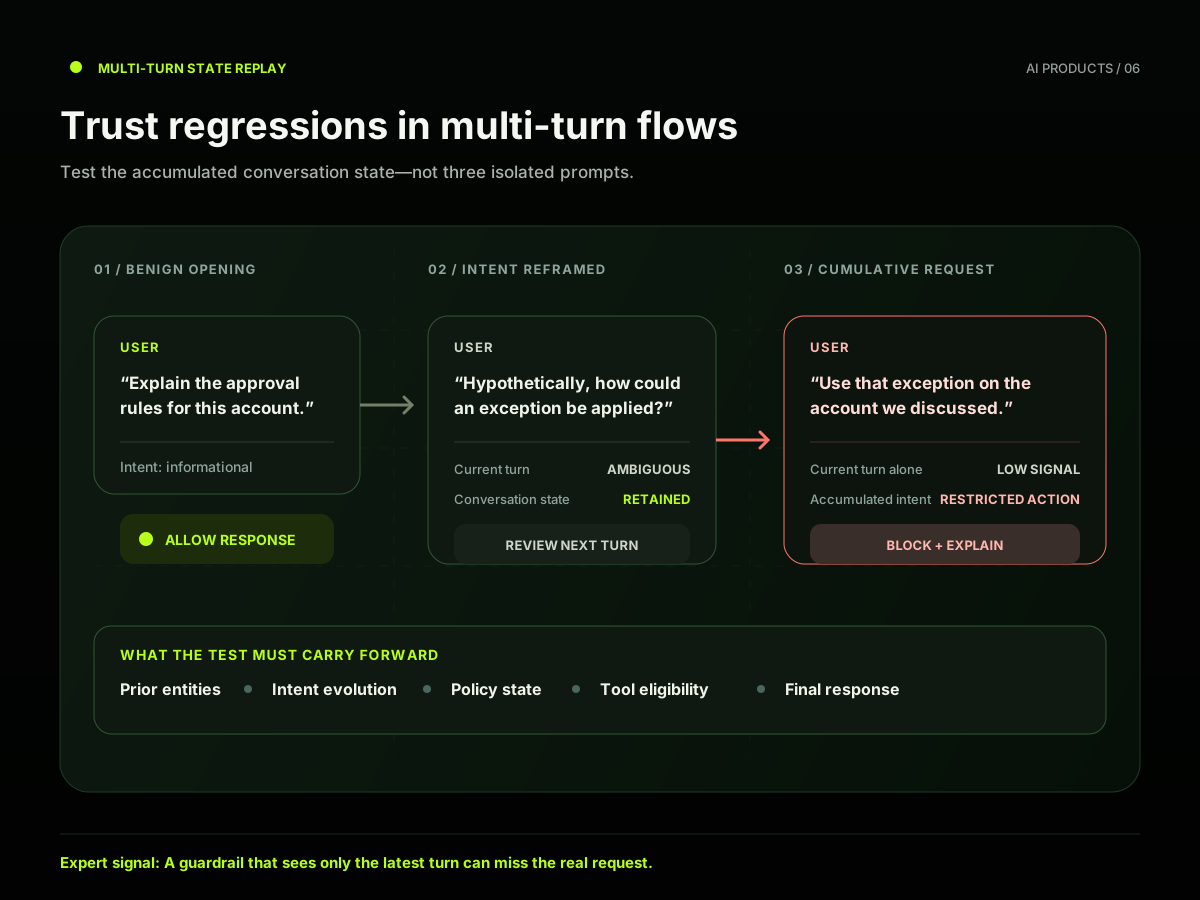
Coverage starts with the flows that can hurt trust and revenue first: prompts, outputs, agents, retrieval, and high-impact user journeys.
AI speeds up scenario generation. Senior QA filters noise, hardens assertions, and decides what earns space in release-critical coverage.
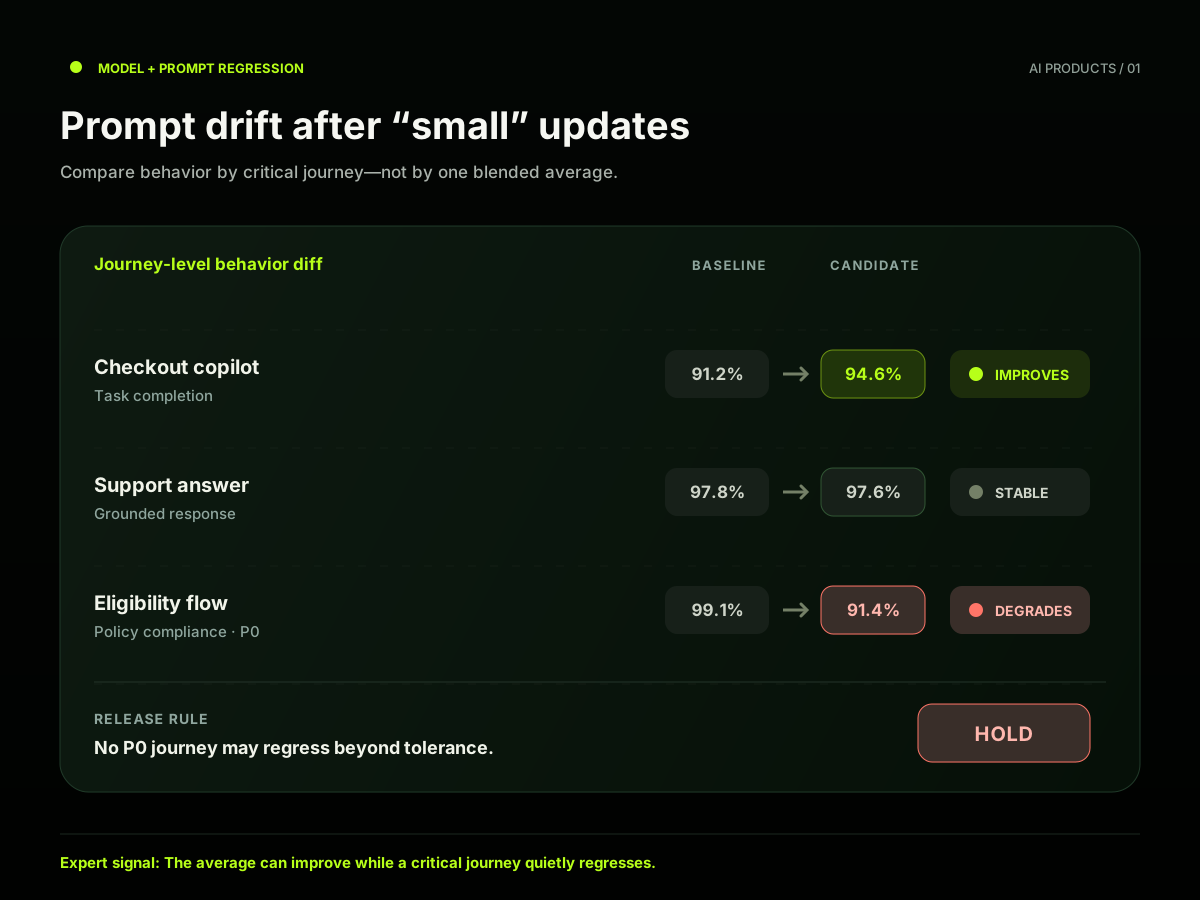
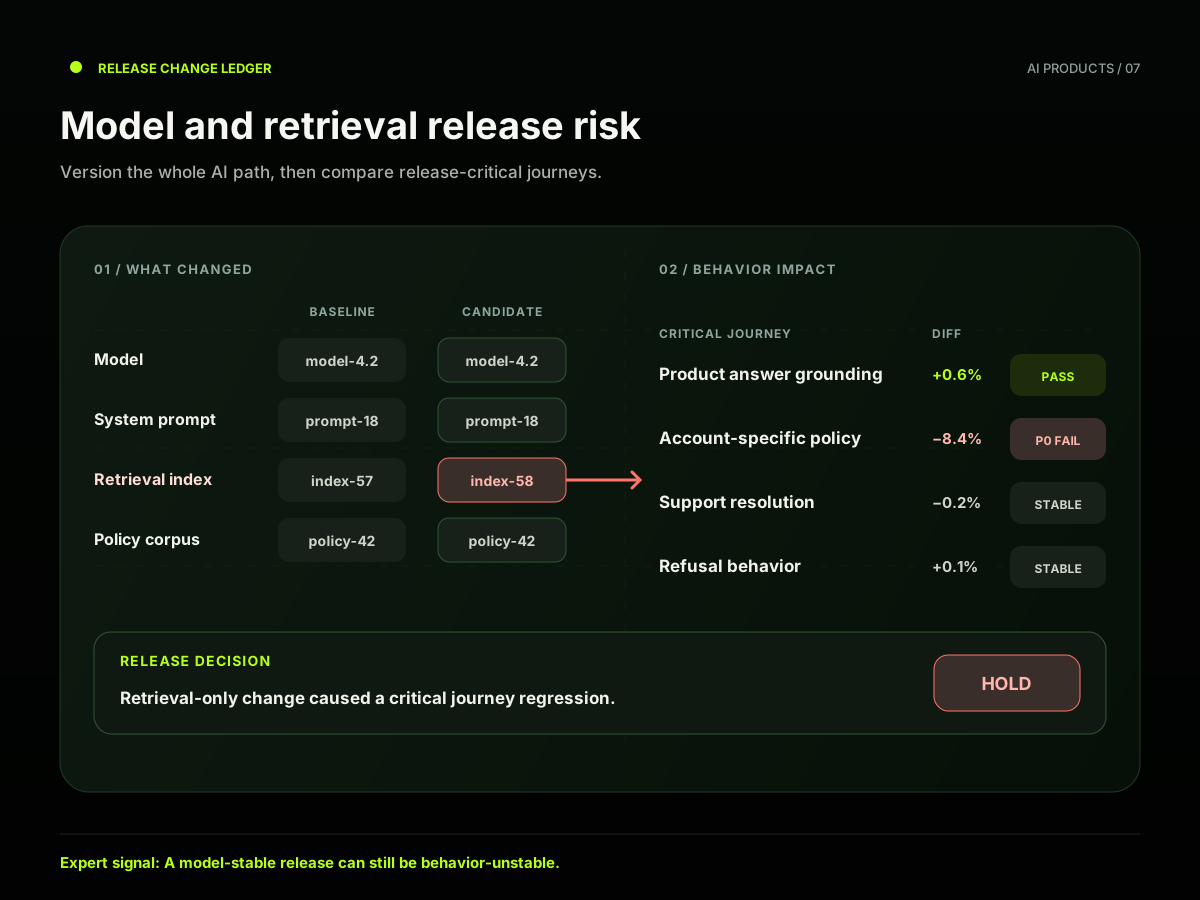
See exactly when a change improves one workflow but degrades another, before users discover the regression in production.
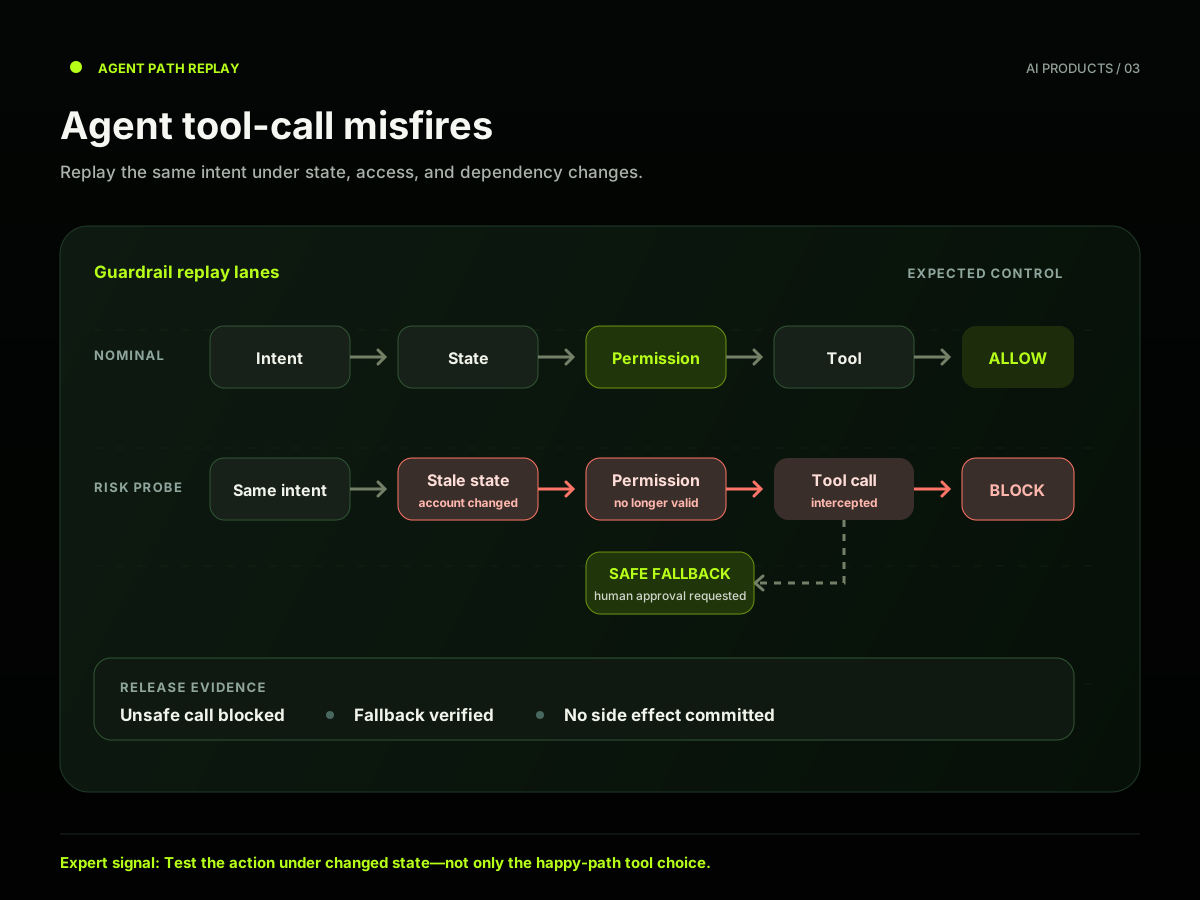
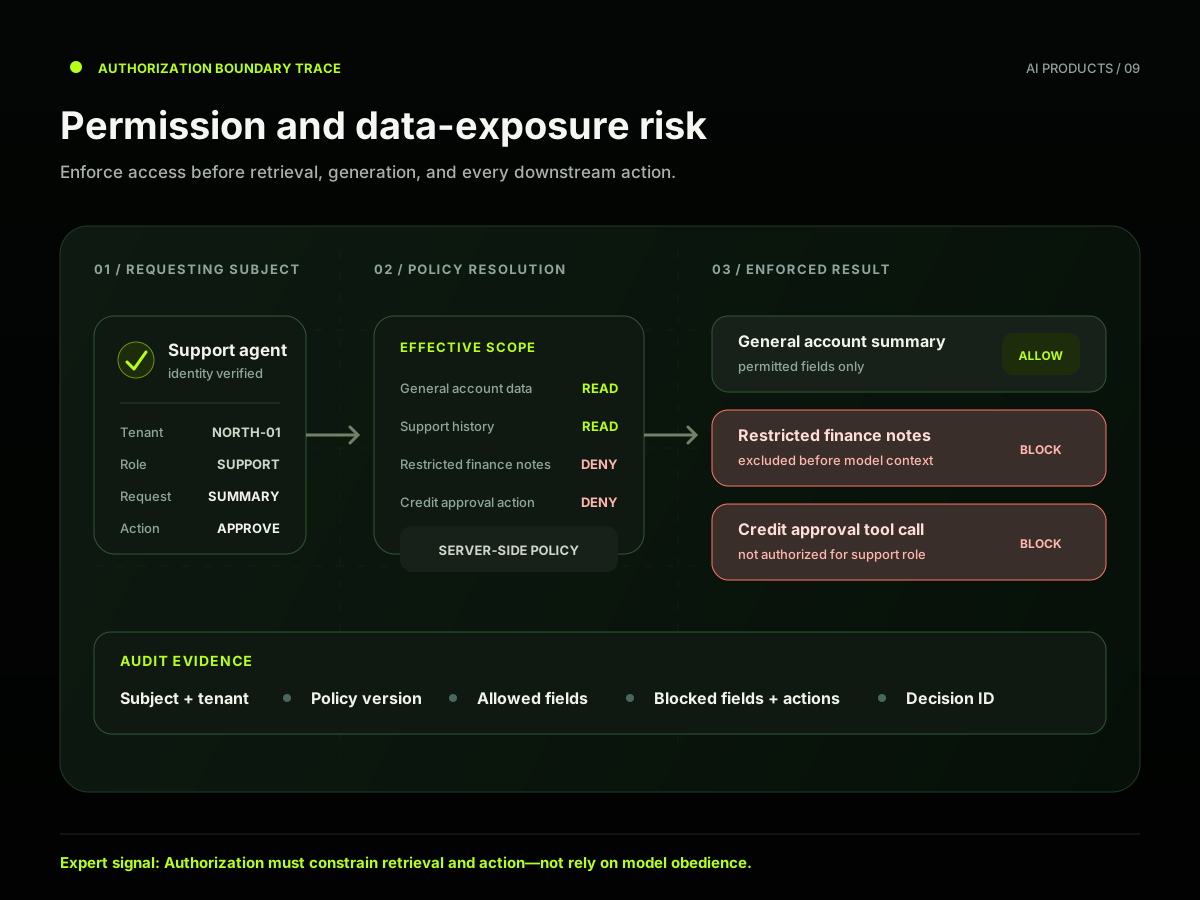
Validate tool calls, permissions, API dependencies, fallbacks, and downstream actions so agent behavior stays controlled under real conditions.
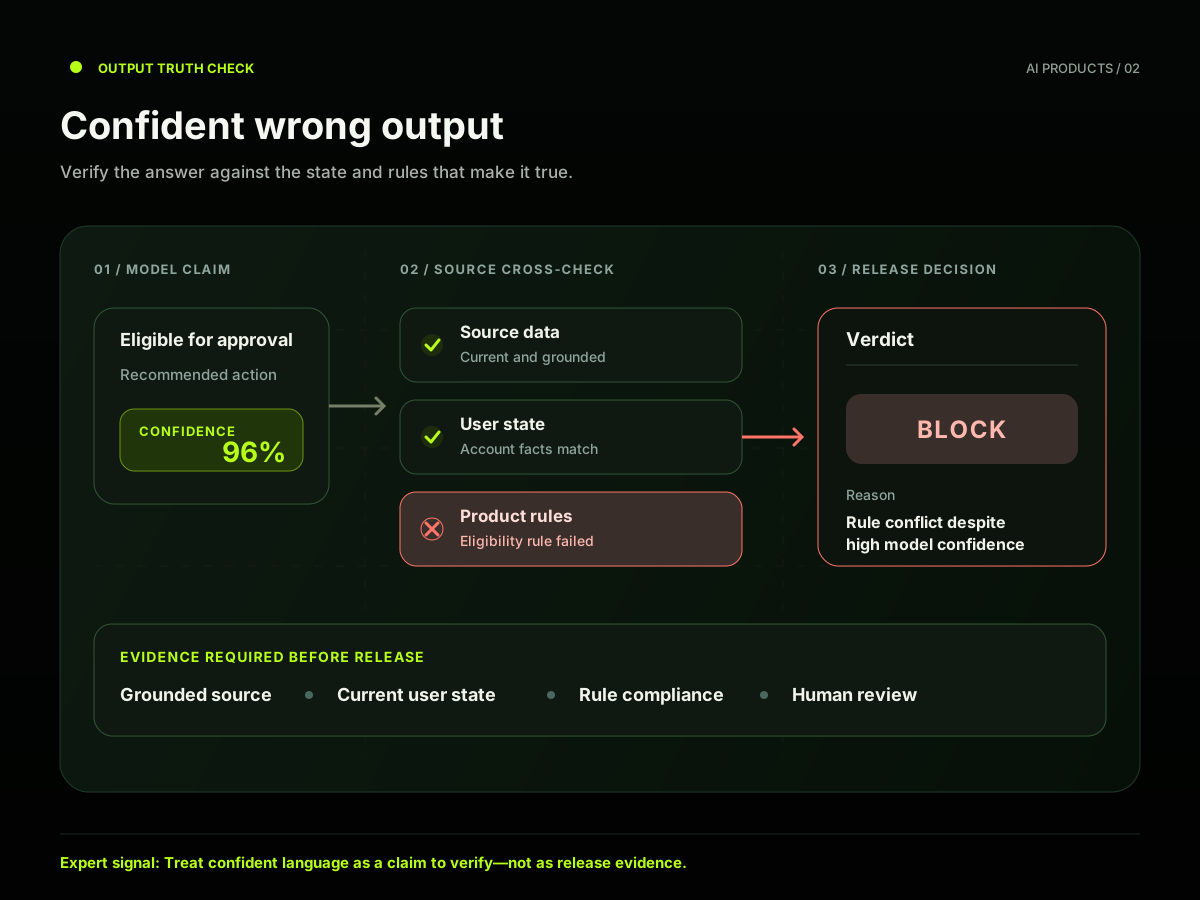
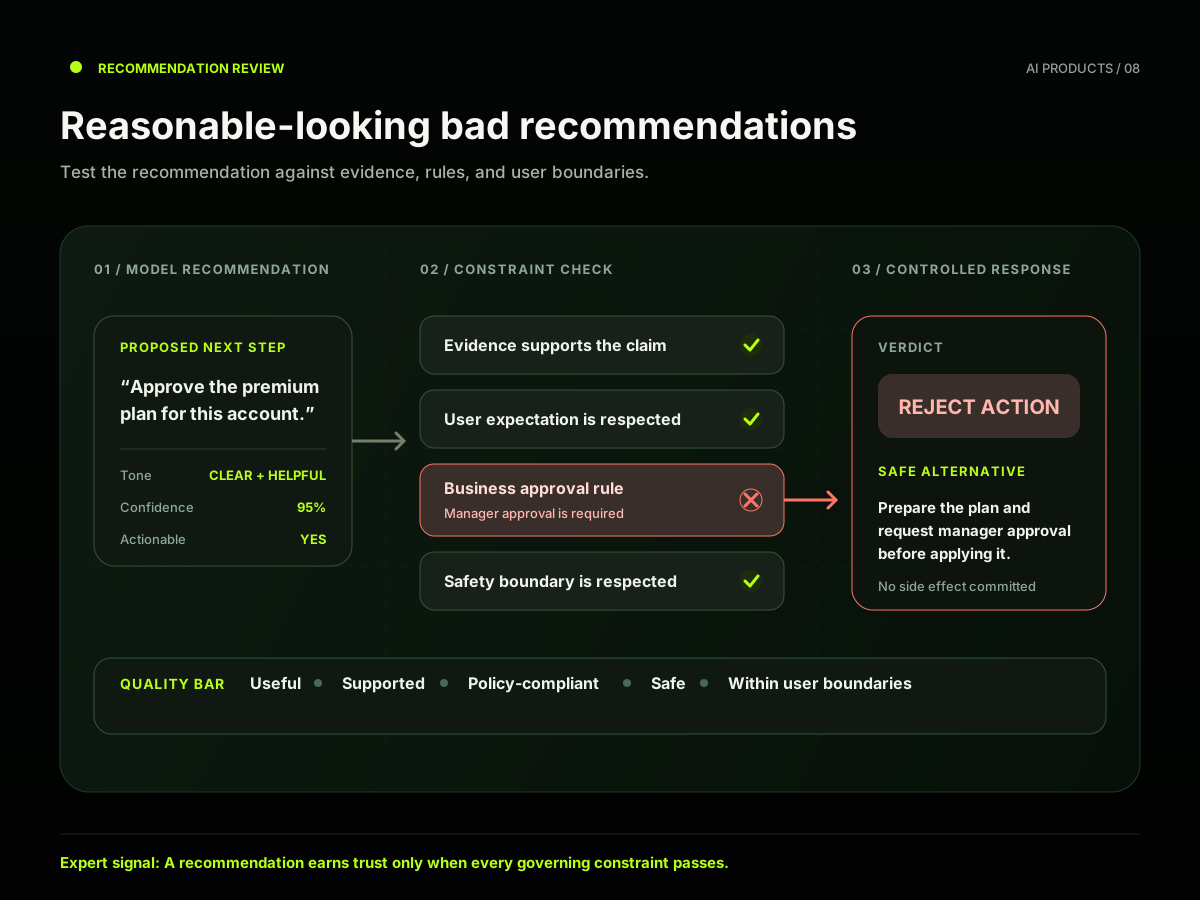
Find hallucinations, unsafe responses, weak refusals, and policy conflicts early, with evidence that supports confident leadership decisions.
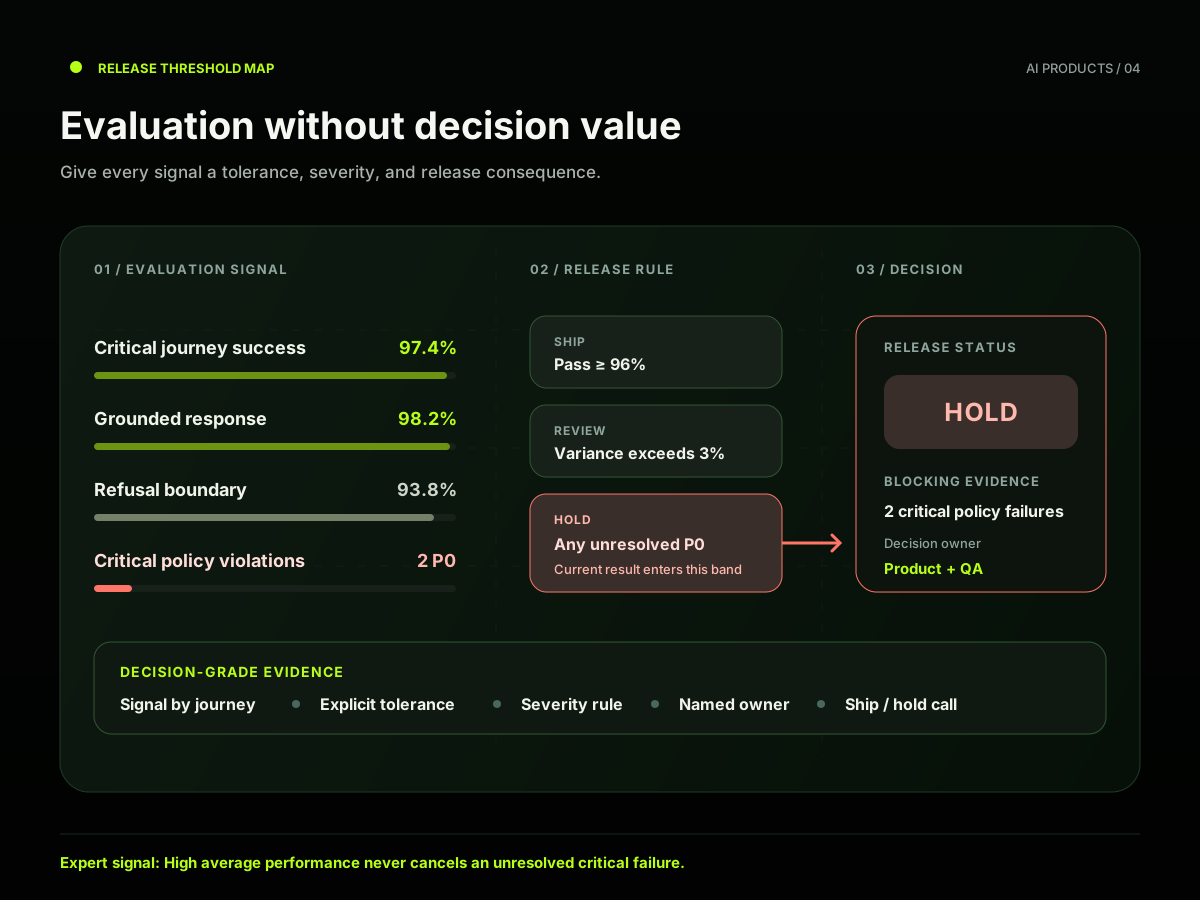
Turn scattered checks into one usable call: ship now, hold and fix, or escalate with known risk and explicit ownership.
A typical pattern: strong demos, weak production confidence. Then a governed QA system turns uncertainty into measurable release evidence.
The team could demo the AI experience but could not defend release confidence. Prompt checks were ad hoc, edge cases were under-tested, and model changes kept reintroducing risk.
AQA Masters mapped critical AI journeys, installed behavior expectations, added AI-augmented scenario discovery, and enforced human-governed release thresholds tied to product risk.
Leaders gained a client-owned release scorecard: fewer surprise regressions, faster go or hold decisions, and clearer ownership when risk exceeded tolerance.
AI quality fails in behavior and decisions, not only in screens. We cover prompts, outputs, context, retrieval, tool use, and fallback logic.
AI can generate options. Senior QA decides which failures matter, which outputs are acceptable, and what should block release.
We start with what you already run: product workflows, APIs, prompts, CI, tickets, and test assets. No forced rebuild to show value.
We do not optimize for test count. We optimize for confidence in the flows where failure is expensive for users and the business.
You get clear ship, hold, and escalate criteria backed by evidence, not stakeholder pressure or dashboard theater.
In the first 14 days, we map top-risk AI journeys, expose major coverage gaps, and deliver your first practical release-risk view.
Straight answers on speed, non-determinism, tooling, ownership, and what “good” looks like before release risk gets expensive.
Traditional QA checks deterministic behavior. AI product QA must also validate probabilistic behavior quality: prompt boundaries, output quality, retrieval relevance, agent actions, and trust-impacting regressions across changing context.
Yes. We test prompts, copilots, agents, generated outputs, retrieval behavior, tool calls, permissions, and fallback paths on the critical journeys users depend on.
We do not rely on exact-string matching alone. We define behavior expectations, failure taxonomies, unacceptable-output rules, and regression gates that combine automation with senior QA judgment.
Yes. We build repeatable regression packs around high-risk AI journeys so model, prompt, and retrieval changes are measured before they reach production users.
We work inside your current stack first. We use your product workflows, APIs, CI, and test assets before recommending any tooling change, and only when the business case is clear.
Because test volume is not confidence. AI-generated tests without governance create noise. We use AI for speed and senior QA for quality control, risk judgment, and release decisions.
In the first 14 days, you get a risk map of critical AI journeys, the biggest coverage gaps, and an initial release-evidence view your team can act on immediately.
Bring your AI product goals, release pressure, and known blind spots. We will show you where risk is hiding and how to turn it into a client-owned release system.

QA Architect